


If gut health labels have started sounding like a biology quiz, you are not imagining it. The phrase prebiotics probiotics and postbiotics definition keeps showing up because the microbiome conversation has moved beyond basic probiotics. And honestly, that is a good thing. Your gut is not powered by one magic ingredient. It is an ecosystem, and ecosystems work better when you support the whole system.
That is where these three terms matter. Prebiotics feed beneficial microbes. Probiotics are the live microorganisms themselves. Postbiotics are the beneficial compounds those microbes produce, plus certain inactivated microbial components that can still help the body. They are connected, but they are not interchangeable.
Prebiotics, probiotics, and postbiotics definition
Let’s make this simple without making it shallow.
Prebiotics are types of compounds, usually specialized fibers or plant-based substances, that beneficial gut bacteria use as fuel. Think of them as microbial food. They help the right bacteria grow and stay active, which can influence digestion, regularity, and even how efficiently your gut ecosystem functions.
Probiotics are live microorganisms that, when consumed in adequate amounts, may provide a health benefit. Most people know them as the good bacteria in fermented foods and supplements. Different strains do different jobs, so probiotics are not one single thing. One strain may be studied for digestion, another for immune support, and another for occasional bloating or bowel regularity.
Postbiotics are the bioactive compounds created when beneficial microbes break down nutrients and do their work. These can include short-chain fatty acids, enzymes, peptides, and cell wall fragments. In some scientific and commercial settings, the term also includes non-living microbial preparations that still have beneficial effects. That means postbiotics are not about adding more live bacteria. They are about the useful outcomes and signals produced by microbes.
Why the difference matters
Here is the part most wellness content skips. These are not competing categories. They work at different stages of the same gut health story.
Prebiotics help nourish the beneficial bacteria already in your gut. Probiotics can help introduce specific live strains. Postbiotics are part of what those bacteria make or leave behind after interacting with your digestive environment. If probiotics are the workers, prebiotics are the lunch break, and postbiotics are the finished product.
That difference matters because people often expect probiotics alone to do everything. But if your diet is low in fiber, your beneficial bacteria may not get the support they need. And if your gut is sensitive, some people tolerate postbiotic support better than high-dose live probiotics. It depends on the person, the strain, the dose, and what outcome you are actually looking for.
What prebiotics do in the body
Prebiotics help shape the microbiome by selectively feeding beneficial organisms. That can lead to better production of compounds that support the gut lining, stool quality, digestive comfort, and broader metabolic balance.
This is one reason fiber gets so much attention in gut health science. Certain fibers are not just roughage. They are functional inputs for your microbes. When those microbes ferment prebiotic compounds, they can produce short-chain fatty acids such as butyrate, acetate, and propionate. Those compounds are a big deal because they help support the gut barrier and influence immune and metabolic signaling.
Not every fiber is a prebiotic, and not every prebiotic works the same way. Some are gentler, while others may cause gas or bloating if you increase them too fast. More is not always better. Your gut usually prefers consistency over extremes.
What probiotics do in the body
Probiotics get most of the spotlight, but they are more nuanced than the marketing usually suggests. A probiotic is not helpful just because it is alive. It needs to be a studied strain, delivered in a meaningful amount, and able to survive the journey well enough to do something useful.
Depending on the strain, probiotics may help support digestive balance, bowel regularity, immune function, and the body’s response to occasional GI discomfort. Some strains have also been studied for effects related to mood and stress. That is not random. A major share of immune activity is tied to the gut, and the gut-brain axis is very real.
Still, probiotics are not one-size-fits-all. A formula that helps one person feel less bloated may not be the best match for someone focused on regularity or occasional digestive disruption after travel or antibiotics. Strain specificity matters more than buzzwords.
What postbiotics do in the body
Postbiotics are getting more attention because they represent the functional output of a healthy microbiome. Instead of asking only, what bacteria are present, postbiotics push the conversation toward, what are those bacteria producing and signaling?
Some postbiotics help support the gut barrier. Some influence immune response. Some may play a role in inflammatory balance or metabolic signaling. Because they are not live organisms, they can also offer formulation advantages. They may be more stable than delicate live probiotics and easier to use in delivery formats that consumers actually want to take consistently.
That does not mean postbiotics replace probiotics every time. It means they add another layer of precision. In a modern gut health routine, that matters.
Prebiotics probiotics and postbiotics definition in real life
Here is the practical version. If you eat yogurt with live cultures, you may be getting probiotics. If you also eat foods rich in certain fibers, like chicory root, onions, garlic, bananas, or oats, you may be supporting prebiotic intake. If your gut bacteria then ferment those compounds and create beneficial metabolites, that is where postbiotics enter the picture.
This is why tribiotic thinking makes sense. Real gut support is not just about dropping in bacteria and hoping for the best. It is about feeding the system, supporting the system, and benefiting from what the system produces.
For busy adults, that is more than a science lesson. It is a compliance lesson. If your gut routine is too complicated, you probably will not stick with it. A simplified approach that includes multiple layers of support can make more sense than a scattered supplement drawer filled with half-used bottles.
Which one is best?
The honest answer is that best depends on your goal.
If your diet is low in plant diversity and fiber, prebiotic support may be a smart place to focus. If you want targeted support from specific studied strains, probiotics may be the priority. If you want beneficial microbial compounds with added stability and without relying only on live cultures, postbiotics become very interesting.
And for many people, the better question is not which one wins. It is whether your routine is doing enough to support the microbiome from more than one angle.
That is why full-spectrum formulas are gaining traction. A tribiotic approach can be more aligned with how the gut actually works. The Gut Gummy™ is built around that idea: support the beneficial bacteria, include live strain support, and deliver postbiotic benefits in one easier daily habit.
What to look for in a gut health formula
A smart formula should do more than throw trendy terms on a label. Look for clinically studied ingredients, clear strain information where probiotics are involved, and a delivery format you will actually take every day.
Also pay attention to how you feel. Some people respond quickly with improvements in regularity or less digestive drama. Others notice changes more gradually, especially if the bigger issue is a low-fiber diet, high stress, inconsistent sleep, or frequent ultra-processed meals. Gut health is powerful, but it does not exist in a vacuum.
That is the bigger point behind understanding these definitions. Prebiotics, probiotics, and postbiotics are not just marketing vocabulary. They describe different tools that can support the gut ecosystem, and by extension, digestion, immune resilience, mood-related wellness, and metabolic health.
The microbiome era is moving past simple. That is not a downside. It means we finally have better language for what your gut has needed all along: not one hero ingredient, but a smarter system of support. Start there, stay consistent, and let your daily routine work with your biology instead of against it.

By GG – your glam guide to gut health, dishing the microbiome gossip straight from the Upper Intestine
🗽✨
Read more
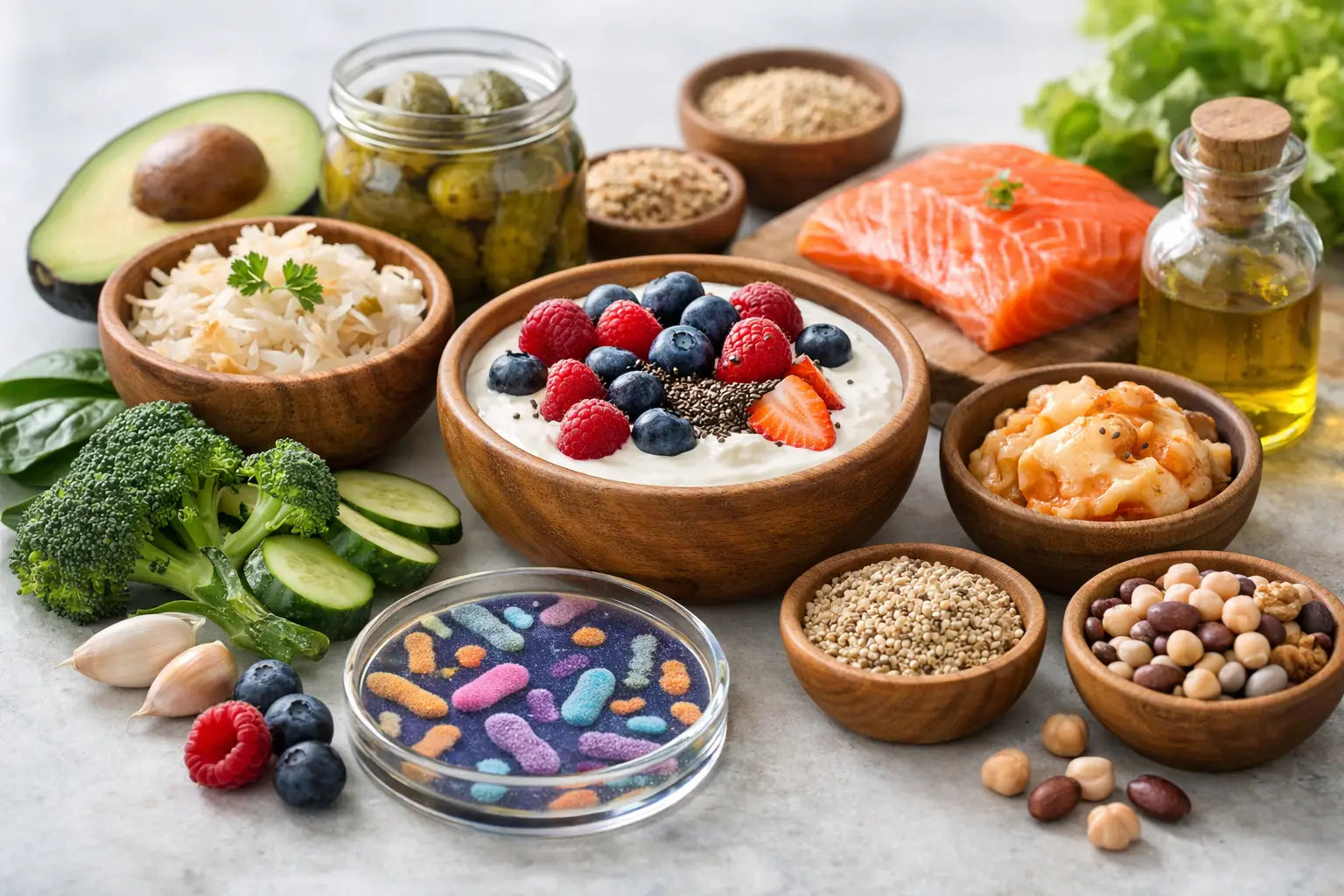
Wondering what foods are good for the gut microbiome? Learn which fiber-rich, fermented, and plant foods help support digestion and balance.
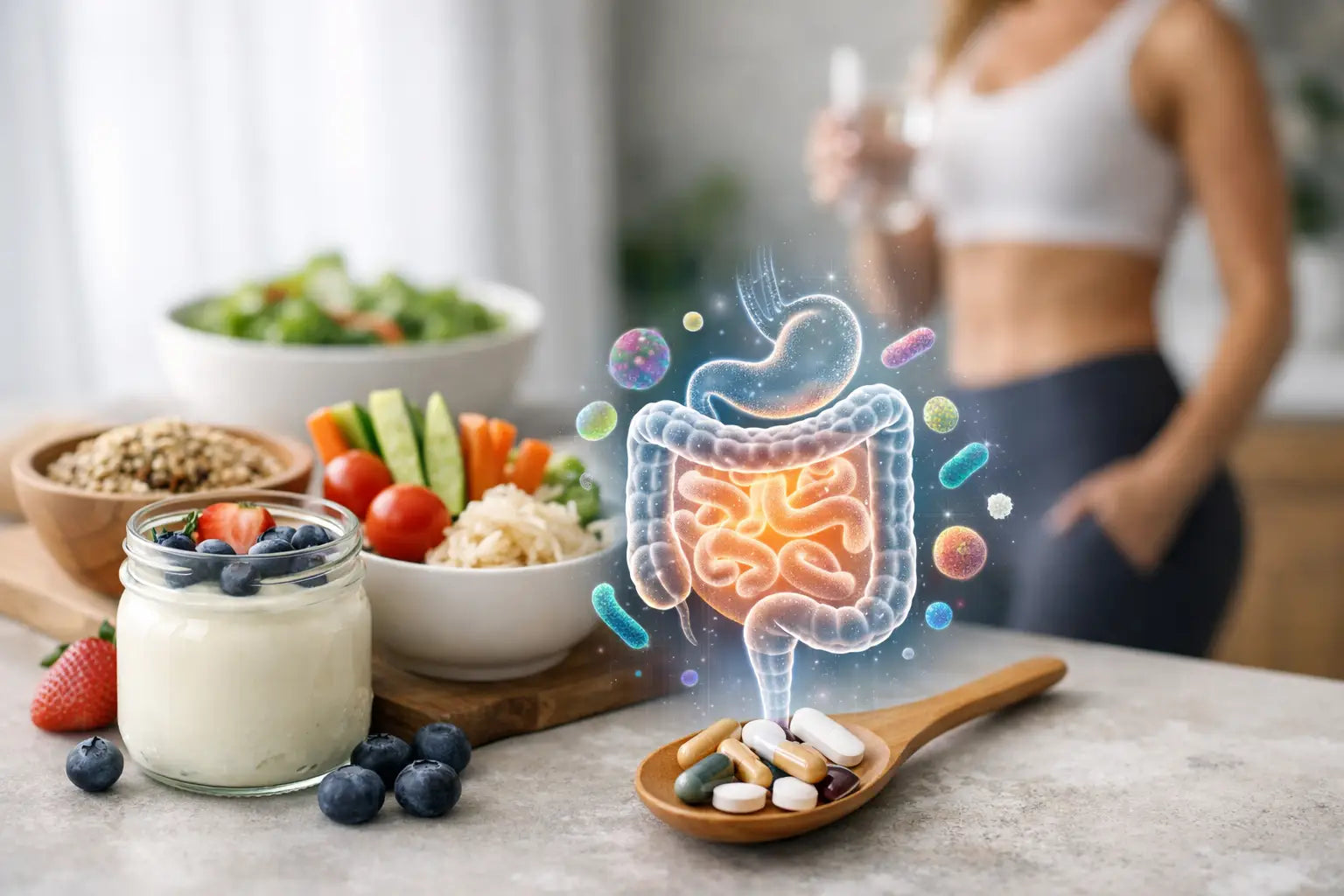
Gut microbiome optimization starts with daily choices. Learn how food, sleep, movement, and smart tribiotic support can help your gut work more smoothly.
Leave a comment
All comments are moderated before being published.
This site is protected by hCaptcha and the hCaptcha Privacy Policy and Terms of Service apply.