

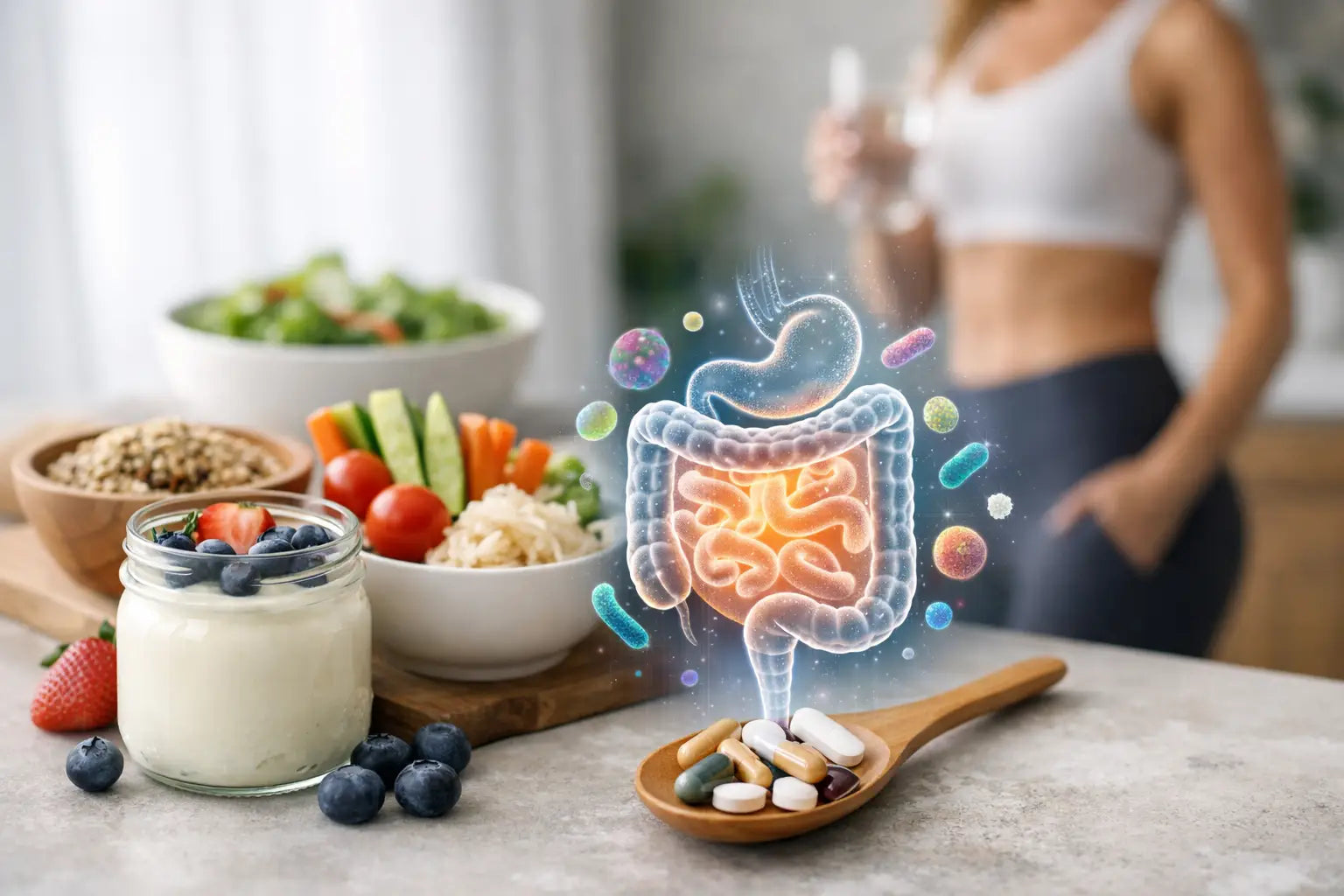
Your gut is not just reacting to what you ate last night. It is responding to your sleep, stress, movement, medications, meal patterns, and the thousands of daily choices that shape its ecosystem. That is why gut microbiome optimization is bigger than taking a probiotic and hoping for the best.
Your microbiome is home to trillions of microorganisms that help break down parts of food your body cannot digest alone, produce helpful compounds, communicate with your immune system, and influence the gut-brain connection. When that community is supported, many people notice a difference in the things that affect daily life most: more comfortable digestion, less unpredictable bloating, steadier energy, and a body that simply feels easier to live in.
The goal is not a perfectly sterile, perfectly controlled gut. That is neither possible nor desirable. The goal is a diverse, resilient microbiome that can handle real life - restaurant meals, busy weeks, travel, changing routines, and the occasional late-night snack.
What Gut Microbiome Optimization Actually Means
Optimization is not a cleanse, a three-day reset, or a race to remove every food that causes a little discomfort. It means creating conditions that help beneficial microbes thrive while reducing the habits that repeatedly throw your system off balance.
A healthy microbiome tends to be diverse. Different microbes prefer different fibers and create different beneficial byproducts, including short-chain fatty acids. These compounds help nourish the cells lining your colon and play a role in the gut barrier. Translation: your food choices do not just feed you. They feed an internal community with a major job to do.
That is also why one-size-fits-all advice has limits. Some people can jump into high-fiber eating with no issue. Others with a sensitive gut, constipation, IBS, or a low-fiber baseline may feel gassy and uncomfortable if they double their fiber overnight. Better gut health is usually built through steady progress, not digestive chaos in the name of wellness.
Start With More Microbe-Friendly Food
The most powerful place to begin is not exotic. It is variety.
Plant foods contain fibers and plant compounds that your body may not fully absorb, but your microbes can use. Aim to rotate the ingredients you already enjoy instead of forcing down foods you hate. Add berries to breakfast, beans or lentils to a meal you already make, leafy greens to lunch, or onions, garlic, oats, apples, nuts, seeds, and whole grains across the week.
The win is consistency and range. A plate with a few familiar whole foods is more useful than an occasional “perfect” salad followed by days of ultra-processed convenience food.
Fermented foods can be another smart addition for people who tolerate them. Yogurt with live cultures, kefir, kimchi, sauerkraut, and miso may introduce live microbes and food-derived compounds that support dietary diversity. They are not mandatory, and they are not automatically better for everyone. If you are sensitive to fermented foods, start small or focus first on fiber-rich plants.
When increasing fiber, pair it with adequate fluids and give your body time. Add one meaningful change for a week or two, then assess. More is not always better on day one. The right amount is the amount you can repeat comfortably.
Watch the “Healthy” Habits That Backfire
Aggressive restriction can shrink food variety, which can make it harder to nourish a diverse microbiome. Unless a clinician has identified a specific medical reason to eliminate a food, avoid turning every temporary symptom into a permanent food rule.
The same goes for detox teas, extreme fasting, and random stacks of supplements. They can feel proactive, but gut health rarely rewards panic. Your body responds better to a predictable rhythm: regular meals, enough protein and plants, hydration, and time to digest.
Support the Gut Beyond the Kitchen
Your microbes do not live in a food-only universe. They respond to the rest of your routine.
Sleep matters because your body runs repair and regulation processes overnight. A few rough nights will happen. Chronic short sleep is where the pattern becomes a problem, often showing up alongside cravings, irregular digestion, lower energy, and higher stress. Set a realistic target and protect a consistent wake time before trying to engineer a flawless bedtime ritual.
Movement helps, too. Walking after meals can support digestion and blood sugar management, while regular strength training and cardio support metabolic health. You do not need an intense workout plan to earn gut benefits. A daily walk is a very real move for your microbiome.
Stress is the wild card. The gut and brain are in constant conversation, so a stressful season can absolutely show up in your bathroom routine or your belly. This is not “all in your head.” It is biology. A short breathing practice, screen-free walk, therapy, time outside, or even a few minutes of quiet before eating can help interrupt the always-on signal your gut is receiving.
Where Tribiotics Fit Into Gut Microbiome Optimization
Food and lifestyle build the foundation. A well-designed daily supplement can make that foundation easier to support, especially when your schedule is packed and your meals are not always microbiome masterpieces.
A probiotic provides live beneficial microorganisms. A prebiotic provides the fuel that selected beneficial microbes use. A postbiotic provides beneficial compounds made through microbial activity or fermentation. Together, these are often called a tribiotic approach.
That combination matters because gut support is not only about adding bacteria. Microbes need nourishment, and the compounds they produce can matter, too. Think of it as supporting the team, their food supply, and some of the useful work products all at once.
Still, supplement quality and fit matter. Strains, doses, delivery formats, and ingredient tolerance vary. A product that works beautifully for one person may not be the best choice for another. If you are pregnant, immunocompromised, managing a digestive condition, or taking prescription medications, speak with a qualified healthcare professional before adding a new supplement.
For adults who want a simple daily habit, a full-spectrum tribiotic formula like GG-360™ from The Gut Gummy™ can be a practical way to complement food-first gut care without adding another capsule or powder to the counter. The best routine is the one you will actually use.
How to Know Whether Your Plan Is Working
Your gut does not need to perform on command every morning to count as healthy. Look for patterns over several weeks rather than judging one meal or one bathroom visit.
Signs that your routine may be moving in the right direction include more regular bowel movements, less frequent bloating or discomfort, better tolerance for a wider range of foods, and a more predictable digestion rhythm. Energy, mood, skin, and appetite may also be part of the bigger picture, but they are influenced by many factors. Avoid promising yourself that every problem has a gut-only solution.
A simple notes app can help. Track meals, sleep, stress, movement, supplements, and symptoms for two weeks. You are looking for repeatable connections, not trying to micromanage every bite. For example, you may notice that low-fiber workdays and poor sleep line up with constipation, or that adding beans too quickly triggers discomfort. That is useful data.
Persistent pain, blood in stool, unexplained weight loss, ongoing diarrhea, severe constipation, vomiting, fever, or symptoms that wake you at night deserve medical evaluation. Optimization is for supporting everyday wellness, not self-treating red flags.
Build the Boringly Effective Version
The flashy gut-health trend is usually the one that promises a dramatic reset. The effective version is quieter: eat more plant variety, increase fiber at a pace your body can handle, move often, sleep more consistently, lower the stress signal where you can, and choose targeted support when it makes sense.
Give your microbiome a better environment, then give it time. Your gut is an ecosystem, not a light switch - and small habits repeated daily can create the kind of change you actually feel.

By GG – your glam guide to gut health, dishing the microbiome gossip straight from the Upper Intestine
🗽✨
Read more
Clear prebiotics probiotics and postbiotics definition guide. Learn how each works, why they matter, and how they support gut and whole-body health.

Gut health for immunity starts with your microbiome. Learn how food, sleep, stress, and tribiotic support help defenses work every day. Feel stronger now.
Leave a comment
All comments are moderated before being published.
This site is protected by hCaptcha and the hCaptcha Privacy Policy and Terms of Service apply.