

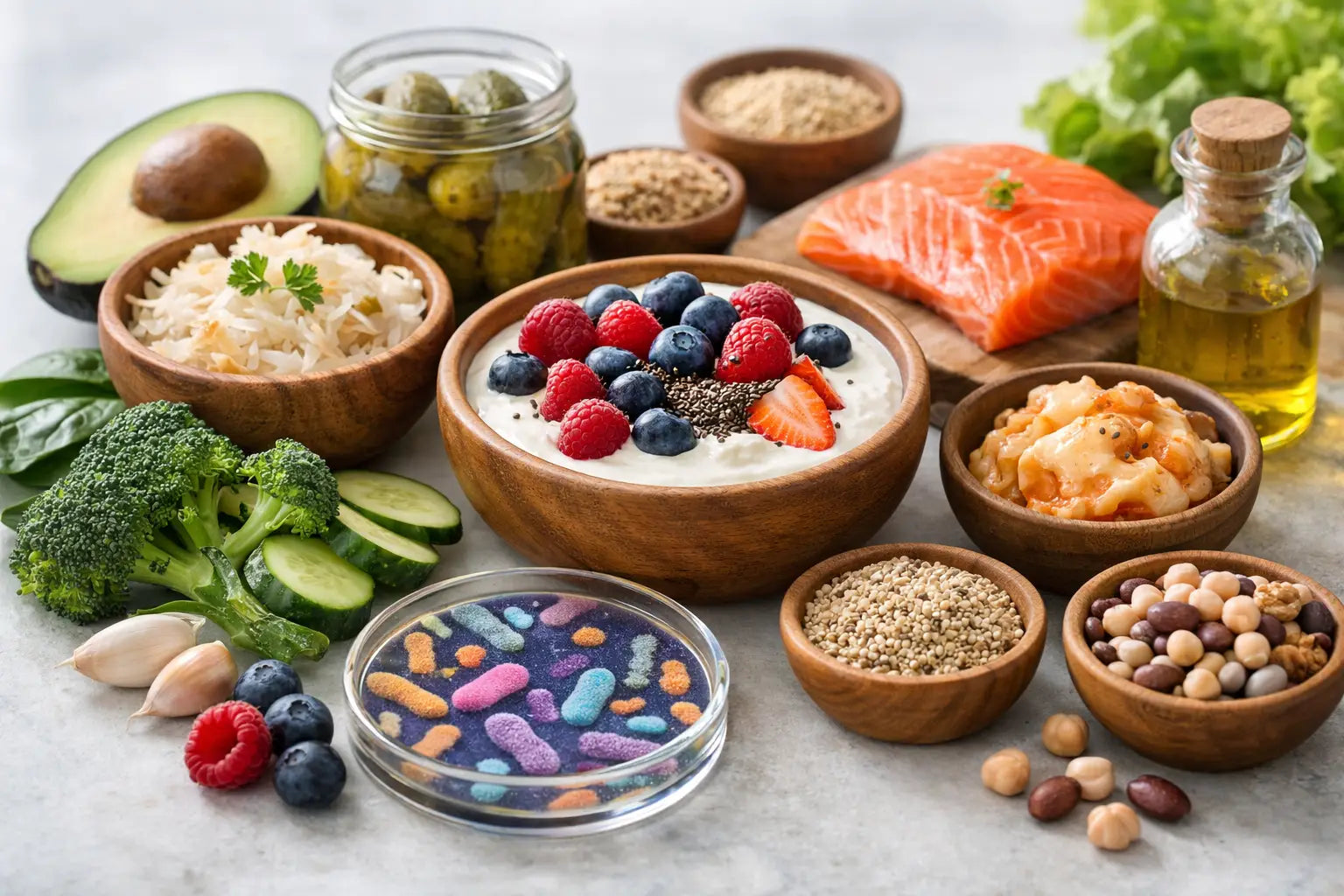
Your gut bugs are hungry - and they are picky in ways that matter. If you have ever wondered what foods are good for the gut microbiome, the short answer is this: the winners are foods that feed beneficial bacteria, increase microbial diversity, and help your gut produce useful compounds like short-chain fatty acids. Translation? The right foods can support smoother digestion, less bloating, steadier energy, better immune function, and even mood.
That does not mean there is one magic yogurt or one trendy powder that fixes everything. The microbiome is a living ecosystem, and ecosystems do better with variety, consistency, and the right inputs over time.
What foods are good for the gut microbiome?
The best gut-friendly foods usually fall into three lanes: fiber-rich plant foods, fermented foods, and foods rich in polyphenols and resistant starch. Each lane does something a little different.
Fiber-rich foods act like fuel. Many of the fibers your body cannot digest make it to the colon, where gut microbes ferment them. That fermentation process creates compounds that help support the gut lining and keep the intestinal environment in better shape.
Fermented foods can introduce live microbes, depending on the product and processing. They are not a cure-all, and not every fermented food contains meaningful live cultures by the time you eat it, but they can still be useful in a balanced diet.
Polyphenol-rich foods, like berries and cocoa, give certain beneficial bacteria an edge. Resistant starch works a bit like fiber and is especially interesting because it can increase the production of short-chain fatty acids, which your gut tends to love.
The foods that do the most heavy lifting
If you want the highest return on effort, start with plants. Not glamorous, but very effective. A diverse plant intake consistently shows up in conversations about a healthier microbiome because different microbes prefer different fibers and plant compounds.
Beans, lentils, and chickpeas
Legumes are microbiome overachievers. They bring fiber, resistant starch, and slow-digesting carbs to the table. They also tend to support satiety, which is helpful if your wellness goals include appetite control or body composition.
The trade-off is obvious: if your gut is not used to them, they can cause gas. That does not always mean they are bad for you. It may just mean your gut needs a slower ramp-up. Smaller portions, more water, and regular intake usually work better than going from zero to chili cook-off overnight.
Oats, barley, and other whole grains
Oats are a standout because they contain beta-glucan, a type of soluble fiber that supports both gut and heart health. Barley offers similar benefits. Whole grains in general can help feed beneficial microbes more effectively than refined grains.
This is where nuance matters. If someone has celiac disease, non-celiac gluten sensitivity, or another digestive issue tied to certain grains, the best choice depends on tolerance. The microbiome does not benefit from foods that leave you miserable.
Onions, garlic, leeks, asparagus, and artichokes
These foods are known for prebiotic fibers, especially fructans and inulin. They are basically a dinner invitation for certain beneficial bacteria.
They are also common triggers for people following a low-FODMAP approach during IBS flares. So yes, they are famous for gut support, and yes, they can be rough for some people. Both things can be true. If they bother you, portion size and preparation matter, and you may do better with gentler prebiotic foods.
Bananas, apples, berries, and kiwi
Fruit is not just sugar in a prettier package. Many fruits contain fiber and polyphenols that help nourish gut microbes. Slightly green bananas offer resistant starch, apples contain pectin, berries are rich in polyphenols, and kiwi has a strong reputation for supporting regularity.
If bloating is a concern, your tolerance may vary by fruit and serving size. The goal is not to force giant smoothie bowls. It is to build a steady rotation of fruits your body handles well.
Leafy greens and cruciferous vegetables
Spinach, kale, broccoli, Brussels sprouts, and cabbage bring fiber and plant compounds that beneficial microbes can use. Cruciferous vegetables also support the body systems that handle detoxification and inflammation, which makes them a smart play for full-body wellness.
Raw is not automatically better. Some people digest cooked vegetables more comfortably, and that still counts.
Fermented foods and where they fit
Fermented foods get plenty of hype, and some of it is deserved. Yogurt with live cultures, kefir, sauerkraut, kimchi, miso, and tempeh can help diversify your microbial exposure.
But there is a catch. Not every fermented food on the shelf contains live, active cultures in meaningful amounts. Some are pasteurized after fermentation, which changes the equation. Others are loaded with sodium or sugar, which may not line up with your bigger health goals.
Yogurt and kefir
These are often the easiest entry point. They can provide live cultures and are widely available. Unsweetened versions are usually the better move if you want benefits without a dessert-level sugar hit.
If dairy does not love you back, there are non-dairy options, but check labels. Some contain live cultures and some do not.
Sauerkraut, kimchi, and other fermented vegetables
These can be useful in small amounts. A few forkfuls alongside meals may be enough. You do not need a giant bowl.
Again, tolerance matters. Fermented foods can be too intense for some people, especially if histamine sensitivity is part of the picture.
The underrated gut-microbiome foods
Some of the best foods for gut support are not the ones with the loudest marketing.
Cooked and cooled potatoes, rice, and pasta
This sounds suspiciously convenient, but it is real. Cooling certain starches increases resistant starch, which can feed beneficial microbes. Potato salad, rice bowls made from cooled rice, or leftover roasted potatoes can all fit.
This is not a free pass to base your diet on beige carbs. It just means preparation can change how a food behaves in the gut.
Nuts and seeds
Almonds, walnuts, pistachios, chia, and flax bring fiber and plant compounds that may support microbial balance. They are easy to add to meals without turning your routine upside down.
Flax and chia also support stool regularity in many people, which is a very unglamorous but very real win.
Cocoa, green tea, coffee, and herbs
These foods and drinks are rich in polyphenols, which beneficial bacteria can metabolize. That means your morning coffee or evening tea may be doing more than helping your mood.
The catch, as always, is dosage and context. Too much caffeine can aggravate some digestive symptoms. A gut-friendly food is only gut-friendly if your body agrees.
What to eat more often if your goal is a healthier microbiome
If you want a practical rule, aim for more plant variety across the week instead of obsessing over one superfood. Different fibers feed different microbes. Diversity on your plate supports diversity in your gut.
A simple day could look like oats with berries in the morning, a lentil or grain bowl at lunch, cooked vegetables with dinner, and a piece of fruit or a handful of nuts as a snack. Add a fermented food if you tolerate it well. That pattern does a lot without feeling like a science project.
This is also why a tribiotic approach has become more interesting. Food should be the foundation, but some people want extra support that does more than a standard probiotic alone. A formula that combines prebiotics, probiotics, and postbiotics is built around the same basic truth: gut health is not one-dimensional.
Foods that may work against your gut microbiome
You do not need a fear list, but ultra-processed foods low in fiber and high in added sugar can crowd out the foods your beneficial bacteria actually want. Heavy alcohol intake can also disrupt microbial balance and irritate the gut lining.
This is not an argument for perfection. Pizza night will not erase your microbiome. The bigger pattern matters more than a single meal.
The biggest mistake people make
They change too much too fast.
If your current diet is low in fiber and you suddenly add beans, raw cruciferous veggies, chia pudding, kombucha, and kimchi in the same 48 hours, your gut may file a formal complaint. More fiber is usually helpful, but the dose and pace matter.
Build gradually. Increase water. Watch how your body responds. The best gut-food plan is not the most aggressive one. It is the one you can actually stick with.
And if you are asking what foods are good for the gut microbiome, that question is already pointing you in the right direction. Start with more plants, more variety, and more consistency. Your microbiome does not need a miracle. It needs better meals, more often.

By GG – your glam guide to gut health, dishing the microbiome gossip straight from the Upper Intestine
🗽✨
Read more
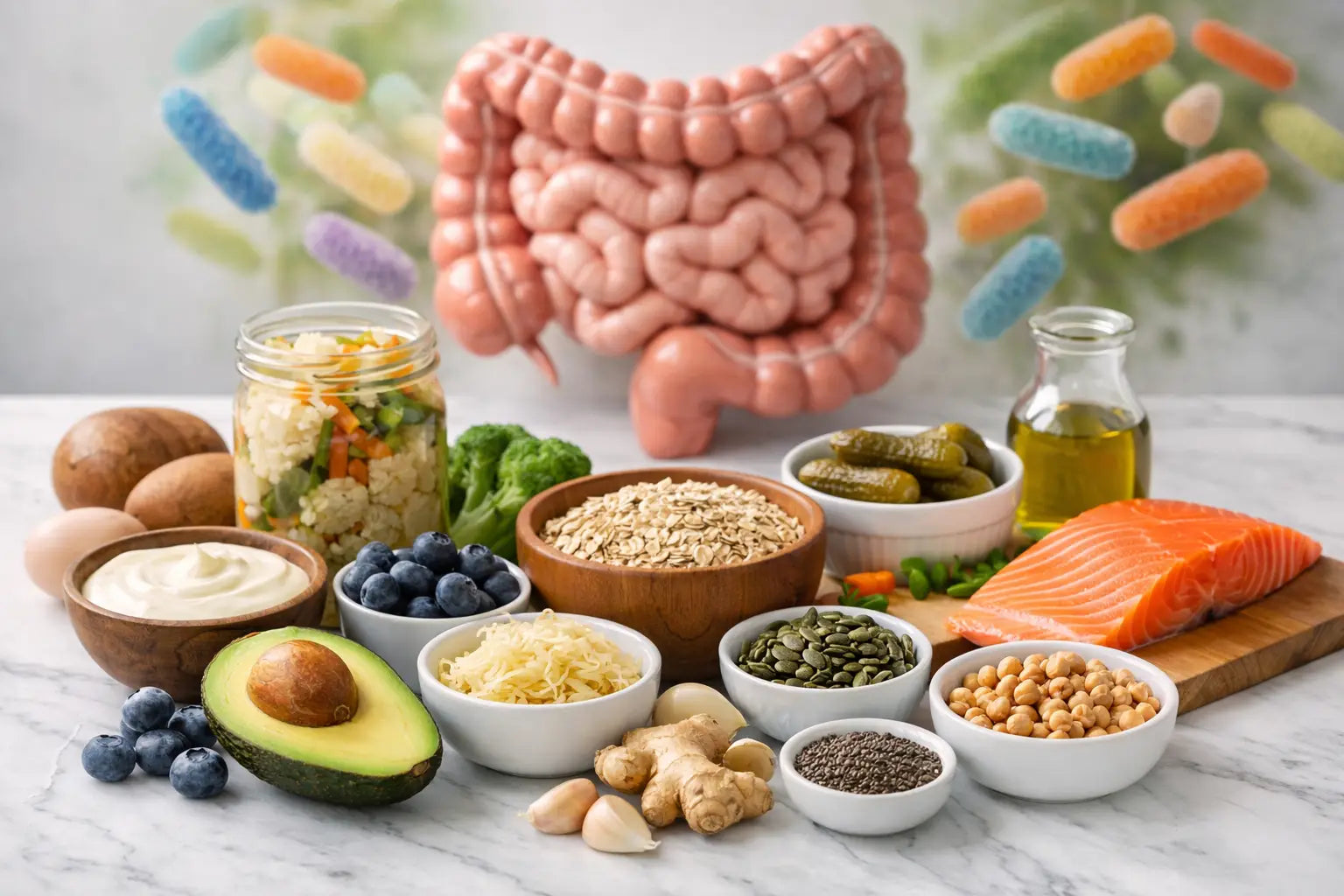
Discover healthy gut microbiome foods that help feed good bacteria, ease bloating, and support digestion, immunity, mood, and daily energy.
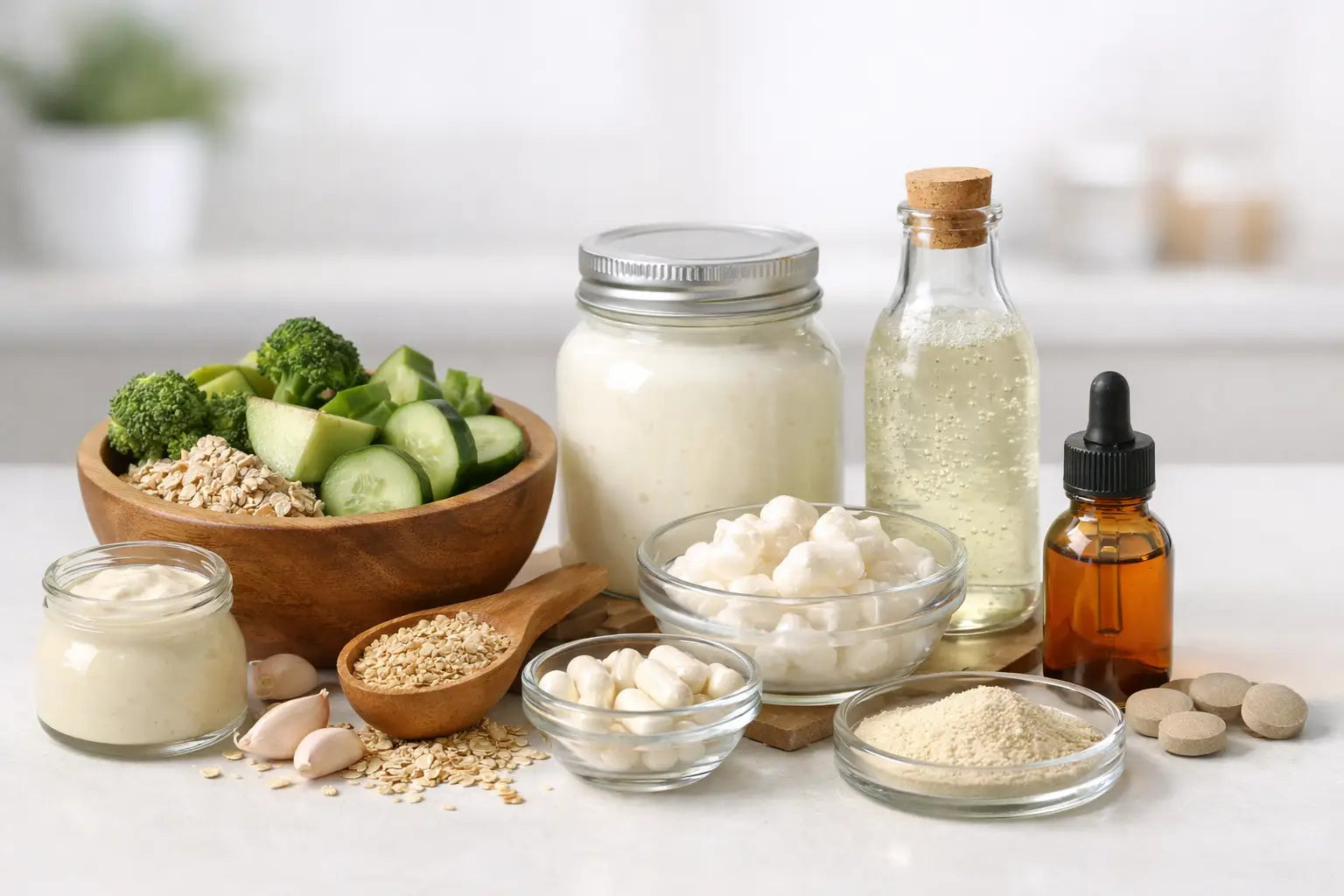
Clear prebiotics probiotics and postbiotics definition guide. Learn how each works, why they matter, and how they support gut and whole-body health.
Leave a comment
All comments are moderated before being published.
This site is protected by hCaptcha and the hCaptcha Privacy Policy and Terms of Service apply.