

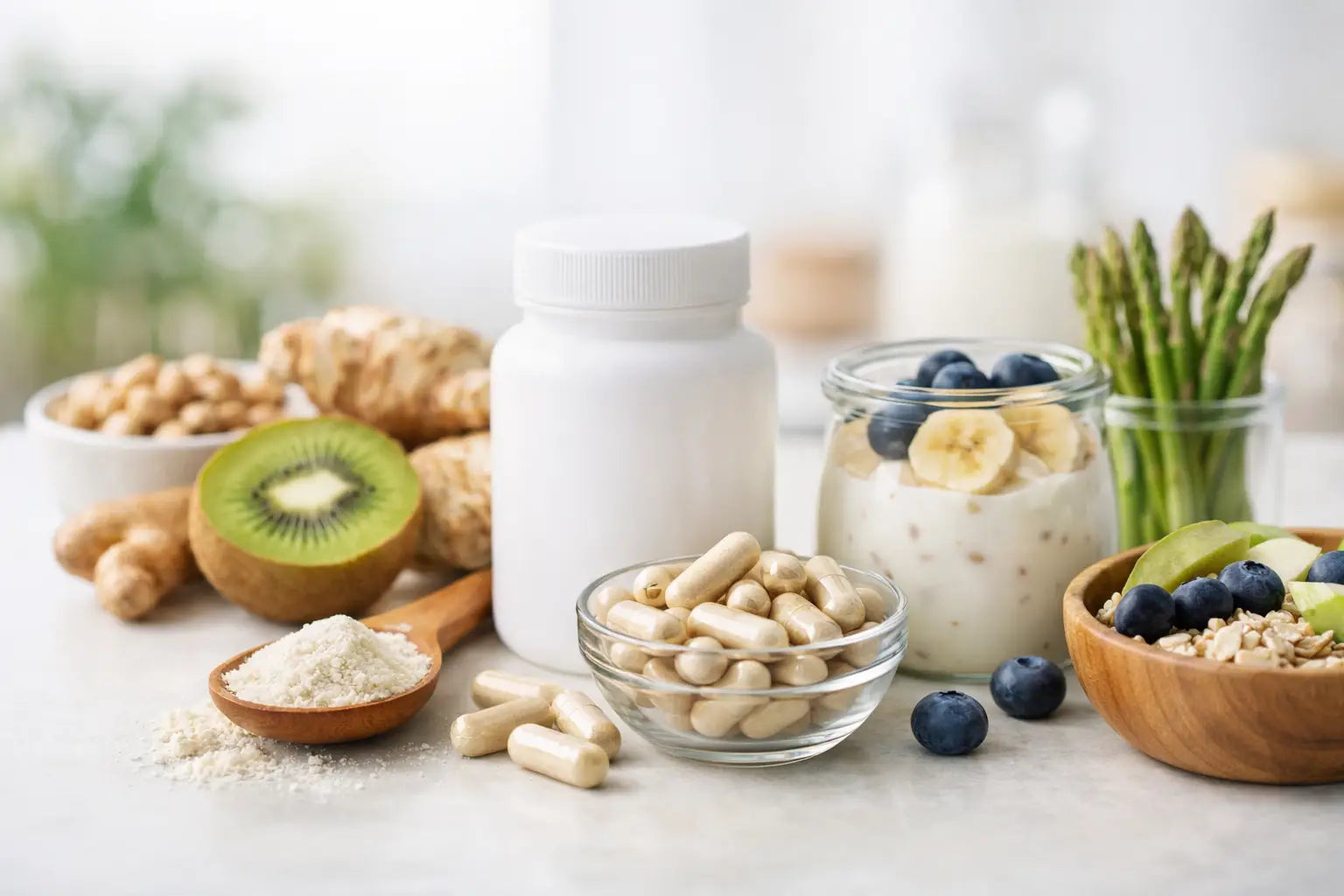
Your gut bacteria do not need more noise. They need fuel. Prebiotic supplements are designed to provide that fuel by feeding beneficial microbes already living in your digestive tract - the tiny ecosystem linked to regularity, comfort, immune function, and even mood-related wellness.
The catch? Not every fiber supplement is a smart prebiotic, and more is not always better. The right choice depends on your current diet, your digestion, and whether you want a solo fiber boost or a more complete microbiome strategy.
What prebiotic supplements actually do
Prebiotics are compounds, usually specific types of fiber, that make it through the upper digestive system without being broken down. Once they reach the colon, beneficial bacteria can ferment them. That fermentation produces helpful compounds called short-chain fatty acids, including butyrate, which help support the gut environment and the cells lining your colon.
Think of probiotics as the live visitors, prebiotics as their preferred food, and postbiotics as the beneficial compounds created along the way. A prebiotic does not add bacteria to your gut. It helps create conditions where the beneficial bacteria already there can do more of what they do best.
That matters because gut health is not just a bathroom topic. A large share of immune activity is connected to the gut, and the gut-brain connection is a real two-way communication system. Your microbiome will not solve every wellness concern overnight, but supporting it can be a meaningful foundation for feeling more comfortable and consistent day to day.
Prebiotic fiber is not one-size-fits-all
The label may say “fiber,” but different fibers behave very differently in your body. Some mainly add bulk. Some absorb water and support stool consistency. Some are fermented by gut microbes and are more likely to fit the definition of a prebiotic.
Common prebiotic ingredients include inulin, fructooligosaccharides or FOS, galactooligosaccharides or GOS, resistant starch, and partially hydrolyzed guar gum. Each has a different fermentation profile, which means each can feel different in your gut.
Inulin and FOS are popular because they are widely studied and effective at feeding certain beneficial bacteria. They can also be intense for sensitive stomachs, especially when taken at a high dose too quickly. Resistant starch is found naturally in foods like cooled potatoes, green bananas, beans, and oats, and may be a gentler option for some people. Partially hydrolyzed guar gum is often well tolerated, though individual responses still vary.
This is why a prebiotic supplement that works beautifully for your coworker can leave you feeling gassy and over it. Your baseline fiber intake, microbiome, stress level, medication use, and digestive sensitivity all shape the experience.
The first-week rule: start lower than you think
If your current diet is light on plants, jumping straight into a high-dose prebiotic can make your gut very vocal. Gas, bloating, and changes in bowel movements can happen as bacteria begin fermenting more material. That does not automatically mean the supplement is wrong for you. It may mean the dose is moving faster than your gut can comfortably adapt to.
Start with the lowest suggested serving, or even a partial serving if the product format allows it. Give your body several days before increasing. Drink water consistently, and avoid introducing three new gut-health products at once. If you start a new prebiotic, probiotic, greens powder, and high-fiber meal plan on Monday, it will be nearly impossible to tell what is helping or what is causing discomfort.
A little adjustment can be normal. Ongoing pain, severe bloating, diarrhea, constipation, or symptoms that disrupt your routine are signs to stop and check in with a qualified healthcare professional. This is especially relevant if you have IBS, inflammatory bowel disease, SIBO, are pregnant, or follow a medically prescribed diet.
How to choose prebiotic supplements without falling for hype
A great label does not need to sound like a chemistry textbook, but it should tell you what you are getting. Look for the specific prebiotic ingredient and serving amount rather than vague language like “proprietary gut blend.” Transparency matters because the dose is where comfort and results meet.
You also want to decide what job the supplement needs to do. If your meals are consistently low in fiber, a dedicated prebiotic may be a practical bridge while you build better food habits. If you are already eating beans, berries, vegetables, oats, nuts, seeds, and whole grains most days, you may need a smaller supplemental dose - or none at all.
For people who want broader support, a tribiotic formula can make more sense than taking separate products. Tribiotics combine prebiotics, probiotics, and postbiotics in one routine, addressing the food, the microbes, and the beneficial byproducts. The trade-off is that multi-ingredient formulas make it harder to isolate which component agrees with you if you are highly sensitive.
Format matters too. Capsules are convenient and often simple. Powders can make higher fiber doses easier to reach, but can be chalky or inconvenient. Gummies make consistency feel less like another task on your wellness checklist. The best format is the one you will use consistently, with an ingredient profile and dose that fit your needs.
Food still sets the foundation
Supplements can help, but they cannot outsmart a diet that gives your microbes almost nothing to work with. Your gut likes variety. Different plant foods contain different fibers and polyphenols, so eating the same “healthy” salad every day is not quite the microbiome flex people think it is.
Build prebiotic-rich foods into meals you already enjoy. Add oats or slightly green banana to breakfast. Rotate lentils, chickpeas, and beans into lunches. Pair dinner with onions, garlic, asparagus, artichokes, or whole grains. Snack on apples, berries, pistachios, or cooled potato salad when it fits your preferences.
You do not need perfection or a pantry that looks like a wellness influencer’s. Aim for more plants across the week, increase fiber gradually, and use a supplement as support rather than a substitute. Consistency beats a dramatic two-day fiber reset every time.
When a tribiotic approach may be worth considering
A prebiotic-only product is useful when you mainly want to feed your existing beneficial bacteria. But gut ecosystems are dynamic. Stress, travel, inconsistent sleep, antibiotics, low plant intake, and aging can all influence the balance and activity of the microbiome.
That is where a full-spectrum approach can be appealing. A formula such as GG-360™ from The Gut Gummy™ brings prebiotics, probiotics, and postbiotics into one daily gummy habit. It is designed for people who want science-forward gut support without stacking capsules, powders, and complicated schedules.
Still, simple can be powerful. If you are new to gut supplements or know that fermentable fibers make you uncomfortable, begin conservatively. Read the label, honor your symptoms, and give your body time to respond before adding more.
What results should you realistically expect?
Prebiotics are not a quick fix for bloating after one restaurant meal. Their value comes from supporting the ecosystem over time. Some people notice shifts in regularity or digestive comfort within a couple of weeks. Others need longer, particularly if they are gradually increasing fiber intake or rebuilding a routine after travel, stress, or inconsistent eating.
Pay attention to practical signals instead of chasing perfection: Are you more regular? Do meals leave you feeling less heavy? Is your energy more even when you are also sleeping and eating well? These small patterns are more useful than expecting a single supplement to transform your body by Friday.
Your gut is a living system, not a machine that needs harsher inputs. Choose prebiotic support that feels sustainable, feed it with real food, and let the daily habit do its quiet, powerful work.

By GG – your glam guide to gut health, dishing the microbiome gossip straight from the Upper Intestine
🗽✨
Read more

Use this antibiotic gut recovery guide to support steady digestion with food, fiber, sleep, and smart supplement choices after a recent prescription.
Searching for the best fiber supplements for regularity? Learn which types support easier, more predictable bathroom habits and how to choose wisely.
Leave a comment
All comments are moderated before being published.
This site is protected by hCaptcha and the hCaptcha Privacy Policy and Terms of Service apply.