

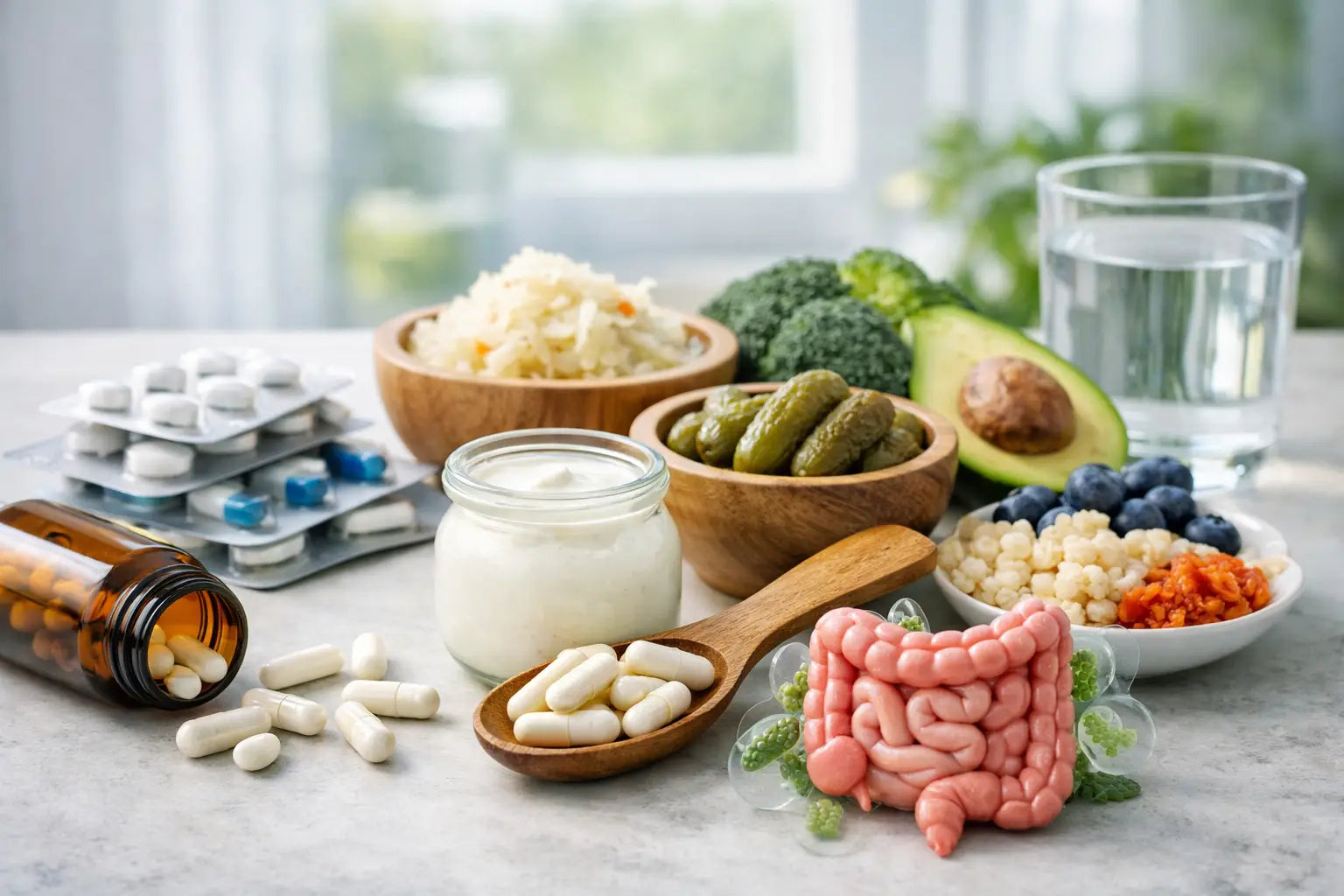
Antibiotics can be lifesaving. They can also leave your gut feeling like it missed the memo: bloating after meals, unpredictable bathroom trips, low appetite, or that generally off feeling you cannot quite pin on one thing. This antibiotic gut recovery guide is about helping your system find its rhythm again without turning your kitchen counter into a pharmacy.
Your gut microbiome is a busy ecosystem of bacteria and other microbes that help process food, support the intestinal barrier, and communicate with systems involved in immune and metabolic health. Antibiotics are designed to reduce harmful bacteria, but they can affect helpful microbes, too. That does not mean your gut is permanently damaged. It means recovery deserves a little intention.
What Antibiotics Can Change in Your Gut
An antibiotic course can temporarily shift the variety and balance of microbes in the digestive tract. The impact depends on the medication, dose, length of treatment, your diet, your health history, and whether you have taken antibiotics recently. Some people feel completely normal. Others notice digestive disruption during treatment or in the weeks that follow.
The common mistake is expecting one food or one probiotic to "fix" everything overnight. Microbiome recovery is less of a cleanse and more of a rebuild. Your job is to create conditions that help beneficial microbes return and thrive: regular nourishment, enough plant fiber, hydration, movement, rest, and patience.
If your prescriber gave you an antibiotic, take it exactly as directed and complete it unless they tell you otherwise. Do not skip doses or stop early because you are worried about your microbiome. Treating the infection comes first. Gut support works alongside appropriate medical care, not against it.
Your Antibiotic Gut Recovery Guide: Start With the Basics
For the first few days after treatment, think gentle consistency rather than dietary perfection. If your appetite is low or your stomach feels sensitive, choose easy-to-digest meals you can tolerate: oatmeal, rice, potatoes, eggs, soups, cooked vegetables, bananas, yogurt if dairy works for you, and lean proteins. Smaller meals may feel better than one oversized dinner.
Then begin widening the variety on your plate. Different plant foods contain different fibers and naturally occurring compounds that nourish different microbes. A colorful grocery cart is not just wellness decor. It is practical microbiome support.
Aim to add foods gradually, especially if you are already bloated. Suddenly going from very little fiber to a giant raw kale salad, lentil bowl, and fiber powder can make recovery feel worse. Start with one extra fiber-rich food per day, then build from there as your digestion settles.
A simple day might include berries or oats at breakfast, a bean or whole-grain option at lunch, and cooked vegetables with dinner. If beans are not your thing, try chia, ground flax, apples, pears, sweet potatoes, quinoa, or avocado. The goal is progress, not a perfect 30-plant-food checklist by Tuesday.
Add fermented foods if they agree with you
Foods such as yogurt with live cultures, kefir, kimchi, sauerkraut, miso, and tempeh can be a useful part of a gut-friendly eating pattern. But they are optional, not mandatory. Fermented foods can be salty, spicy, dairy-based, or high in compounds that bother some people.
Try a small serving and notice how you feel. If yogurt leaves you gassy or kimchi triggers reflux, do not force it. There are plenty of other ways to support your gut.
Feed your gut before you flood it with products
Probiotics get the spotlight, but prebiotic fiber is often the quieter MVP. Prebiotics are fuel for beneficial microbes. They are found in everyday foods, including onions, garlic, asparagus, oats, legumes, slightly green bananas, and many fruits and vegetables.
That said, more is not automatically better. People with IBS, active digestive symptoms, or a history of sensitivity to fermentable fibers may need a slower ramp-up. If fiber consistently causes pain, severe bloating, or major changes in bowel habits, talk with a clinician or registered dietitian instead of pushing through it.
Should You Take a Probiotic After Antibiotics?
It depends. Certain probiotic strains have been studied for reducing the risk of antibiotic-associated diarrhea in some people, but results vary by strain, product quality, timing, and the individual taking them. A label that says "probiotic" is not a guarantee that it is the right fit for your post-antibiotic gut.
If you want to try one, look for a product that clearly identifies its strains and provides storage and dosing instructions. Ask a pharmacist or clinician about timing because some probiotics should be taken several hours apart from an antibiotic. People who are severely immunocompromised, critically ill, have central venous catheters, or have complex medical conditions should get medical guidance before taking probiotic supplements.
A broader approach may be easier to sustain than chasing a single strain. Tribiotic formulas bring together prebiotics, probiotics, and postbiotics - beneficial compounds made through microbial activity - to support the ecosystem from more than one angle. The Gut Gummy™ GG-360™ is designed around that full-spectrum idea in a simple daily gummy format, which can be helpful for people who will not stick with a complicated capsule-and-powder routine.
No supplement replaces food variety, sleep, or medical care. Think of it as support for the habits that make your gut feel more predictable, not permission to ignore them.
The 30-Day Reset That Actually Fits Real Life
The first week is about stabilizing. Keep meals regular, drink water throughout the day, and choose foods that feel calm and familiar. Alcohol can irritate the gut and disrupt sleep, so reducing it for a week or two is a smart move. If you are taking an antibiotic that has specific food or alcohol restrictions, follow those instructions first.
Weeks two and three are the expansion phase. Add more plant diversity, increase fiber slowly, and prioritize a daily walk. Movement supports regular bowel habits and can take the edge off stress, which matters because the gut and brain are in constant conversation.
By week four, focus on the habits you can repeat. The best gut routine is not the most extreme one. It is the breakfast you actually eat, the water bottle you refill, the vegetables you enjoy, and the supplement routine you remember on busy mornings.
Sleep belongs in this plan, too. A late-night scroll session followed by six hours of sleep will not erase all your progress, but chronic poor sleep can affect appetite, stress response, and digestive comfort. Give yourself a realistic target: a consistent bedtime most nights, a darker room, and a little space between dinner and sleep when possible.
Know When It Is More Than Normal Adjustment
Some digestive changes after antibiotics are mild and temporary. Others need prompt medical attention. Contact a healthcare professional if you have severe or persistent diarrhea, diarrhea with fever, blood or black stool, worsening abdominal pain, dehydration, fainting, or symptoms that are not improving. These can be signs of a complication that should not be managed with wellness tips alone.
Also check in if bloating, constipation, diarrhea, or food intolerance lingers for several weeks. Your symptoms may be related to the antibiotic, but they may also point to something else worth investigating.
Your gut does not need punishment after antibiotics. It needs steady inputs, smart choices, and enough time to respond. Start with your next meal, add one fiber-rich food you genuinely like, and build the kind of routine your microbiome can count on.

By GG – your glam guide to gut health, dishing the microbiome gossip straight from the Upper Intestine
🗽✨
Read more
Want to improve digestion without a complicated routine? Learn the daily habits that support gut comfort, regularity, and a healthier microbiome naturally.
Prebiotic supplements feed beneficial gut bacteria. Learn how to choose the right type, start comfortably, and support digestion every day with meals.
Leave a comment
All comments are moderated before being published.
This site is protected by hCaptcha and the hCaptcha Privacy Policy and Terms of Service apply.