

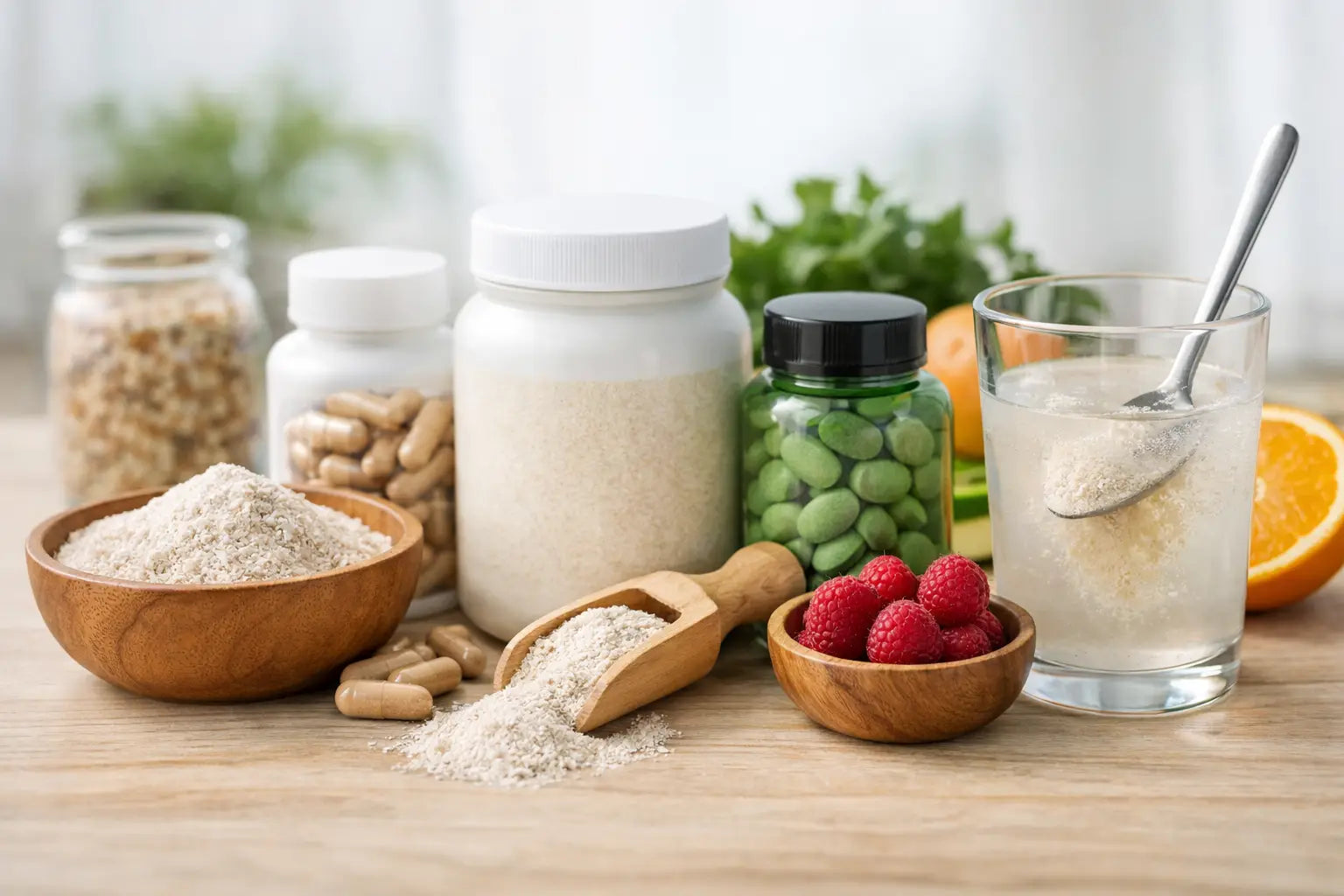
Your bathroom schedule should not feel like a weekly surprise. If you are dealing with skipped days, hard stools, or the frustrating cycle of bloating followed by urgency, the best fiber supplements for regularity can help create more predictable momentum. But “more fiber” is not a one-size-fits-all answer. The type of fiber, the dose, your fluid intake, and the state of your gut microbiome all matter.
Fiber is one of the most underrated tools in the gut-health toolkit. It can add bulk, hold water in stool, support beneficial microbes, and help food move through the digestive tract at a healthier pace. The catch: choosing the wrong kind or taking too much too fast can leave you feeling more inflated than regular.
What Makes a Fiber Supplement Good for Regularity?
A great regularity supplement does more than force a bowel movement. It supports the conditions your gut needs to do its job consistently: enough water in the stool, enough bulk to trigger movement, and a microbiome that can thrive on the fuel you give it.
There are two broad fiber categories, though many ingredients do a little of both. Soluble fiber absorbs water and forms a gel-like texture in the gut. This can soften stool and make it easier to pass. Insoluble fiber adds bulk and can help move material through the digestive system. Fermentable fibers are used by gut microbes, creating compounds that support the intestinal environment.
That last category is powerful, but it comes with a trade-off. Highly fermentable fibers can cause gas and bloating when your gut is not used to them. The best choice is not always the strongest one. It is the one you can take consistently without making your stomach feel like it is hosting a balloon convention.
The Best Fiber Supplements for Regularity, by Type
Psyllium husk for all-around stool support
Psyllium is often the front-runner for regularity because it is a gel-forming soluble fiber that can help normalize stool consistency. If stools are hard and dry, it holds water to make them easier to pass. If stools are loose, its gel-forming action may add structure.
This versatility makes psyllium a smart starting point for many people, especially those who want a single ingredient with a long track record. Start with a small serving and take it with a full glass of water. Skipping the water is not a power move. Fiber needs fluid to do its best work.
Psyllium can feel too heavy for some people, particularly at higher doses. It can also affect how certain medications are absorbed, so leave time between psyllium and prescription medications and ask a pharmacist or clinician if you are unsure.
Partially hydrolyzed guar gum for sensitive guts
Partially hydrolyzed guar gum, often shortened to PHGG, is a soluble prebiotic fiber that tends to dissolve easily and feel gentler than some traditional powders. It is fermentable, meaning beneficial gut bacteria can use it as fuel, but many people find it causes less gas than aggressively fermentable options.
PHGG is a strong contender if you want regularity support plus microbiome nourishment without the gritty texture or thick drink associated with some fiber products. It is not instant. Like most fibers, it works best when used daily and increased gradually.
For people navigating occasional bloating alongside irregularity, this slower, steadier approach can be more comfortable than reaching for a harsh cleanse or laxative tea.
Wheat dextrin for an easy daily routine
Wheat dextrin is a soluble fiber that mixes into water, coffee, smoothies, and many soft foods with very little texture. Convenience matters more than wellness culture likes to admit. The supplement you can actually remember is often more useful than the “perfect” powder collecting dust in a cabinet.
It may be a good fit for someone who wants to add fiber quietly to an established routine. However, it may not create the same gel-like stool-softening effect as psyllium, and results vary based on dose, hydration, and the rest of your diet.
Despite the name, wheat dextrin products may be processed to remove gluten, but labels still matter. If you have celiac disease, a wheat allergy, or need a strictly gluten-free product, verify the specific product and speak with your healthcare professional.
Methylcellulose when fermentation is the problem
Methylcellulose is a non-fermentable fiber. In plain English, your gut microbes do not readily break it down, which can make it useful for people who get uncomfortable gas from prebiotic fibers.
It absorbs water and adds bulk, supporting more comfortable stool passage without giving bacteria much material to ferment. The downside is that it does not offer the same microbiome-feeding benefits as fermentable fibers. Still, if your top priority is regularity with minimal gas, that trade-off may be worth it.
Inulin and chicory root for microbiome support, with caution
Inulin and chicory root fiber are popular prebiotic ingredients because gut microbes love them. They can support the production of beneficial metabolites in the colon and fit naturally into a bigger gut-health routine.
But “microbiome favorite” does not always mean “beginner friendly.” Inulin is highly fermentable and can trigger noticeable gas, cramping, or bloating in sensitive people, especially when taken in larger servings. If you are prone to symptoms after onions, garlic, or certain high-fiber bars, go slow with this category or choose a gentler option first.
How to Choose the Right Fiber for Your Gut
Start by looking at your actual pattern, not just the word “constipation.” Hard, dry stools often respond well to a water-holding fiber like psyllium. A sensitive, bloat-prone gut may prefer PHGG or methylcellulose. If your goal includes feeding beneficial microbes, a tolerable prebiotic fiber can be a valuable addition.
Then check the label for the amount of fiber per serving and the ingredient list. A product with one clearly named fiber source is easier to evaluate than a proprietary “digestive blend” that hides the dose. Sugar alcohols, large amounts of added sweeteners, and multiple prebiotic ingredients can also muddy the picture if you are trying to identify what your gut tolerates.
A gummy can make the habit easier, but gummies typically provide less total fiber per serving than a dedicated powder. That does not make them useless. It just means they may be better viewed as part of a broader gut-support routine rather than the sole source of fiber for someone who needs a meaningful increase.
For example, a daily tribiotic formula such as The Gut Gummy™ can complement a fiber-forward routine by bringing prebiotic, probiotic, and postbiotic support into one convenient habit. Just keep the roles clear: a tribiotic formula supports the ecosystem, while a dedicated fiber supplement is usually the more direct tool for increasing daily fiber intake and stool bulk.
The Smart Way to Start Taking Fiber
Going from low fiber to a large scoop overnight is the fastest route to discomfort. Your gut needs time to adapt. Start with a partial serving or a low dose, hold it there for several days, and increase only if you feel comfortable.
Hydration is non-negotiable. Fiber without enough fluids can worsen constipation for some people, particularly with bulk-forming options. Aim to drink water consistently through the day rather than trying to rescue the situation with one giant glass at night.
Food still counts, too. Beans, berries, chia seeds, vegetables, oats, nuts, and whole grains bring different fibers and plant compounds to the table. Supplements are excellent for closing the gap, but they do not replace the range of nutrients in real food. Think of the powder or capsule as your backup singer, not the entire band.
Give a new routine at least one to two weeks before judging it, unless it causes significant discomfort. Regularity is not always a daily bowel movement. For some people, a healthy pattern may be every other day, as long as stools are easy to pass and you feel well.
When Irregularity Needs More Than Fiber
Fiber is not the right answer for every gut problem. If you have severe or worsening abdominal pain, vomiting, blood in stool, unexplained weight loss, anemia, fever, or a sudden lasting change in bowel habits, seek medical care promptly. Those signs deserve more than a new supplement.
You should also check with a clinician before adding fiber if you have a history of bowel narrowing, swallowing difficulties, inflammatory bowel disease, or take medications that require precise timing. Smart wellness means knowing when to use a daily habit and when to bring in professional support.
The best fiber routine is the one that makes your gut feel calmer, not more complicated. Start low, add water, listen closely, and let consistency do the heavy lifting.

By GG – your glam guide to gut health, dishing the microbiome gossip straight from the Upper Intestine
🗽✨
Read more
Prebiotic supplements feed beneficial gut bacteria. Learn how to choose the right type, start comfortably, and support digestion every day with meals.

Can probiotics for bloating help you feel lighter? Learn which strains matter, why symptoms can briefly spike, and how to choose a smarter daily routine.
Leave a comment
All comments are moderated before being published.
This site is protected by hCaptcha and the hCaptcha Privacy Policy and Terms of Service apply.