

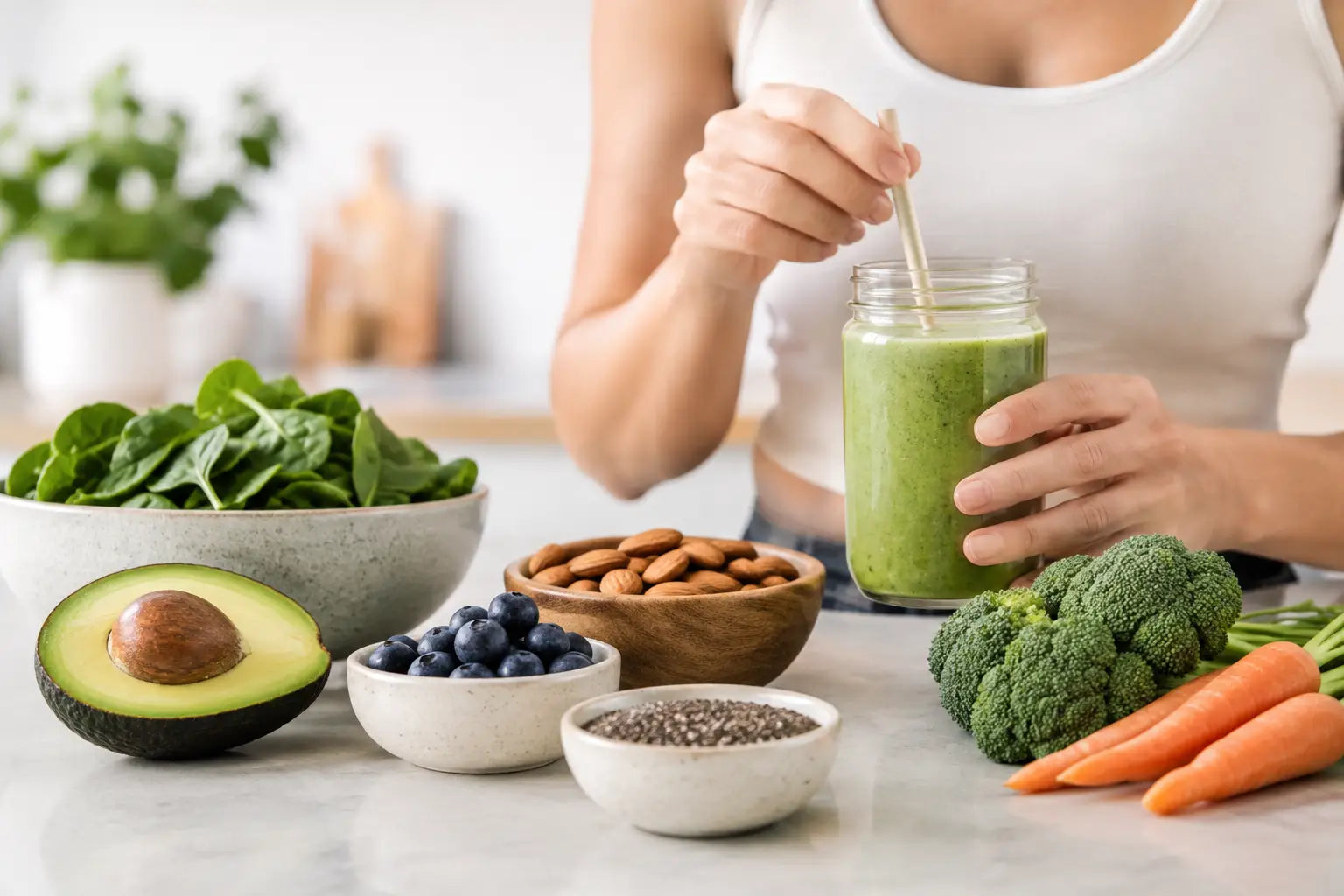
Your spinach smoothie, salmon bowl, and pricey multivitamin only go as far as your body can actually use them. To improve nutrient absorption, focus less on chasing a perfect diet and more on what happens after food hits your plate: digestion, gut health, food pairings, and timing.
That is the real nutrition plot twist. Eating nutrient-dense foods matters, obviously. But absorption determines how much of that goodness makes it through your digestive system and into circulation, where your body can put it to work for energy, immunity, muscles, skin, mood, and everything else on your daily agenda.
What affects nutrient absorption?
Nutrient absorption is not a single switch your body flips on or off. It is a chain reaction. Food must be broken down, moved through the digestive tract, absorbed through the intestinal lining, and transported where it is needed. Your stomach acid, digestive enzymes, bile, gut microbes, medications, stress level, and meal composition can all influence that process.
Some nutrients are also naturally harder to absorb than others. Plant-based iron is less readily absorbed than iron from animal foods. Fat-soluble vitamins need dietary fat. Certain compounds in foods can either help or hinder mineral absorption. None of this means you need to eat with a spreadsheet open. It means a few smart habits can make the healthy meals you already enjoy work harder.
Your gut plays a starring role here. A diverse, well-supported microbiome helps break down fibers and other compounds your body cannot fully digest alone. In return, those microbes create beneficial metabolites, including short-chain fatty acids, that help support the gut environment and intestinal barrier. It is a powerful relationship: feed your gut well, and it is better positioned to support you back.
Pair foods to improve nutrient absorption
The easiest upgrade is pairing nutrients with the foods that help your body use them. This is not about food rules. It is about giving your meals a little strategy.
Add fat to fat-soluble vitamins
Vitamins A, D, E, and K are fat-soluble, which means your body absorbs them best alongside fat. Think roasted carrots with olive oil, eggs with avocado, or a colorful salad topped with salmon, seeds, and a vinaigrette.
This does not require a high-fat meal. Even a modest amount can help. If you take a vitamin D supplement, taking it with a meal that contains some fat may be more useful than taking it with black coffee on an empty stomach.
Use vitamin C to support iron uptake
Iron is essential for oxygen transport and energy, yet iron from plant foods can be difficult for the body to absorb. Vitamin C can help. Pair lentils with tomatoes, add citrus to a bean salad, or have berries with iron-fortified oatmeal.
Meat, poultry, and seafood contain a form of iron that is generally more easily absorbed. That does not make plant sources second-rate. It simply means plant-forward eaters benefit from being more intentional about pairing iron-rich foods with vitamin C-rich produce.
Cook when cooking helps
Raw is not automatically superior. Cooking tomatoes makes lycopene easier to access. Lightly cooking spinach can reduce oxalates, compounds that may bind to minerals such as calcium. Cooking also softens plant cell walls, making some nutrients easier to release.
On the other hand, long, high-heat cooking can reduce certain heat-sensitive nutrients, including vitamin C. The sweet spot is variety: enjoy some raw produce, some gently cooked vegetables, and plenty of different colors across the week.
Give digestion the conditions it needs
A rushed lunch at your desk is not a digestion flex. Your body does not need a 45-minute meditation before every meal, but it does benefit from a moment of calm.
Slow down enough to chew thoroughly. Chewing is the first stage of digestion, and larger food particles require more work later in the process. Put your phone down for the first few bites, take a breath, and let your meal be a meal rather than another task to power through.
Hydration matters too, especially for digestion and regularity. Water helps move food through the digestive tract and supports the fiber you eat. But chugging a huge amount of water because you think it will "wash down" nutrients is not necessary. Consistent hydration throughout the day is the smarter move.
Alcohol can also interfere with nutrient status when intake is frequent or high, partly by irritating the digestive tract and affecting how nutrients are processed. The occasional drink is different from a nightly habit. Context matters, as it usually does in wellness.
Support the gut before adding more supplements
When people feel tired, bloated, or not quite themselves, the instinct is often to add another capsule. Sometimes a supplement is appropriate. But the foundations of nutrient absorption start with food quality, adequate protein, regular meals, sleep, movement, and a gut-friendly routine.
Fiber is a major player. It supports regularity and feeds beneficial gut microbes, but suddenly doubling your intake can leave you feeling more bloated than empowered. Increase gradually, drink enough water, and rotate your fiber sources. Beans, oats, berries, apples, leafy greens, chia, flax, nuts, seeds, and whole grains all bring something different to the table.
Fermented foods can also fit into a gut-supporting pattern if you tolerate them. Yogurt with live cultures, kefir, kimchi, sauerkraut, and miso are familiar options. They are not magic, and they are not right for every gut, especially if certain foods trigger symptoms. Start small and pay attention to your own response.
For people who want a more convenient way to support their microbiome, a full-spectrum tribiotic can be a practical add-on. The Gut Gummy™ combines prebiotics, probiotics, and postbiotics in a daily gummy format designed to make gut support easier to stick with. It is not a substitute for a varied diet, but consistency is one of the most underrated parts of any wellness routine.
Watch the timing of coffee, tea, and supplements
Coffee and tea contain compounds that can reduce the absorption of non-heme iron, the type found in plant foods and many fortified products. You do not have to break up with your morning coffee. If iron is a concern, try having coffee or tea between meals instead of alongside an iron-rich meal or iron supplement.
Calcium can also compete with iron when taken in large supplemental doses at the same time. If your clinician has recommended both, separating them may make sense. The same goes for certain medications, which can affect nutrient absorption or interact with supplements.
This is where personalized guidance matters. People with celiac disease, inflammatory bowel disease, chronic diarrhea, a history of bariatric surgery, persistent reflux, or unexplained fatigue may have a medical reason for poor absorption. If you have ongoing digestive symptoms, nutrient deficiencies, unintentional weight loss, or major changes in bowel habits, do not try to out-supplement the problem. Talk with a qualified healthcare professional.
A realistic daily rhythm for better absorption
You do not need to overhaul every meal. Start by building a repeatable rhythm: eat a protein-rich breakfast with fruit or vegetables, add a fat source to meals with colorful produce, include fiber in a form your gut tolerates, and make one food pairing intentional each day.
For example, breakfast could be Greek yogurt with berries, chia, and walnuts. Lunch might be a grain bowl with chicken or lentils, roasted vegetables, avocado, and a citrus-based dressing. Dinner could be salmon with olive-oil roasted broccoli and potatoes. These are not "perfect" meals. They are meals designed to deliver nutrients and give your body a fair shot at using them.
The goal is not to micromanage your biology. It is to create conditions where your food, gut, and daily habits can work as a team. Small changes done consistently beat a complicated plan you abandon by Thursday.

By GG – your glam guide to gut health, dishing the microbiome gossip straight from the Upper Intestine
🗽✨
Read more
Do probiotics help immunity? Learn how gut microbes influence immune defenses, what evidence supports, and how to choose a smarter daily routine at home.
This gut brain connection guide explains how your microbiome, stress, food, sleep, and daily habits can shape digestion, mood, and everyday resilience.
Leave a comment
All comments are moderated before being published.
This site is protected by hCaptcha and the hCaptcha Privacy Policy and Terms of Service apply.