

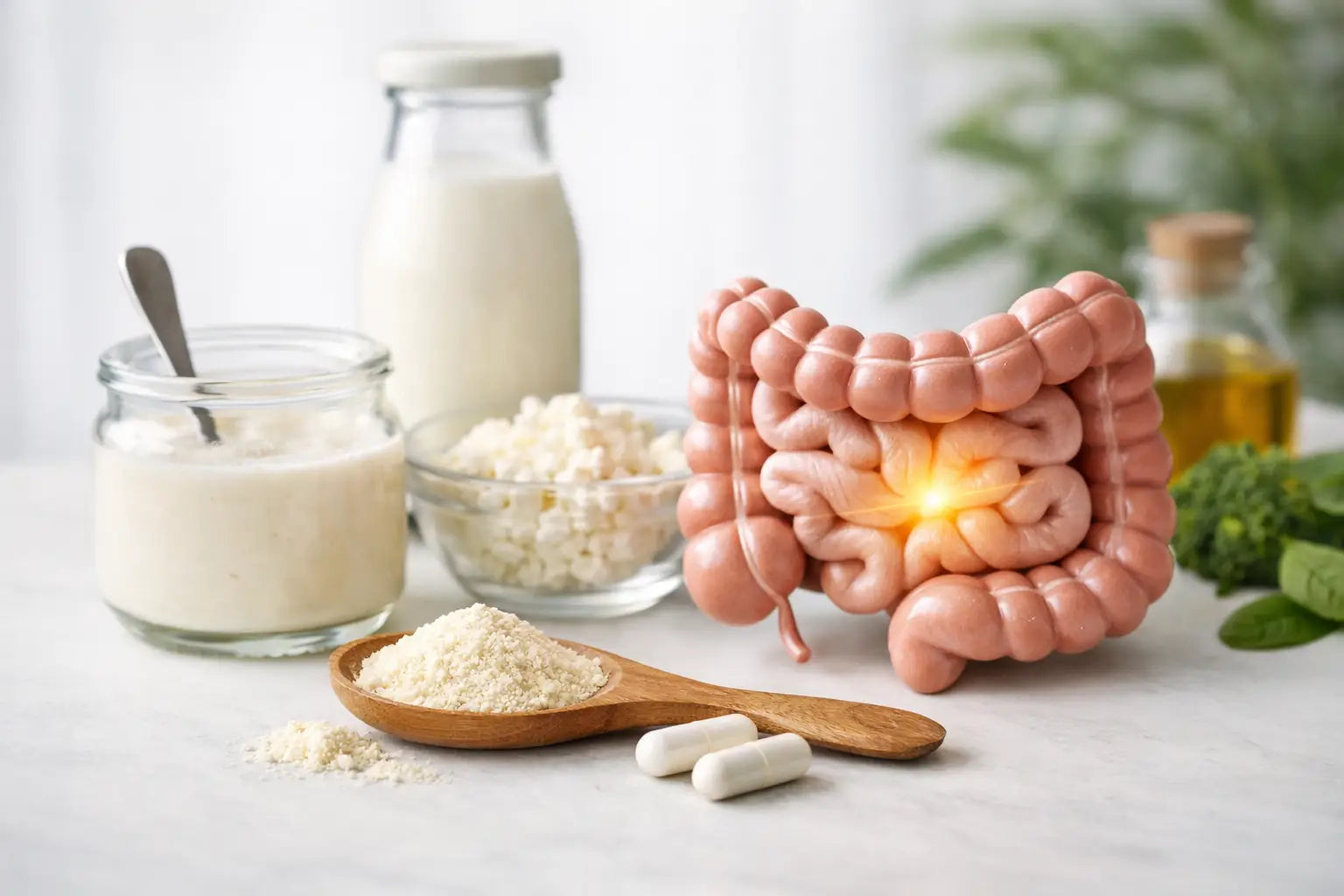
Your gut bacteria do more than react to the food you eat. When the right microbes ferment certain fibers, they create compounds that can help your gut lining, immune system, and metabolic signals do their jobs. This butyrate benefits guide breaks down one of the biggest players: a short-chain fatty acid your gut can make every day.
Butyrate is not a trendy add-on with a flashy label. It is a postbiotic, meaning it is a beneficial compound produced by microbes. Think of it as one of the useful end products of a well-fed microbiome. The catch? Your body makes more of it when the right bacteria have the right fuel.
What is butyrate, exactly?
Butyrate, also called butyric acid, is a short-chain fatty acid made primarily in the large intestine. It is produced when beneficial gut microbes ferment fibers and resistant starches that make it past digestion in the small intestine.
Your colon cells use butyrate as a preferred energy source. That alone makes it worth understanding. Rather than merely passing through, butyrate helps fuel the cells that form the protective barrier between what is inside your digestive tract and the rest of your body.
This is why gut health is bigger than whether you had a comfortable bathroom visit this morning. Your microbiome is an active chemical factory. Feed it poorly, and its output changes. Feed it strategically, and it can produce more of the compounds associated with a resilient gut environment.
Butyrate benefits: where the science gets interesting
Butyrate is not a cure-all, and no single postbiotic can replace sleep, food quality, movement, or medical care. Still, research has made it a standout in conversations about digestive and whole-body wellness.
It helps support the gut barrier
Your intestinal lining is supposed to be selective. It lets nutrients move into circulation while helping keep unwanted material contained in the digestive tract. The cells lining the colon need energy to maintain that job, and butyrate helps provide it.
Butyrate may also support tight junctions, the protein structures that help neighboring intestinal cells stay properly connected. A healthy barrier is one reason people increasingly look beyond standard probiotics. It is not only about adding bacteria. It is also about supporting what beneficial bacteria produce.
It can support regular, comfortable digestion
Fiber is famous for helping keep things moving, but part of its value comes from fermentation. When fiber reaches the colon, certain microbes convert it into short-chain fatty acids, including butyrate.
That process can support a healthier colonic environment and normal bowel function. Results depend on the person, though. If you suddenly double your fiber intake, more gas and bloating can happen before your gut adapts. The smart play is gradual progress, not a fiber overload by Monday.
It communicates with immune activity
A large share of immune activity is connected to the gut. Butyrate helps shape the environment where immune cells interact with the intestinal lining and microbial community. Research suggests it can influence inflammatory signaling and support immune balance.
“Balance” matters here. A healthy immune system is not one that is permanently switched on. It is one that responds when needed and settles appropriately afterward. Diet, stress, alcohol intake, sleep, medications, and existing health conditions all influence that equation.
It may play a role in metabolic health
The gut sends signals far beyond the bathroom. Short-chain fatty acids are being studied for their relationship to appetite regulation, glucose metabolism, energy use, and body composition. Butyrate is part of that conversation because it can interact with pathways involved in metabolic signaling.
That does not mean butyrate melts belly fat or overrides an overall lifestyle. It means your microbiome may be one overlooked piece of the metabolism puzzle. For people focused on body composition, better gut support can be a practical foundation - especially when it helps make high-fiber eating more sustainable.
It is connected to the gut-brain conversation
Your gut and brain are in constant communication through nerves, immune messengers, hormones, and microbial metabolites. Butyrate is being researched for its role in that communication, including its potential effects on inflammation and brain-related signaling.
The evidence is promising, but mood is complex. A postbiotic is not a replacement for mental health support, prescribed treatment, or the basics like sleep and meaningful connection. What it can do is reinforce the idea that digestive health and how you feel are not separate worlds.
How to help your gut make more butyrate
You do not need a complicated microbiome protocol. You need a consistent supply of fermentable plant foods and an approach your digestion can actually tolerate.
Start with dietary fiber, especially from varied plant sources. Beans, lentils, oats, barley, apples, berries, onions, garlic, asparagus, nuts, seeds, and vegetables all contribute different kinds of fiber. Variety matters because different microbes prefer different substrates.
Resistant starch deserves special attention. It is starch that resists digestion in the small intestine and reaches the colon, where microbes can ferment it. Foods such as slightly green bananas, cooked-and-cooled potatoes or rice, oats, beans, and lentils can provide it. You do not need to eat cold rice forever. Reheating it is fine - some resistant starch remains after cooling.
The practical goal is not perfection. If your current diet is low in fiber, add one meaningful change at a time: oats at breakfast, beans a few times each week, a piece of fruit with an afternoon snack, or an extra vegetable at dinner. Drink adequate fluids while increasing fiber, and give your system a week or two to adjust.
Where prebiotics, probiotics, and postbiotics fit
A well-rounded gut strategy is often more useful than a single-ingredient mindset. Prebiotics are the fuel, usually fibers that beneficial microbes ferment. Probiotics are live microorganisms that may offer a benefit at an effective dose. Postbiotics are beneficial compounds or preparations related to microbial activity, including the metabolites those microbes make.
Butyrate sits in the postbiotic conversation, but it also depends heavily on the prebiotic side. Taking a probiotic without giving your microbes enough plant diversity is a little like adding new employees to a workplace with no supplies. They still need the right conditions to do useful work.
That is why a tribiotic approach can make sense for busy people who want more than a basic probiotic routine. It recognizes that gut health is an ecosystem: feed the microbes, support the microbial community, and value the beneficial outputs.
Should you take a butyrate supplement?
Butyrate supplements exist, often in forms designed to help the ingredient reach the lower digestive tract. They may be worth discussing with a qualified clinician if you have specific digestive concerns or have been advised to use one.
For most people, food-first habits are still the foundation. Supplements cannot fully replicate the broad spectrum of fibers, polyphenols, vitamins, and other compounds found in a plant-rich diet. Some people also notice digestive effects when beginning a new supplement, and butyrate itself can have a famously strong smell depending on the format.
Extra caution is wise if you are pregnant, nursing, managing a chronic digestive condition, immunocompromised, or taking medications. Persistent abdominal pain, unexplained weight loss, blood in stool, major bowel changes, or ongoing diarrhea deserve medical attention rather than a self-directed supplement experiment.
A better way to think about butyrate
The real win is not chasing a single molecule. It is building a daily routine that gives your microbiome more opportunities to work for you. A fiber-rich meal, a consistent supplement habit when appropriate, better sleep, and less all-or-nothing wellness thinking can add up.
Your gut does not need a punishment plan. It needs useful inputs, repeated often enough for your microbes to turn them into something good.

By GG – your glam guide to gut health, dishing the microbiome gossip straight from the Upper Intestine
🗽✨
Read more
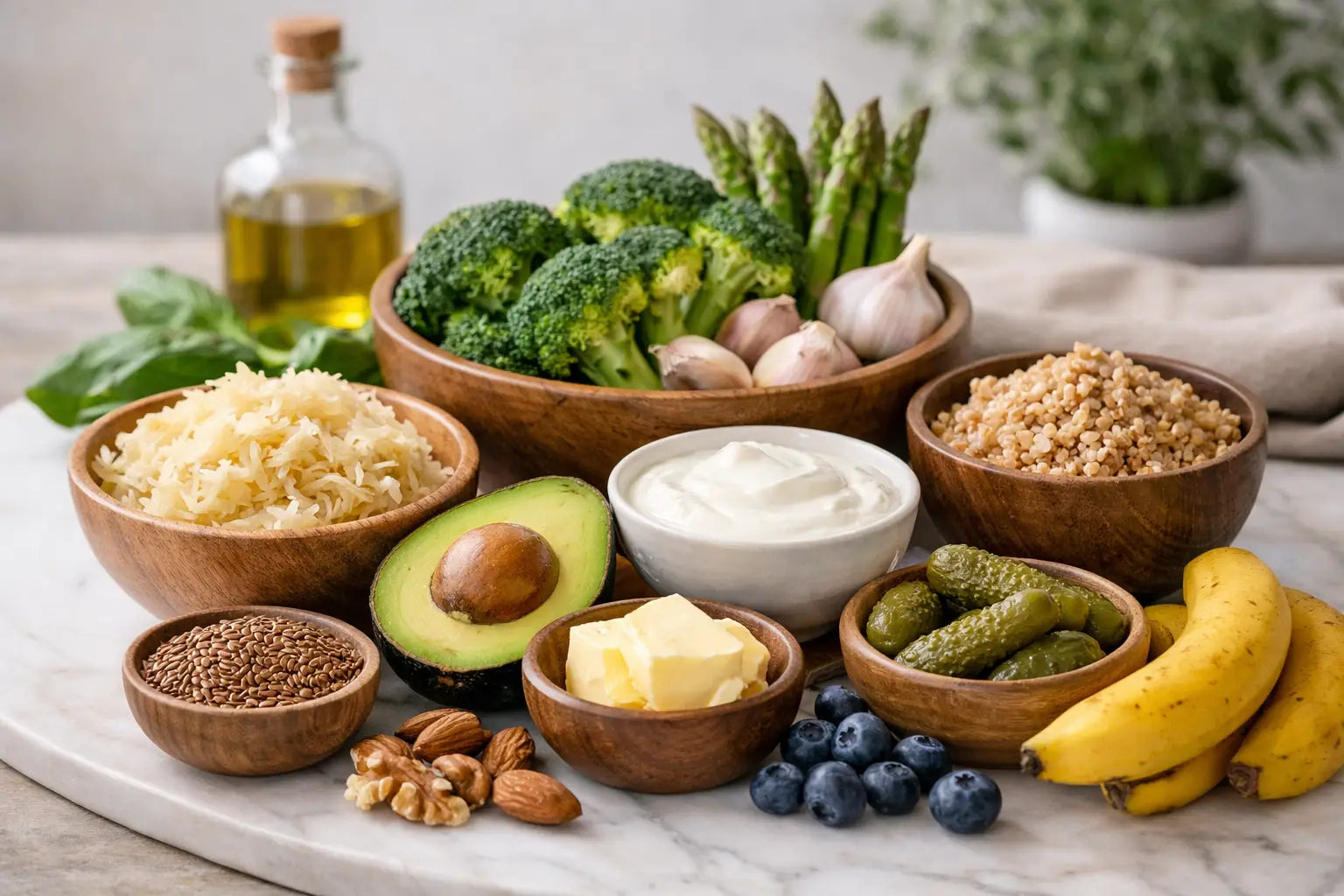
Learn how to increase butyrate naturally with resistant starch, fiber-rich plants, and gut-smart habits that help your beneficial microbes thrive daily.

Learn how to support microbiome health with smarter food, sleep, stress, and supplement habits that help your gut feel its best with simple daily habits.
Leave a comment
All comments are moderated before being published.
This site is protected by hCaptcha and the hCaptcha Privacy Policy and Terms of Service apply.