


Your immune system does not operate from some sealed-off command center. A huge portion of its activity happens right alongside your gut microbiome: the trillions of microbes living in your digestive tract. So, do probiotics help immunity? They can - but the real answer is more interesting than a simple yes or no.
The right probiotic strains may support parts of the immune response, especially when paired with the food, fiber, sleep, and daily habits that help beneficial gut microbes thrive. But not every probiotic does the same thing, and a label with a giant CFU number is not automatically an immune-health win.
Do Probiotics Help Immunity? Yes, With a Catch
Probiotics are live microorganisms that may provide a health benefit when consumed in adequate amounts. Some are well studied for digestive comfort, while others have been studied for their ability to support immune function, including the body’s response to common seasonal challenges.
Your gut lining is a major meeting point between the outside world and your internal systems. It has to let nutrients through while helping keep potentially harmful microbes and irritants in check. Gut microbes help train immune cells to tell the difference between a genuine threat and something harmless, like food particles.
That does not mean probiotics act like a force field. They will not prevent every cold, replace vaccines, or compensate for chronic sleep deprivation and a low-fiber diet. Think of them as one useful input in a much bigger immune picture.
Research suggests certain probiotic strains may help support normal immune signaling and, in some cases, modestly reduce the frequency or duration of upper respiratory symptoms. The details matter: benefits are strain-specific, dose-specific, and different from person to person.
Why Your Gut Has So Much to Do With Immune Health
A large share of the body’s immune activity is connected to the gut. That makes sense when you consider the job description. Every day, your digestive system encounters food, bacteria, viruses, and environmental compounds. It needs a smart security team, not an alarm system that goes off at everything.
A balanced microbiome helps support that calm, responsive environment in a few key ways.
First, beneficial microbes can compete with less-helpful organisms for space and nutrients. This is often called colonization resistance. A more diverse, well-fed microbial community is generally harder for unwanted visitors to dominate.
Second, gut microbes produce metabolites, including short-chain fatty acids, when they ferment certain fibers. These compounds help nourish cells lining the colon and can support the integrity of the gut barrier. A healthy barrier matters because it helps keep the conversation between the gut and immune system appropriately regulated.
Third, microbes interact with immune cells and influence chemical messengers involved in immune communication. This is where the science gets exciting, but it is also where marketing can get messy. Supporting the gut microbiome is not the same as claiming to “boost” immunity without limits. More immune activity is not always better. What most people want is a well-regulated immune response: alert when it needs to be, calm when it does not.
Probiotic Benefits Depend on the Strain
“Probiotic” is a category, not a promise. Two products can both contain probiotics and still have very different effects because they use different species, strains, doses, delivery formats, and supporting ingredients.
Common groups include Lactobacillus and Bifidobacterium, but the full name matters. A strain is like a specific address within a bacterial family. Evidence for one strain cannot automatically be applied to every product with a similar-sounding name.
When you are evaluating an immune-focused supplement, look past flashy front-label claims. Ask whether the product identifies the strains used, provides a meaningful dose through the end of shelf life, and explains why those ingredients belong together. Transparency beats mystery blends every time.
It is also worth knowing that probiotics do not have to permanently move into your gut to be useful. Some may interact with the existing microbiome and immune system while they pass through. Consistency is often more relevant than chasing a one-time mega-dose.
Why a Tribiotic Approach Makes Sense
Probiotics get most of the attention, but they are only one piece of the microbiome puzzle. The microbes need fuel, and their beneficial byproducts matter too.
Prebiotics are fibers and compounds that feed helpful microbes already living in your gut. Postbiotics are beneficial compounds produced by microbes, or in some contexts, non-living microbial preparations that can still interact with the body. Together, prebiotics, probiotics, and postbiotics form a tribiotic approach.
That matters because your gut ecosystem is not a single-player game. Adding live bacteria without considering their environment is a little like adding houseplants to a dark room and skipping the water. Prebiotics can help feed a healthier community, while postbiotics may provide additional support even when live organisms face the usual challenges of processing, storage, and digestion.
A full-spectrum formula such as The Gut Gummy’s GG-360™ is built around this broader idea: make microbiome support easier to take consistently rather than treating gut health as another complicated wellness chore.
What Probiotics Can and Cannot Do
A smart immune routine leaves room for both optimism and reality. Probiotics may support digestive balance and normal immune function, particularly for people whose routines, travel, stress levels, or diets put pressure on the gut. Some people also notice changes in regularity, bloating, or general digestive comfort before they notice anything related to immunity.
Still, probiotics are not a cure for recurrent infections, autoimmune conditions, food allergies, or serious digestive symptoms. If you are getting sick unusually often, losing weight without trying, seeing blood in your stool, dealing with persistent fever, or experiencing severe abdominal pain, skip the supplement guessing game and talk with a clinician.
People who are severely immunocompromised, critically ill, or using certain medical treatments should also check with their healthcare team before adding probiotics. They are generally well tolerated by many healthy adults, but “natural” does not mean right for every situation.
How to Build an Immunity-Friendly Gut Routine
Supplements work best when the basics are not working against them. You do not need a perfect diet or a refrigerator full of fermented foods. You need repeatable inputs your microbiome can recognize.
Start with fiber variety. Beans, oats, berries, apples, leafy greens, nuts, seeds, and whole grains offer different types of fuel for gut microbes. If your current fiber intake is low, increase gradually and drink enough water. Going from almost no fiber to a mountain of lentils overnight is a fast track to feeling gassy, not virtuous.
Next, protect your sleep. Short or inconsistent sleep can affect immune function and may influence the gut microbiome as well. Aim for a schedule that is realistic enough to repeat, even on weekends.
Then make movement part of the plan. Regular walking, strength training, cycling, dancing, or whatever movement you will actually do can support overall metabolic and immune health. It does not need to be extreme to count.
Finally, choose a daily gut supplement you can stick with. A gummy format is not just a fun detail. If it helps turn microbiome support into a habit you remember, that convenience has real value.
How Long Does It Take to Notice a Difference?
There is no universal timeline. Some people notice digestive changes within days or a few weeks, while immune-related benefits are harder to feel in real time. You are not likely to wake up and think, “My immune signaling is spectacular today.”
Give a new routine several weeks of consistent use, while paying attention to the bigger picture: digestion, regularity, energy, food intake, sleep, and stress. If a product causes persistent discomfort, stop taking it and reassess. More is not always better, especially when prebiotic fibers are involved.
The most powerful immune support is rarely a dramatic hack. It is the quiet daily stuff: nourishing your gut, sleeping enough, moving your body, managing stress where you can, and choosing tools that make those habits easier to keep. Your microbiome is listening to your routine, one day at a time.

By GG – your glam guide to gut health, dishing the microbiome gossip straight from the Upper Intestine
🗽✨
Read more
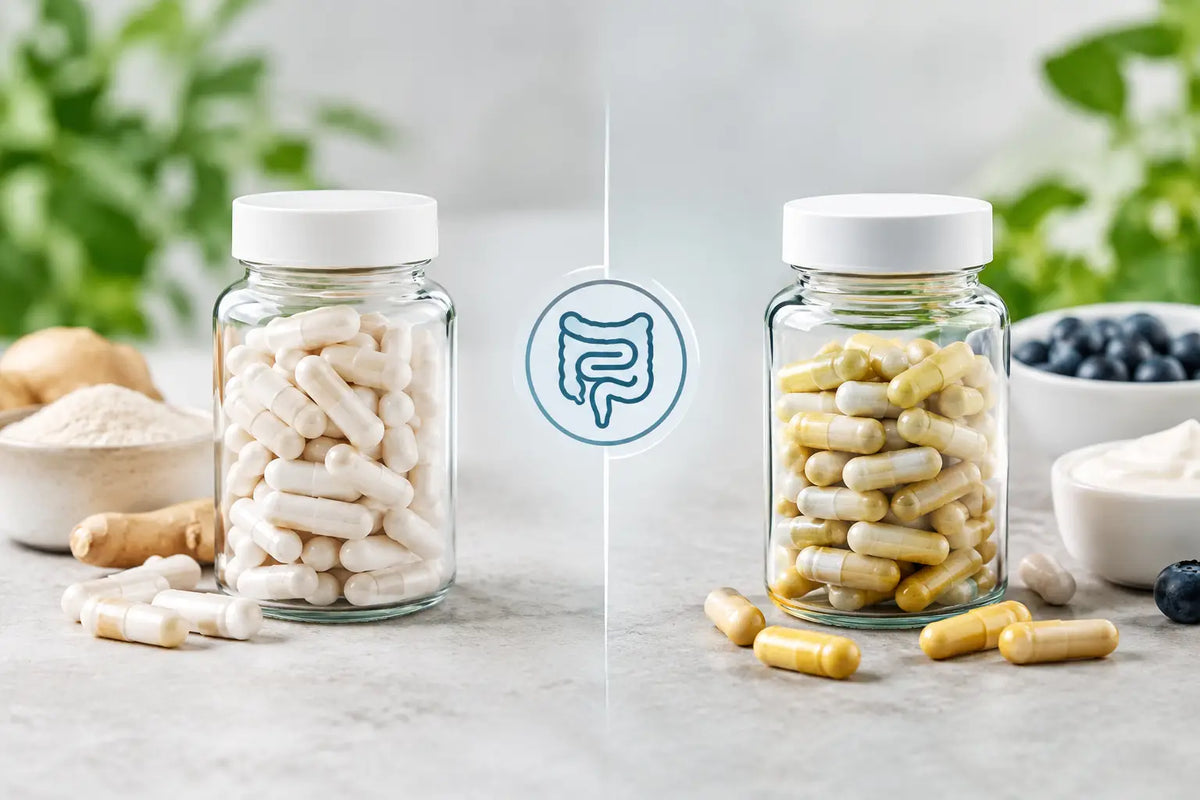
Tribiotics versus synbiotics: see how prebiotics, probiotics, and postbiotics work together and choose a smarter daily gut health supplement today.
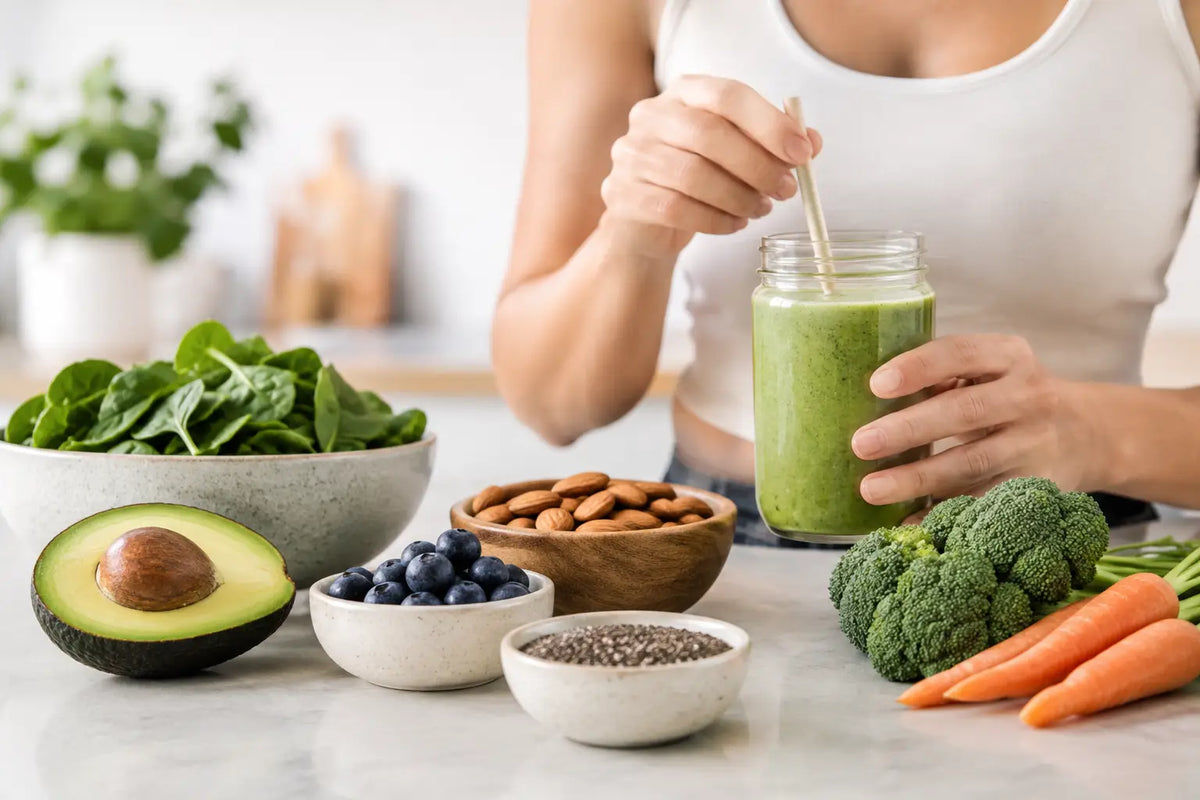
Learn how to improve nutrient absorption with food pairings, gut-friendly habits, and simple timing shifts that help your body use more from every bite.
Leave a comment
All comments are moderated before being published.
This site is protected by hCaptcha and the hCaptcha Privacy Policy and Terms of Service apply.