

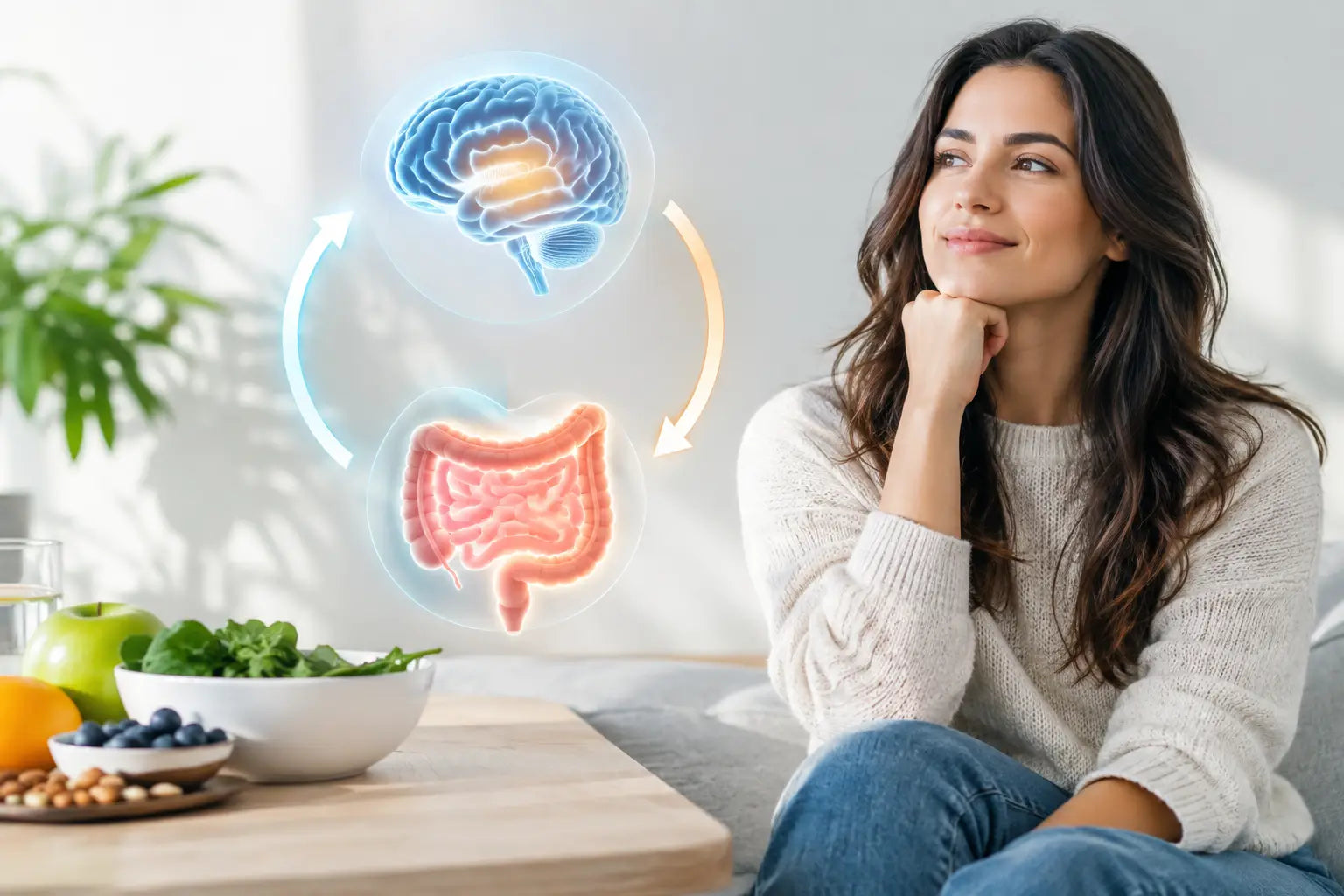
Your stomach drops before a big presentation. A stressful week leaves you bloated, irregular, or suddenly craving sugar. A few restless nights make everything feel harder. That is the gut-brain connection in real life - and this gut brain connection guide is here to make the science useful, not scary.
Your gut is not just where food goes. It is home to trillions of microbes, a dense network of nerves, and an immune system command center that constantly exchanges messages with your brain. When that conversation is supported, you may feel it in your digestion, energy, mood, focus, and resilience. When it is disrupted, your body often speaks up fast.
What the Gut-Brain Connection Actually Means
The gut-brain axis is a two-way communication system between your digestive tract and your brain. Messages travel through several routes at once: the vagus nerve, hormones, immune signals, and compounds made when gut microbes process food.
That last part matters. Your microbiome - the community of bacteria and other microorganisms in your gut - helps break down certain fibers into short-chain fatty acids. These compounds can support the gut lining and influence immune activity. Gut microbes also interact with pathways involved in neurotransmitters, the chemical messengers connected to mood, sleep, appetite, and stress response.
This does not mean a single food can erase anxiety or that every bad mood starts in your colon. Human health is bigger and more complicated than that. But it does mean your digestive habits and your mental state are not operating in separate lanes. They are on the same team, whether they are playing well together or not.
Stress talks to your gut
Your brain can change how your gut behaves within minutes. Stress may affect gut motility, sensitivity, digestion, and the balance of the microbiome. For some people, that looks like urgent bathroom trips. For others, it is constipation, nausea, reflux, or a stomach that feels tight and unsettled.
Then the loop can run in reverse. Ongoing digestive discomfort can make you more vigilant, more fatigued, and less likely to sleep well. The goal is not to eliminate stress - not realistic, not necessary. The goal is to give your system more recovery signals than alarm signals.
Gut Brain Connection Guide: Start With Your Daily Inputs
You do not need a 14-step morning routine or a fridge full of fermented mystery jars. Consistency beats intensity here. A healthier gut-brain rhythm is built through ordinary choices repeated often enough to matter.
Feed more than yourself
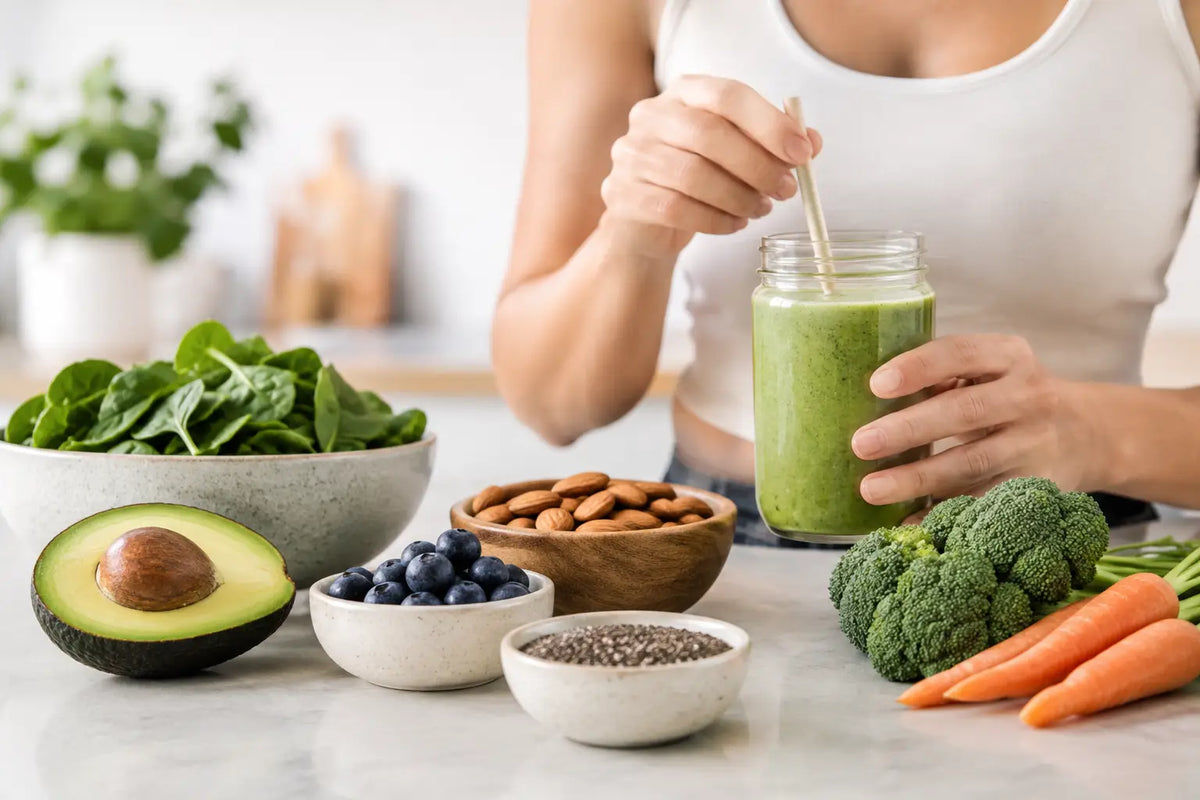
When you eat plant fibers, you are also feeding the microbes that live in your gut. Different plants offer different fibers and natural compounds, so variety is a power move.
Aim to regularly rotate beans, oats, berries, leafy greens, apples, nuts, seeds, whole grains, onions, garlic, and vegetables you genuinely enjoy. If your current diet is low in fiber, go gradually. Adding a mountain of beans overnight can create the exact bloat you are trying to avoid. Increase portions slowly, drink enough water, and give your gut time to adjust.
Prebiotic fibers are especially interesting because they selectively nourish beneficial microbes. Yet more is not always better. People with sensitive digestion, IBS, or active bloating may need a more personalized approach, particularly with highly fermentable foods.
Make meals less chaotic
Your gut responds to more than ingredients. Speed, stress, and schedule matter too. Eating while answering emails, rushing through lunch, or grazing all evening can make it harder to notice hunger and fullness cues.
Try one low-pressure change: sit down for one meal a day without your phone, take a few slow breaths before the first bite, and chew a little more than usual. It sounds almost too simple, but it sends a useful signal to your nervous system: food is arriving, and it is safe to digest it.
A predictable meal pattern can help some people feel steadier as well. That does not require eating at identical times every day. It means avoiding the swing between skipping food all day and eating a giant, late-night meal when you are depleted.
Protect sleep like it is part of your nutrition plan
A short night can amplify stress, cravings, and low-energy food decisions the next day. It may also affect the microbiome over time. Sleep is not a luxury add-on to gut health. It is one of the conditions that helps your whole system regulate.
Start with the move most likely to stick: a consistent wake time, less late-night alcohol, a caffeine cutoff that works for your body, or 30 minutes without bright screens before bed. Perfection is not required. A few better nights per week can still shift how you feel.
Move your body to change the message
Movement supports circulation, stress regulation, and healthy bowel motility. You do not have to crush an intense workout for it to count. A 10-minute walk after a meal, a dance break between meetings, or strength training a few times a week can all be meaningful inputs.
If high-intensity exercise leaves your digestion feeling worse, scale it back and notice the pattern. More effort is not automatically more supportive. Your best routine is the one that leaves you feeling energized rather than wrung out.
Where Tribiotics Fit In
Food and lifestyle are the foundation, but supplementation can be a practical tool when your routine needs backup. The key is knowing what you are taking and why.
Probiotics are live microorganisms that may offer benefits when consumed in adequate amounts. Prebiotics are compounds, often fibers, that feed beneficial microbes. Postbiotics are beneficial compounds produced through microbial fermentation or included in a finished formula. A tribiotic brings those categories together to support the ecosystem from more than one angle.
That full-spectrum approach is why a product such as The Gut Gummy's GG-360™ can fit into a simple daily routine for people who want gut support without juggling powders and capsules. It is not a replacement for fiber-rich meals, sleep, or stress care. Think of it as one more consistent signal that supports the bigger picture.
Results vary because microbiomes vary. Your starting diet, medications, travel schedule, sleep, stress load, and individual biology all shape the response. Give any routine enough time to evaluate, and change one or two variables at a time so you can tell what is helping.
Signs Your System May Need More Support
The gut-brain axis does not come with a dashboard, but patterns are clues. Occasional digestive changes are normal. Repeated symptoms are worth paying attention to.
You might notice that stress reliably triggers bloating or bathroom changes, that certain meals leave you foggy and drained, or that poor sleep seems to affect your appetite and digestion the next day. Keeping a simple two-week note on meals, sleep, stress, movement, and symptoms can reveal more than guessing ever will.
Do not self-diagnose serious symptoms as a microbiome issue. Persistent abdominal pain, unexplained weight loss, blood in stool, fever, vomiting, severe diarrhea, or a major change in bowel habits deserves medical attention. The same goes for significant anxiety or low mood. Gut support can be helpful, but professional care belongs in the plan when your body is waving a bigger flag.
Build a Calmer Conversation Between Gut and Brain
The most effective gut-brain routine is usually the least dramatic one. Add a plant food you like. Take a walk after dinner. Put your phone down while you eat. Keep a supportive supplement habit where you will actually remember it. Then repeat.
Your gut and brain are talking all day long. Give them a few better messages this week, and let small signals of progress - a calmer stomach, steadier energy, a more regular routine - be your reason to keep going.

By GG – your glam guide to gut health, dishing the microbiome gossip straight from the Upper Intestine
🗽✨
Read more
Learn how to improve nutrient absorption with food pairings, gut-friendly habits, and simple timing shifts that help your body use more from every bite.

Fermented foods versus probiotic supplements: learn what each delivers for your gut, where they fall short, and how to build a smarter daily routine today.
Leave a comment
All comments are moderated before being published.
This site is protected by hCaptcha and the hCaptcha Privacy Policy and Terms of Service apply.