

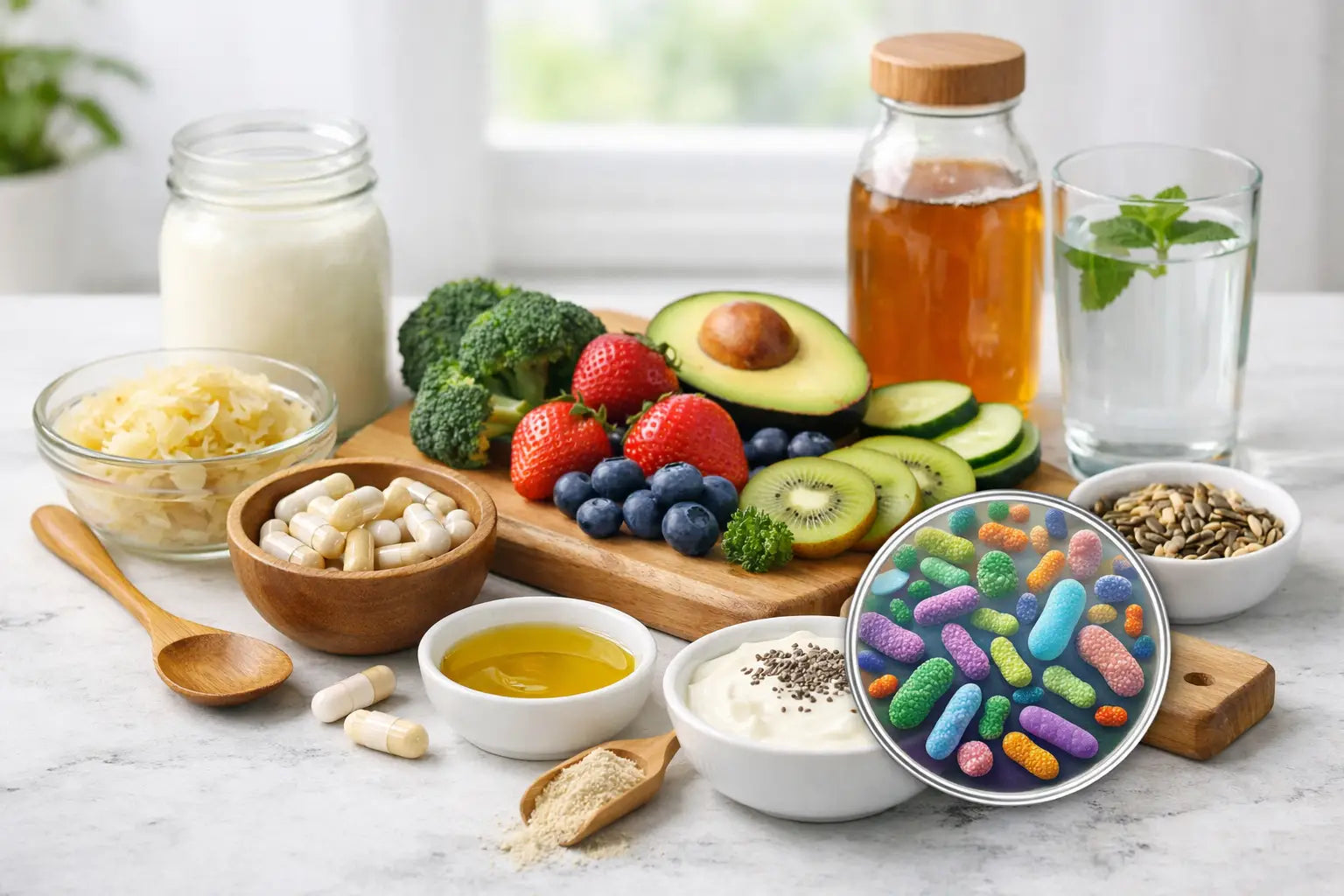
Your gut is home to trillions of microbes, and they are not just along for the ride. This busy internal ecosystem helps break down parts of your food, supports the gut barrier, communicates with immune cells, and may influence everything from regularity to how energized you feel. If you are wondering how to support microbiome health without turning your life into a full-time wellness project, start here: consistency beats perfection.
A healthy microbiome is not about chasing one magic food, eliminating every carb, or taking a cabinet full of supplements. It is about giving beneficial microbes the raw materials and daily conditions they need to thrive. Think more plants, more variety, better recovery, and fewer habits that constantly throw your gut off balance.
Why Your Microbiome Deserves Daily Attention
Your microbiome is the community of bacteria, fungi, viruses, and other microorganisms living in and on your body. The largest and most studied community lives in the large intestine. While the word “bacteria” can sound like bad news, many gut microbes are helpful partners. They ferment certain fibers, produce beneficial compounds called short-chain fatty acids, and help maintain a healthy intestinal environment.
The goal is not to have the same microbiome as someone else. There is no single perfect gut profile. Your microbiome is shaped by genetics, age, diet, medications, sleep, stress, travel, and even your environment. What matters most is supporting diversity and resilience - the ability of your gut ecosystem to adapt when life gets messy.
That matters because the gut is connected to much more than digestion. A large share of the body’s immune activity takes place around the gut, and the gut-brain connection is real. Feeling bloated after every meal, struggling with irregularity, or noticing that stress seems to land directly in your stomach can all be signals worth paying attention to. They are not a diagnosis, but they are useful feedback.
How to Support Microbiome Health With Food
Food is the most frequent message you send your gut. Every meal is an opportunity to feed either a wider range of microbes or the same narrow group on repeat. You do not need a flawless diet. You need more variety over time.
Feed Your Good Gut Bugs With Fiber
Fiber is not one thing. Different plant foods contain different fibers, and those fibers can nourish different microbial species. When microbes ferment certain fibers, they create compounds that help support the lining of the colon and a balanced gut environment.
Aim to add, rather than restrict. Add berries to breakfast. Add beans or lentils to a soup, taco bowl, or salad. Swap one refined-grain serving for oats, quinoa, brown rice, or whole-grain bread when it works for you. Vegetables, fruit, legumes, nuts, seeds, and whole grains all count.
If your current fiber intake is low, do not go from zero to a mountain of beans overnight. That is a fast track to gas and discomfort. Increase gradually, drink enough fluids, and give your digestive system a week or two to adjust. For people with IBS, inflammatory bowel disease, or a history of digestive symptoms, the best fiber approach can be more personal. A registered dietitian or clinician can help you find foods that feel good instead of forcing a trend.
Make Plant Variety Your Weekly Win
A simple target: eat a broad range of plant foods across the week. That includes familiar options, not just exotic superfoods. Apples, onions, spinach, black beans, pistachios, oats, coffee, herbs, and dark chocolate can all contribute plant compounds to your diet.
Variety matters because different microbes prefer different fuel sources. Rotating your produce and trying new legumes or grains keeps your menu from becoming a microbiome monoculture. Frozen vegetables and fruit are completely fair game. So are canned beans - rinse them if sodium is a concern, then make dinner easier.
Include Fermented Foods If They Agree With You
Yogurt with live cultures, kefir, kimchi, sauerkraut, miso, and tempeh can add live microbes and fermentation-derived compounds to your routine. They are not required, and they are not automatically right for everyone. Some people are sensitive to fermented foods, especially during certain digestive flare-ups.
Start with a small serving and see how you feel. Choose lower-sugar yogurt when possible, and remember that not every pickled food is fermented. Vinegar-pickled cucumbers are delicious, but they are not the same as naturally fermented pickles with live cultures.
Protect the Habits That Protect Your Gut
Your microbiome does not clock out when you finish lunch. The daily basics that support the rest of your body also help create a more stable gut environment.
Sleep is a big one. Short, inconsistent sleep can disrupt the rhythms that influence digestion, appetite, and the gut-brain connection. You do not need a perfect eight-hour score every night. Try a consistent wake-up time, dimmer lights before bed, and a cutoff for the doom-scroll that keeps your nervous system switched on.
Stress management is not fluffy advice when your gut is involved. Your brain and digestive tract communicate constantly through nerves, hormones, and immune signals. When stress is high, some people notice urgency, constipation, nausea, or bloating. A daily walk, strength workout, breath practice, phone-free meal, or ten quiet minutes outside can be a practical gut-support move.
Movement helps, too. Regular activity supports normal digestion and can help you tune in to what your body needs. You do not need to punish yourself with intense workouts. The best routine is one you can repeat: walking after meals, lifting a few days a week, dancing in your kitchen, or taking the stairs on a busy day.
Alcohol, ultra-processed foods, and frequent sugary drinks do not need to be banned forever. But a pattern built around them can crowd out fiber-rich foods and leave your gut with less of what it needs. The upgrade is not all-or-nothing. Build your plate around real food most of the time, then enjoy the rest without the guilt spiral.
Where Prebiotics, Probiotics, and Postbiotics Fit
The supplement aisle makes gut health sound complicated. Here is the useful version: prebiotics are compounds, often fibers, that feed beneficial microbes. Probiotics are live microorganisms that may offer a health benefit when taken in adequate amounts. Postbiotics are beneficial compounds made through microbial fermentation or derived from microbes.
They can each play a different role. A standard probiotic may be useful for a specific goal, but it is not a replacement for fiber, sleep, or a varied diet. It also is not one-size-fits-all. Benefits depend on the specific strain, dose, product quality, and the person taking it. A probiotic that helps one person may not change much for another.
That is why a full-spectrum approach can make sense for people who want simple, consistent support. A tribiotic combines prebiotics, probiotics, and postbiotics in one daily habit. The Gut Gummy™ GG-360™ was designed around that bigger-picture idea: gut support that fits real life, not another complicated routine.
If you are pregnant, immunocompromised, managing a health condition, or taking prescription medication, talk with a qualified healthcare professional before starting a new supplement. And if you develop severe abdominal pain, unexplained weight loss, blood in your stool, persistent vomiting, fever, or a major change in bowel habits, get medical guidance promptly rather than trying to supplement your way through it.
Build a Gut Routine You Will Actually Keep
The most powerful microbiome routine is the one that survives busy Mondays, travel days, restaurant dinners, and weeks when motivation disappears. Start with one or two anchors. Maybe that is adding a fruit-and-oats breakfast, keeping beans in the pantry, taking a 15-minute walk after dinner, or choosing one daily gut supplement you will remember.
Then track how you feel for a few weeks. Notice your energy, regularity, bloating, and meal-to-meal comfort without obsessing over every fluctuation. Your gut does not need a dramatic reset. It needs a little more support, delivered often enough to matter.
Give your microbes better fuel, give your nervous system room to breathe, and let your daily habits do the heavy lifting. Small gut-friendly choices may not look flashy, but they are exactly how a healthier-feeling routine starts to stick.

By GG – your glam guide to gut health, dishing the microbiome gossip straight from the Upper Intestine
🗽✨
Read more
This butyrate benefits guide explains how this gut-made postbiotic may support digestion, the gut barrier, immunity, and everyday metabolic health, too.

Learn how to choose synbiotic supplements with clear labels, effective strains, prebiotic fibers, and a routine your gut can actually stick with daily.
Leave a comment
All comments are moderated before being published.
This site is protected by hCaptcha and the hCaptcha Privacy Policy and Terms of Service apply.