

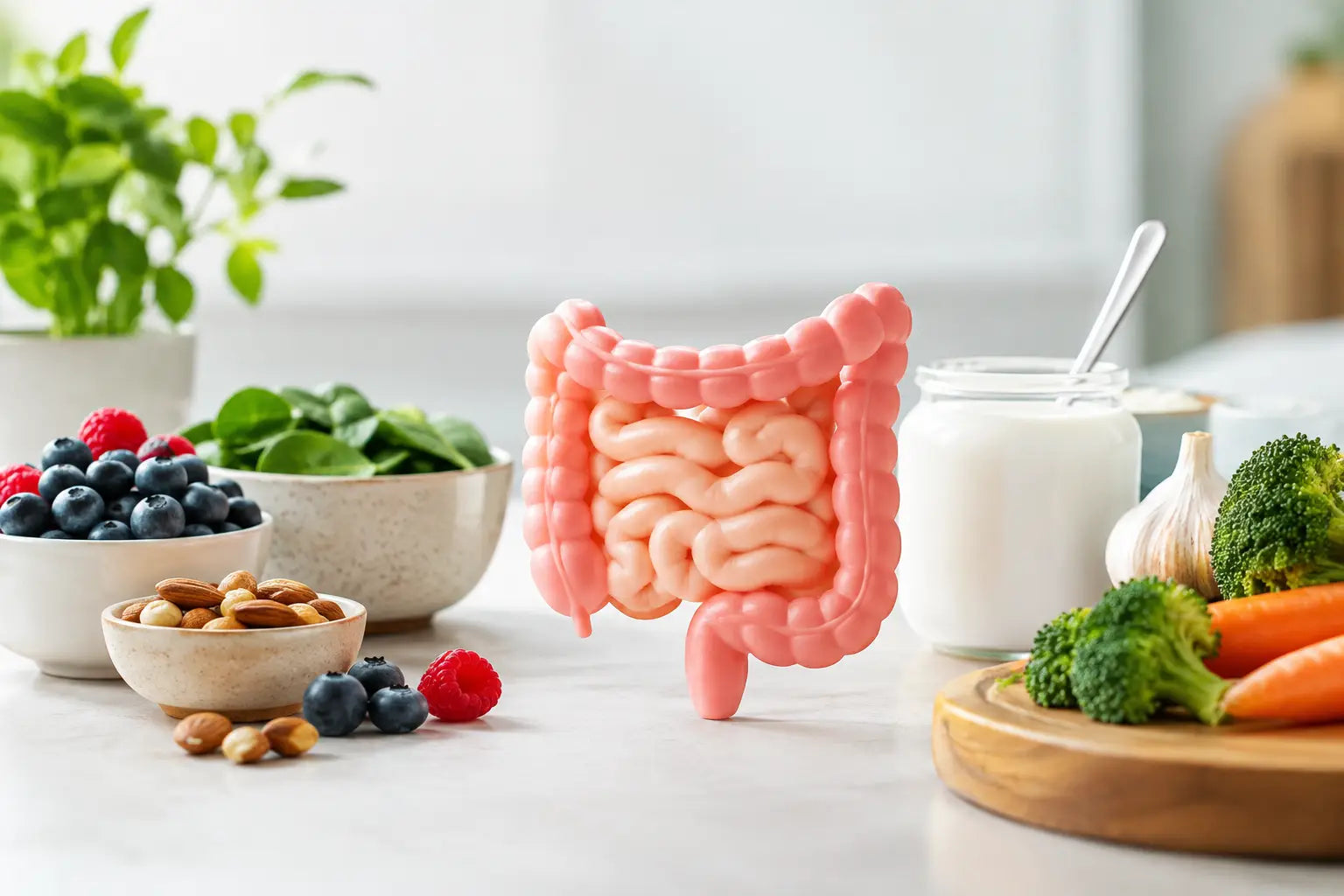
Your gut is not just where food goes after lunch. It is home to a busy ecosystem of bacteria, fungi, and other microbes that helps process food, communicate with your immune system, and produce compounds your body uses every day. This microbiome wellness beginners guide is for anyone who wants to feel less confused by gut-health hype and more confident about what to do next.
You do not need a fridge full of fermented foods or a 14-step supplement schedule. The most effective approach is usually less dramatic: give your gut microbes the conditions they need to thrive, then repeat those habits long enough to let them matter.
What microbiome wellness actually means
Your gut microbiome is the community of microorganisms living mostly in your large intestine. Some microbes help break down dietary fiber that your own digestive enzymes cannot handle. In return, they create short-chain fatty acids and other compounds that help support the gut barrier, metabolism, and healthy immune function.
That is why gut wellness can show up as more than regular digestion. Your gut and brain are in constant conversation through nerves, immune signals, and microbial byproducts. Your microbiome also helps train the immune system to respond appropriately. A calmer, more resilient gut ecosystem can support how you feel day to day, but it is not a magic fix for every symptom or health goal.
Microbiome wellness is not about eliminating every microbe. It is about building diversity and balance. Think of it as tending a garden, not sterilizing a kitchen counter.
Start with the signals your body is sending
Bloating after every meal, irregular bathroom habits, persistent discomfort, or major changes in stool can make gut health feel urgent. Sometimes the answer is as simple as eating too quickly, not getting enough fiber, or shifting your routine. Sometimes it is a food intolerance, medication effect, infection, or medical condition that deserves professional care.
A useful first step is to notice patterns for one or two weeks. Pay attention to meal timing, fiber intake, hydration, sleep, stress, bowel regularity, and how you feel after particular foods. You are looking for clues, not trying to diagnose yourself from a notes app.
See a clinician promptly for blood in your stool, unexplained weight loss, severe or worsening pain, ongoing vomiting, fever, black stools, or a sudden persistent change in bowel habits. Wellness habits are powerful, but they are not a substitute for medical evaluation when red flags are present.
The microbiome wellness beginner's guide to eating for your gut
Fiber is the headline act because it is fuel for many beneficial gut microbes. Yet the goal is not to go from almost no fiber to a huge bowl of beans overnight. That can create a very gassy plot twist.
Instead, add one fiber-rich food at a time and give your digestion several days to adjust. Oats at breakfast, berries in yogurt, lentils in a soup, a handful of nuts, or an extra vegetable at dinner can all count. Variety matters because different plants contain different fibers and polyphenols, which feed different microbial communities.
Aim to rotate your plants across the week rather than obsessing over a perfect daily menu. Fruits, vegetables, beans, whole grains, nuts, seeds, herbs, spices, and even coffee and tea can bring useful plant compounds to the table. If you have IBS, inflammatory bowel disease, or a history of restrictive eating, personal guidance from a registered dietitian can help you increase fiber more comfortably.
Fermented foods can be another tool, not a requirement. Foods such as yogurt with live cultures, kefir, kimchi, sauerkraut, and miso may add live microbes and fermentation byproducts to your diet. The trade-off is that some people are sensitive to certain fermented foods, sodium levels, or ingredients like garlic and onion. Start small and pay attention to your own response.
Just as important: eat enough. Chronically under-fueling, skipping meals because you are overwhelmed, or cycling through restrictive cleanses can make digestion more unpredictable. Your gut tends to prefer steady, adequately nourished routines over nutritional chaos.
Your daily habits feed the gut too
Food gets most of the microbiome attention, but your schedule has a seat at the table. Poor sleep and ongoing stress can affect digestion, appetite, and gut-brain signaling. That does not mean you need a flawless bedtime routine. It means your gut notices when your nervous system never gets a break.
Try creating one small downshift around meals. Sit down when possible. Take a few breaths before eating. Put your phone aside for the first five minutes. Chew more than you think you need to. These are not trendy rituals. They can help your body shift into a state that is more ready to digest.
Movement matters, too. Regular walking, strength training, cycling, dancing, or whatever movement you can genuinely stick with supports metabolic health and may benefit microbial diversity. The best workout for your gut is not the most punishing one. It is the one you recover from and repeat.
Hydration is equally unglamorous and equally useful. Fiber needs fluid to do its job well. If you are increasing fiber, increase water gradually alongside it, especially if constipation is part of the picture.
Where probiotics, prebiotics, and postbiotics fit
The supplement aisle makes gut health look like a one-word decision: probiotic. The reality is more interesting.
Probiotics are live microorganisms that may provide a benefit at an adequate dose. Their effects are strain-specific, meaning one strain is not automatically interchangeable with another. A probiotic that helps in one situation may not be the best fit for another.
Prebiotics are ingredients, often fibers, that nourish certain beneficial microbes already living in your gut. Postbiotics are beneficial compounds produced through microbial fermentation or derived from microbes. Together, these three categories are often called tribiotics.
For beginners, a tribiotic approach can make sense because it looks beyond simply adding live bacteria. The key is choosing a formula with transparent ingredients and a role that fits your routine. If you are sensitive to fermentable fibers, start slowly. More is not always better, particularly when your gut is already irritated.
The Gut Gummy™ brings prebiotics, probiotics, and postbiotics together in a simple daily gummy for people who want broader microbiome support without turning their wellness routine into a chemistry project. A supplement works best as a consistent supporting habit, not as permission to ignore sleep, food quality, stress, or symptoms that need care.
Skip the gut-health extremes
You do not need a cleanse to “reset” your microbiome. Your gut is dynamic. It responds to what you do repeatedly, not just what you do during three intense days of green juice.
Be skeptical of promises to permanently eliminate bloating, melt belly fat, or fix every mood issue by changing your gut bacteria. The microbiome is influential, but it is only one part of a much bigger picture that includes hormones, genetics, medications, activity, medical history, and the food you can realistically access and enjoy.
Antibiotics are another area where nuance matters. They can be lifesaving and absolutely necessary, but they can also temporarily alter the gut microbiome. Take them only as prescribed, and do not stop a course early without medical guidance. Afterward, return to the basics: regular meals, diverse plants, hydration, sleep, and patience.
Build a routine you can actually keep
Start with one food habit and one lifestyle habit. For example, add a different fruit or vegetable to your day and take a 10-minute walk after dinner. Once that feels automatic, add another layer, such as a fiber-forward breakfast or a consistent tribiotic supplement.
Give changes time. A few days may be enough to notice shifts in regularity or bloating, but meaningful patterns often take several weeks. Track how you feel with curiosity rather than judgment. Your goal is not a perfect gut. It is a gut routine that makes you feel supported, energized, and more at home in your body.
The smartest first move is often the least flashy: choose one small action you can repeat tomorrow, then let consistency do the heavy lifting.

By GG – your glam guide to gut health, dishing the microbiome gossip straight from the Upper Intestine
🗽✨
Read more
Learn the best postbiotic benefits for digestion, immune support, gut balance, and daily energy, plus how to choose a smarter gut-health routine today.

Probiotic gummy ingredient reviews reveal what matters: strains, prebiotics, postbiotics, sugar, and stability - so you can choose with confidence, daily.
Leave a comment
All comments are moderated before being published.
This site is protected by hCaptcha and the hCaptcha Privacy Policy and Terms of Service apply.