


Your gut is not just reacting to lunch. It is responding to your sleep, stress level, movement, medications, travel plans, and every snack grabbed between meetings. That is why a useful microbiome support guide cannot be a two-day cleanse or a single “good bacteria” capsule. Real support is built through repeatable daily signals that help your gut ecosystem do its job.
Your microbiome is home to trillions of microorganisms, and the balance of that community can influence far more than bathroom regularity. The gut is deeply connected with immune function, digestion, metabolic health, and the gut-brain connection. When your routine is working against it, you may feel that friction as bloating, unpredictable digestion, low energy, cravings, or a general sense that your body is off.
What Microbiome Support Actually Means
Microbiome support means creating conditions that help beneficial microbes survive, grow, and produce helpful compounds. It is less about chasing perfection and more about giving your gut consistent inputs it can use.
That matters because the most helpful gut strategy is rarely a one-note strategy. Probiotics can add beneficial live microorganisms. Prebiotics provide fuel for beneficial microbes already in the gut. Postbiotics are beneficial compounds made during microbial fermentation, including short-chain fatty acids that help support the gut environment. Together, these three categories are often called a tribiotic approach.
A microbiome that gets only a probiotic may benefit. But a microbiome also needs fuel and follow-through. Think of it this way: adding new plants to a garden is not enough if the soil is dry and nothing gets watered.
Start With Fiber Variety, Not Food Fear
Fiber is one of the clearest daily ways to support your gut microbes. Many beneficial bacteria ferment certain fibers, producing compounds that can help nourish the intestinal lining and support a balanced gut environment. Yet most Americans do not get enough fiber, and even fewer get it from a wide range of plant foods.
The goal is not to suddenly eat a mountain of raw kale. A rapid fiber jump can create more gas and discomfort, especially if your digestion is already sensitive. Start low, go slowly, and give your system a week or two to adapt.
Build more variety by rotating foods such as oats, beans, lentils, berries, apples, leafy greens, onions, garlic, nuts, seeds, and whole grains. Frozen and canned options count. So do simple upgrades: berries in yogurt, beans added to soup, chia in a smoothie, or a side of roasted vegetables at dinner.
Plant diversity can matter as much as your total fiber number. A wider mix of plant foods delivers different types of fibers and polyphenols, which can support a more diverse microbial community. No, you do not need to count every leaf. Aim to make your plate a little more colorful and varied across the week.
Fermented Foods Can Be a Smart Addition
Foods like yogurt with live cultures, kefir, kimchi, sauerkraut, miso, and tempeh can fit beautifully into a gut-supportive routine. They are not magic, and they are not ideal for everyone. Some people with histamine sensitivity, reflux, or certain digestive conditions may feel worse with fermented foods.
If they agree with you, start with small portions. Plain yogurt at breakfast or a forkful of kimchi with a meal is plenty. Choose options with minimal added sugar when possible, especially with yogurt drinks and flavored products.
Your Daily Microbiome Support Guide: Think Beyond Food
What happens outside the kitchen can change the gut’s operating conditions. The gut and brain communicate constantly, which is why a stressful week can show up in your digestion fast. You cannot supplement your way out of chronic sleep deprivation, nonstop stress, or a schedule with zero movement.
Sleep is a major player. Inconsistent or short sleep can affect appetite signals, food choices, stress response, and gut patterns. You do not need a perfect bedtime routine with seventeen steps. Try a realistic anchor: keep your wake-up time relatively consistent, dim screens before bed, and protect enough time for sleep most nights.
Movement supports digestion too. A 10-minute walk after meals can be a practical place to begin, especially if your workday is mostly seated. Regular movement may help support gut motility, blood sugar balance, and stress management - all useful inputs for the microbiome.
Then there is stress. Stress is not a personal failure, and it cannot always be eliminated. But small nervous-system resets can change the way your body moves through the day. Take a few slow breaths before meals, step outside between tasks, or eat one meal without scrolling. Boring? Maybe. Effective? Often more than people expect.
Where Supplements Fit In
A supplement should make a strong foundation easier to maintain, not turn wellness into homework. For people who want targeted support without juggling powders, capsules, and a complicated timing schedule, a comprehensive tribiotic formula can be a useful daily tool.
The Gut Gummy™ GG-360™ is designed around that bigger-picture idea, combining prebiotics, probiotics, and postbiotics in one convenient gummy format. A formula like this is not a substitute for food quality, hydration, or medical care. It is a way to add consistent support to the routine you are already building.
When evaluating any microbiome supplement, look beyond the front-label hype. Consider the strains or ingredients used, whether the formula fits your goals, how it is meant to be taken, and whether you can actually stick with it. The best routine is not the most complicated one. It is the one you will do on ordinary Tuesdays.
Give Your Gut Time to Respond
Gut changes are rarely linear. You may feel different quickly, particularly if you are improving hydration, meal regularity, and fiber intake. But meaningful shifts in habits and digestion can take several weeks. Expect some adjustment when you introduce more fiber or a new supplement, including temporary gas or changes in stool frequency.
More is not always better. If discomfort becomes intense, persistent, or disruptive, scale back and talk with a qualified healthcare professional. This is especially important if you have inflammatory bowel disease, IBS, SIBO concerns, are pregnant, are immunocompromised, or take medications that could affect digestion.
The Habits That Quietly Undercut Gut Progress
You do not need to ban pizza, coffee, or dessert to care for your microbiome. The bigger issue is pattern, not a single meal. Long stretches of low-fiber eating, erratic meals, heavy alcohol intake, chronic stress, poor sleep, and unnecessary antibiotic use can all make gut support harder.
Antibiotics are sometimes essential and can be lifesaving. They also affect gut bacteria because they are designed to act on bacteria. If your clinician prescribes them, take them as directed. Rather than fearing them, focus on rebuilding supportive habits afterward with a gradual return to fiber-rich foods, hydration, and a routine that feels sustainable.
Be wary of dramatic gut “resets.” Extreme cleanses, restrictive detoxes, and aggressive fasting protocols can create short-term scale changes while leaving you under-fueled, stressed, or more reactive around food. Your microbiome tends to respond better to steady nourishment than punishment disguised as wellness.
Make It Easy Enough to Repeat
The strongest microbiome routine is usually delightfully unglamorous: eat more varied plants, increase fiber gradually, drink enough water, move most days, sleep consistently, and use a well-chosen tribiotic supplement if it serves your needs. Stack these habits onto things you already do. Add your gummy beside your toothbrush. Keep fruit visible. Take a short walk when you finish lunch.
Your gut is not asking for a flawless lifestyle. It is asking for better signals, more often. Give it those signals consistently, and let the small choices compound into a routine that feels good from the inside out.

By GG – your glam guide to gut health, dishing the microbiome gossip straight from the Upper Intestine
🗽✨
Read more
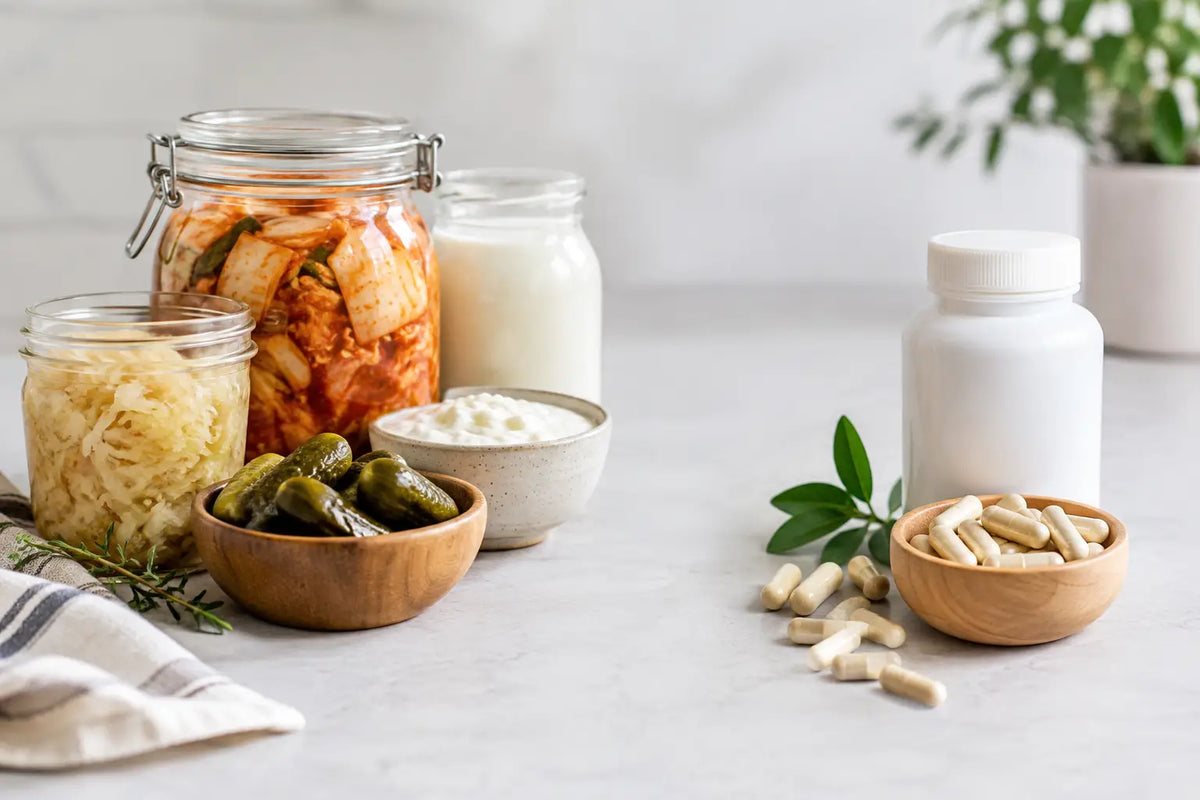
Fermented foods versus probiotic supplements: learn what each delivers for your gut, where they fall short, and how to build a smarter daily routine today.

Looking for the best supplements for stress and digestion? Learn which ingredients may support the gut-brain axis, plus smart ways to choose with care.
Leave a comment
All comments are moderated before being published.
This site is protected by hCaptcha and the hCaptcha Privacy Policy and Terms of Service apply.