


Your gut does much more than process lunch. It is home to trillions of microorganisms that interact with your food, immune system, metabolism, and the chemical signals traveling between your gut and brain. Microbiome health is not a niche wellness concern. It is a daily foundation for how comfortable, energized, and in-sync you feel in your body.
That does not mean every bloated afternoon or restless night is a microbiome emergency. Bodies are complicated. But when digestion feels unpredictable, your energy is flat, or your routine has been heavy on stress, ultra-processed food, and takeout, your gut is a smart place to give a little more attention.
What microbiome health actually means
Your microbiome is the community of bacteria, fungi, viruses, and other microorganisms that live on and inside your body. The gut microbiome gets most of the attention because it is highly active: it helps break down parts of food you cannot digest on your own, produces useful compounds, and communicates with systems throughout the body.
A healthy microbiome is not about having one "perfect" bacterial strain or trying to eliminate every microbe that sounds scary. It is more about diversity, balance, and resilience. In practical terms, that means supporting beneficial microbes with the foods and habits they need while avoiding the all-or-nothing mindset that makes wellness feel exhausting.
Your personal baseline matters, too. Travel, sleep changes, medications, hormones, illness, stress, and diet can all shift the microbiome. That is why someone can tolerate a big restaurant meal with zero drama while someone else feels uncomfortable for two days. The goal is not gut perfection. The goal is a gut that can adapt.
Why your gut can show up everywhere else
The gut is often called the center of the body’s immune activity, and for good reason. The intestinal lining is a major boundary between the outside world and the inside of your body. Microbes and their byproducts help train immune responses, which is one reason gut health belongs in a whole-body wellness conversation.
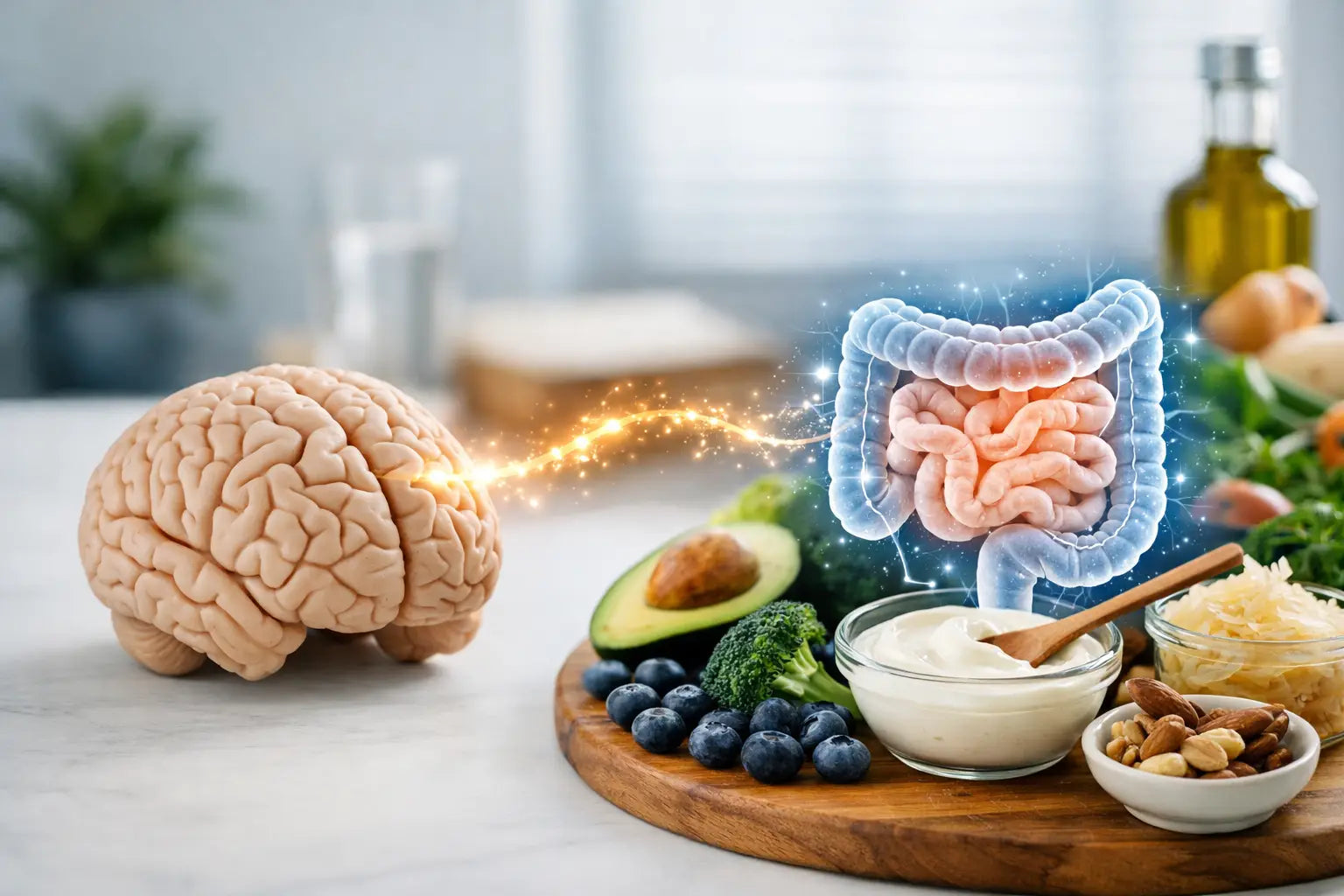
The gut-brain connection matters, too. Your digestive tract and brain communicate through nerves, immune signals, and microbial metabolites. The gut also plays a role in producing and processing compounds involved in mood-related pathways. That does not mean a probiotic gummy can replace mental health care, sleep, or therapy. It does mean your food, digestion, and stress levels are more connected than they may seem.
Then there is metabolism. Gut microbes help ferment certain fibers into short-chain fatty acids, including butyrate. These compounds can support the gut environment and are being studied for their wider role in metabolic health. For people focused on body composition or reducing the feeling of a stubborn bloated belly, the answer is rarely one magic food. Consistent microbiome-friendly habits can be one meaningful piece of the bigger picture.
The daily habits that support microbiome health
Feed the good guys more variety
Fiber is not just about staying regular. Many types of fiber act as fuel for beneficial gut microbes. When those microbes ferment fiber, they create compounds that help support the gut ecosystem.
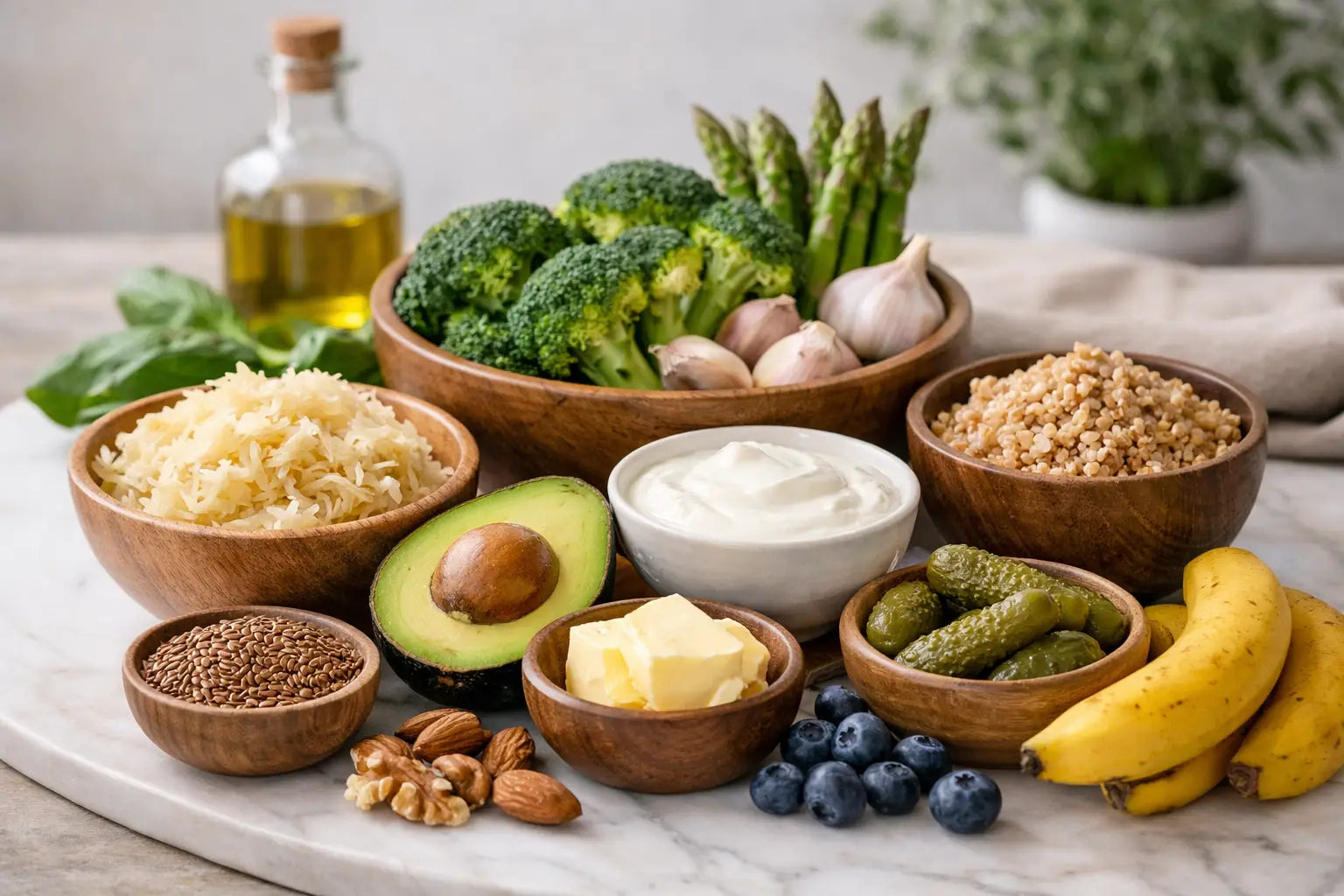
Variety is the power move. Instead of obsessing over a single superfood, rotate plants across your week: berries, beans, oats, lentils, leafy greens, apples, onions, garlic, nuts, seeds, and whole grains. Different plants contain different fibers and polyphenols, so a more varied plate gives more members of your microbial community something to work with.
If your current fiber intake is low, do not go from zero to a mountain of beans overnight. Rapid increases can mean more gas and discomfort. Add one extra fiber-rich food at a time, drink enough water, and let your gut adjust.
Make room for fermented foods if they work for you
Yogurt with live cultures, kefir, sauerkraut, kimchi, and kombucha can introduce beneficial microbes or fermentation byproducts into the diet. They are not mandatory, and they are not equally helpful for every person. Some options are high in sodium or added sugar, while fermented foods may aggravate symptoms for people with certain digestive sensitivities.
Think of them as an option, not an assignment. Plain yogurt with berries, a forkful of sauerkraut alongside a meal, or a low-sugar kefir smoothie can be easy places to start.
Stop treating stress like a side note
Your gut notices the pace of your life. Stress can influence digestion, appetite, motility, sleep, and food choices, creating a loop that is hard to ignore. You do not need a perfect meditation practice to interrupt that loop.
A 10-minute walk after meals, slower eating, a phone-free dinner, or a realistic bedtime can all help create a little more calm around digestion. Small habits count because they are repeatable. The best gut routine is not the most complicated one. It is the one you can still do during a busy week.
Use antibiotics thoughtfully
Antibiotics can be essential and lifesaving when prescribed for a bacterial infection. They can also affect a broad range of gut bacteria, which is why using them only when medically appropriate matters. Never skip or stop a prescribed medication based on a wellness article. If antibiotics are part of your care, ask your clinician about supporting digestion before, during, and after treatment.
Where prebiotics, probiotics, and postbiotics fit
Most people recognize probiotics, which are live microorganisms included in certain foods and supplements. But probiotics are only one part of the gut-support conversation.
Prebiotics are compounds, often specific fibers, that nourish beneficial microbes already living in your gut. Postbiotics are beneficial compounds made through microbial fermentation or derived from microbes. Together, these three categories are often called tribiotics.
That full-spectrum approach makes sense because your microbiome is an ecosystem, not a one-strain project. A probiotic may be helpful in a specific context, but it still needs a supportive environment. Prebiotics can help feed that environment, while postbiotics offer another way to support the conversation between microbes and the body.
Supplement quality and fit matter. Not every probiotic strain has the same research behind it, and a product that works well for one goal may not be the right choice for another. Look for transparent ingredients, thoughtful formulations, and directions you can actually follow. A convenient daily format also helps, because consistency beats a cabinet full of products you forget to take.
That is the idea behind The Gut Gummy™ GG-360™: a tribiotic gummy designed to bring prebiotics, probiotics, and postbiotics into one easy daily ritual. It is not a substitute for a varied diet or medical care, but it can make gut support feel far less like homework.
When gut symptoms deserve more than a wellness reset
Some discomfort is common, especially after travel, a major meal, or a stressful stretch. Persistent or severe symptoms should not be brushed off as a "bad gut." Talk with a healthcare professional if you experience unexplained weight loss, blood in stool, persistent vomiting, severe abdominal pain, ongoing diarrhea or constipation, fever, or symptoms that interfere with daily life.
The same goes for sudden changes that do not improve. Microbiome health is exciting science, but self-diagnosis has limits. Getting clarity is a power move.
Your next step can be refreshingly simple: add one more plant food to tomorrow’s plate, drink water with it, and take a few slower breaths before you eat. Your gut does not need a dramatic overhaul. It responds to the signals you send it, one ordinary day at a time.

By GG – your glam guide to gut health, dishing the microbiome gossip straight from the Upper Intestine
🗽✨
Read more
This gut brain axis guide explains how your microbiome, nerves, food, sleep, and stress shape digestion, mood, and practical daily wellness choices today.
Learn how to increase butyrate naturally with resistant starch, fiber-rich plants, and gut-smart habits that help your beneficial microbes thrive daily.
Leave a comment
All comments are moderated before being published.
This site is protected by hCaptcha and the hCaptcha Privacy Policy and Terms of Service apply.