

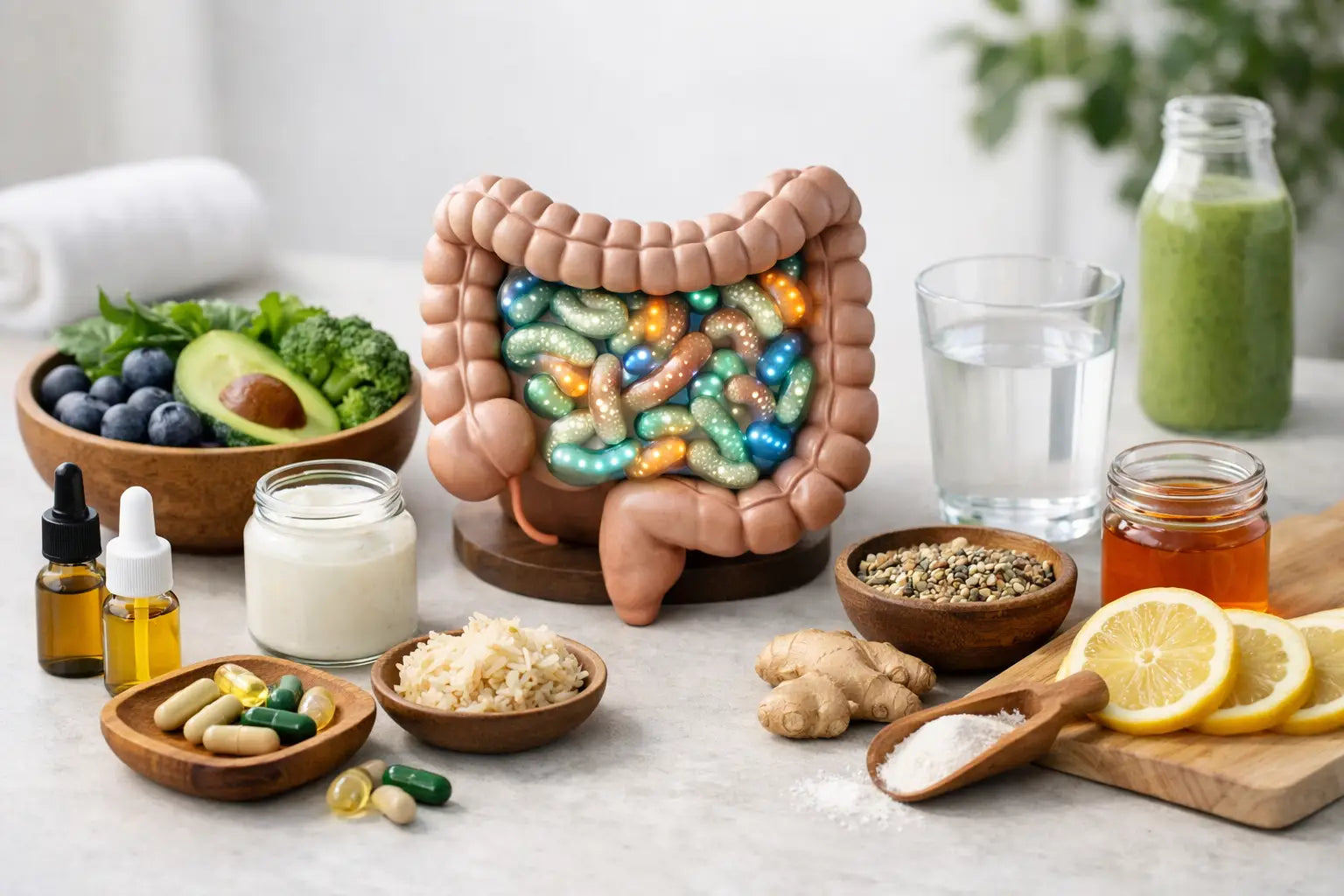
That bloated-by-3-p.m. feeling, the irregular bathroom schedule, the random energy crash, the mood slump that makes no sense - your gut may be in the middle of it. If you are looking for real ways to improve your gut microbiome, the goal is not perfection. It is giving the trillions of microbes in your gut a better environment to do their job.
And that job is bigger than digestion. Your gut microbiome helps influence immune function, nutrient metabolism, regularity, and even signals tied to mood. A healthier gut does not come from one magic food or a trendy reset. It comes from small, repeatable inputs that push your internal ecosystem in a better direction.
Why improving your gut microbiome changes more than your digestion
Your microbiome is made up of bacteria, fungi, and other microbes living mostly in the large intestine. Some help break down fibers your body cannot digest on its own. Some produce beneficial compounds like short-chain fatty acids, which help support the gut lining and play a role in inflammation and metabolic health.
This is why gut health has become a whole-body conversation. Roughly 70 percent of the immune system is connected to the gut, and the gut-brain connection is real. That does not mean every symptom traces back to your microbiome. It does mean your daily habits can either support this system or keep working against it.
1. Feed your microbes more fiber, not just more probiotics
People love the idea of adding good bacteria. Far fewer think about feeding the good bacteria already there. That is where fiber and prebiotic-rich foods matter.
Foods like oats, beans, lentils, onions, garlic, asparagus, apples, berries, and slightly green bananas help provide the raw material your beneficial microbes thrive on. When they ferment certain fibers, they create compounds that can help support the gut barrier and healthier digestion.
The trade-off is simple. If your current diet is low in fiber, going from almost none to a giant salad and a bowl of beans overnight can backfire. More gas does not always mean damage, but it can mean your gut needs a slower ramp-up. Add fiber gradually and increase water alongside it.
2. Eat a wider variety of plants each week
A more diverse diet tends to support a more diverse microbiome. That matters because microbial diversity is often associated with resilience. In plain English, a wider range of beneficial microbes may help your gut adapt better to stress, diet shifts, and everyday life.
This does not mean you need to become a full-time farmers market person. It means rotating your plant foods instead of eating the same three vegetables on repeat. Mix up your fruits, beans, whole grains, nuts, seeds, and herbs. Different plants contain different fibers and polyphenols, which feed different microbial strains.
If you want one of the easiest ways to improve your gut microbiome, start counting variety instead of chasing dietary perfection.
3. Make fermented foods a regular thing if your gut tolerates them
Fermented foods can introduce beneficial microbes and fermentation byproducts that may support the gut environment. Yogurt with live cultures, kefir, kimchi, sauerkraut, miso, and kombucha are common examples.
The key phrase here is if your gut tolerates them. Some people feel great adding fermented foods. Others notice bloating, reflux, or sensitivity, especially with larger portions or highly acidic options. Start small. A few spoonfuls of yogurt or sauerkraut is a very different experiment than forcing down a giant glass of kombucha.
Consistency matters more than going big for two days and then forgetting about it.
4. Cut back on the foods that crowd out the good stuff
Your microbiome responds to what you eat often, not what you eat once. A pattern built around ultra-processed foods, excess added sugar, and low-fiber meals can make it harder for beneficial microbes to thrive.
This is not a speech about never eating dessert again. It is about ratios. If most of your meals are built from protein, plants, healthy fats, and fiber-rich carbs, your gut gets a better daily signal. If most of your intake comes from packaged snack foods and drive-thru meals, your microbes are getting a very different message.
A useful mindset is addition before restriction. Add what supports the microbiome first, and many less-helpful choices naturally take up less space.
5. Rethink how you use antibiotics and other gut-disrupting habits
Antibiotics can be lifesaving. They also do not discriminate very well between harmful bacteria and helpful ones. That is why they can disrupt the gut microbiome, sometimes for weeks or longer.
This does not mean avoiding antibiotics when you truly need them. It means not treating them casually and talking with your healthcare provider about appropriate use. The same common-sense approach applies to other gut disruptors, including heavy alcohol intake, chronic sleep deprivation, and high stress living on a loop.
One rough weekend will not ruin your microbiome. A repeated pattern can absolutely shift it.
6. Sleep like your gut depends on it
It does. Your gut microbiome follows daily rhythms, and poor sleep can throw those rhythms off. Skimping on sleep also affects hormones tied to appetite, stress, and blood sugar regulation, which can shape food choices and digestion the next day.
If your schedule is chaotic, do not get stuck chasing an ideal routine you cannot maintain. Start by making your sleep and wake times more consistent. Cut the late-night screen spiral when you can. Keep caffeine from drifting too far into the afternoon. Small upgrades in sleep quality can create a ripple effect in the gut.
7. Lower stress before it shows up in your stomach
You have probably felt this in real time. Stress hits, digestion changes. The gut-brain connection is not wellness fluff. Your nervous system and digestive system are in constant conversation.
When stress is chronic, gut motility, sensitivity, and even the microbial environment can shift. That does not mean meditation is a cure-all. It means stress management belongs in any serious conversation about gut health.
Walking after meals, breath work, strength training, therapy, journaling, and getting outside can all help regulate the stress load. The best method is the one you will actually keep doing.
8. Move your body consistently
Exercise is one of the most underrated ways to improve your gut microbiome because people tend to think of it only through the lens of calories or appearance. Regular movement may support microbial diversity, healthier digestion, and better metabolic function.
You do not need extreme workouts to earn gut benefits. In fact, too much high-intensity training without enough recovery can be stressful for some people. A mix of walking, resistance training, mobility work, and a few more challenging sessions each week tends to be a realistic sweet spot.
Your gut likes consistency more than heroics.
9. Use smarter supplementation when food alone is not enough
Food is foundational, but modern life is not always microbiome-friendly. Travel, stress, convenience eating, inconsistent routines, and past antibiotic use can all make gut support feel harder than it should.
That is where supplementation can make sense, especially when it is more comprehensive than a single-strain probiotic. Prebiotics help feed beneficial microbes. Probiotics add helpful strains. Postbiotics provide beneficial compounds produced through microbial activity. Together, that tribiotic approach makes more sense than treating the microbiome like a one-note system.
This is also why delivery format matters. If capsules and powders end up forgotten in your cabinet, they are not helping much. A simple daily format can make the difference between knowing what to do and actually doing it. That is part of the thinking behind products like The Gut Gummy, which package microbiome support into an easier habit.
How to know if your gut microbiome habits are working
The gut is not a machine that gives instant feedback on command. Some people notice less bloating, more regular bowel movements, and steadier energy within a couple of weeks. For others, the shift is slower and more subtle.
Look for patterns, not miracles. Better regularity. Less digestive drama after meals. Fewer extreme cravings. More consistency in how you feel day to day. Those changes count.
If your symptoms are severe, persistent, or getting worse, get medical support. Ongoing pain, blood in the stool, unexplained weight loss, chronic diarrhea, or significant constipation deserve more than a wellness article.
The best ways to improve your gut microbiome are the ones you will repeat
There is no prize for having the most complicated routine. Your microbiome does not need a 14-step protocol. It needs better inputs, delivered often enough to matter.
Start with one or two changes you can keep this week. Add more plants. Eat more fiber. Sleep a little earlier. Walk after dinner. Choose a gut support routine you will actually remember. Your gut is always responding, and that is good news - because it means every smart habit counts.

By GG – your glam guide to gut health, dishing the microbiome gossip straight from the Upper Intestine
🗽✨
Read more

Learn how gut health and radiant, younger looking skin are connected, and what daily habits may support calmer digestion and a clearer glow.
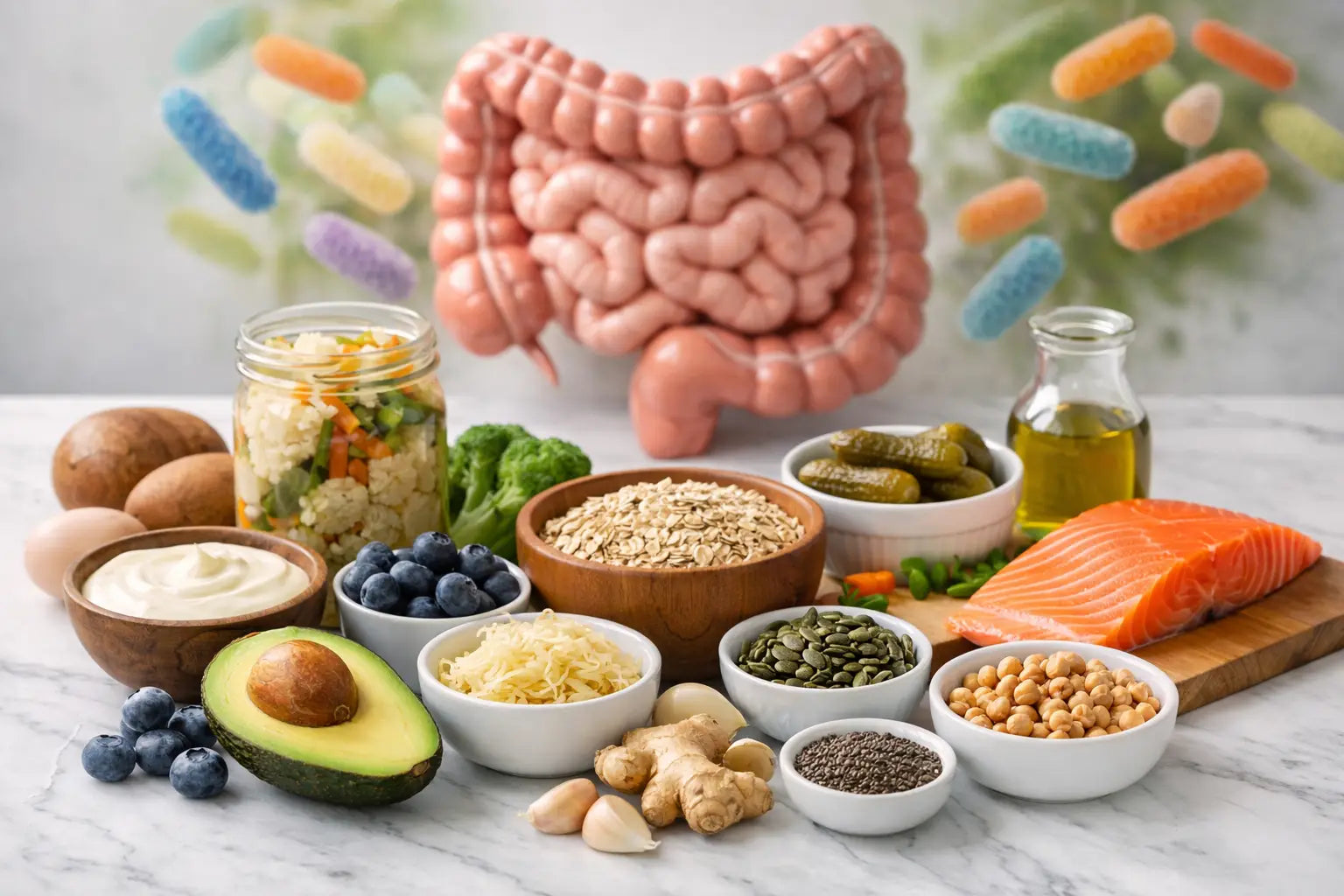
Discover healthy gut microbiome foods that help feed good bacteria, ease bloating, and support digestion, immunity, mood, and daily energy.
Leave a comment
All comments are moderated before being published.
This site is protected by hCaptcha and the hCaptcha Privacy Policy and Terms of Service apply.