


Your skin can tell on your gut faster than you think. When digestion feels off, your face often gets there first - dullness, irritation, puffiness, random breakouts, and that tired look no concealer really fixes. That is why the conversation around gut health and radiant, younger looking skin has moved way beyond wellness hype. The gut-skin connection is real, and it is one of the most interesting places where internal health shows up on the surface.
This is not about pretending your microbiome is a magic wand for every skin concern. Skin aging is influenced by genetics, hormones, sun exposure, sleep, stress, nutrition, and skincare. But your gut plays a bigger role than most people realize because it helps regulate inflammation, nutrient absorption, immune activity, and even parts of your stress response. When those systems are supported, your skin usually looks calmer, brighter, and more resilient.
Why gut health and radiant, younger looking skin are connected
Your gut is not just where food gets broken down. It is home to trillions of microbes that help shape how your body functions day to day. In fact, a large share of the immune system is tied to the gut, and that matters because many visible skin issues are connected to immune imbalance and chronic low-grade inflammation.
When the gut microbiome is in good shape, it helps maintain the intestinal barrier, supports regular digestion, and produces beneficial compounds that communicate with the rest of the body. When it is out of balance, things can get messier. You may absorb nutrients less efficiently, feel more bloated, and experience more inflammatory signaling. Skin often reacts to that internal stress.
Think of it this way: your complexion is not separate from the systems keeping you alive and energized. It is one of the clearest readouts of what is happening underneath. A strong skin barrier and healthy collagen turnover need the right internal environment, not just a better serum.
The inflammation piece is bigger than most people think
If you want skin that looks fresh instead of fatigued, inflammation is one of the main things to pay attention to. Not the dramatic kind you can always feel, but the quieter, chronic kind that can show up as redness, sensitivity, uneven tone, or skin that never quite looks settled.
Gut imbalance can contribute to that. A disrupted microbiome may affect how well your body manages inflammatory processes, and it may also influence the integrity of the gut lining. That does not mean every breakout comes from your intestines. It means your gut may be part of the bigger picture, especially if skin issues show up alongside bloating, irregularity, or food sensitivity patterns.
This is also why some people spend a fortune on skincare and still feel stuck. Topicals matter, but they work best when your internal environment is not constantly pushing against them.
Nutrients in, glow out
Radiant skin needs raw materials. Your body relies on nutrients like vitamin C, zinc, protein, essential fats, and antioxidants to support collagen production, repair, and barrier function. If digestion is sluggish or your gut is not absorbing nutrients efficiently, your skin may miss out.
That can look like dryness, slower recovery from breakouts, a less even tone, or skin that seems flatter than it used to. This is where gut support becomes practical, not trendy. Better digestive function can help your body make better use of what you are already eating.
There is a trade-off here, though. Gut support is not a substitute for an actually nourishing diet. A gummy, capsule, or powder cannot outwork a routine built on ultra-processed meals, high stress, and too little sleep. The real win comes from stacking smart habits so the gut has something solid to work with.
What the gut-skin axis means in real life
The phrase gut-skin axis sounds technical, but the idea is simple. Your gut and your skin are in constant conversation through immune pathways, inflammatory signals, hormones, and the nervous system. Stress can affect the gut. The gut can influence inflammation. Inflammation can show up on the skin. It is all connected.
That is why skin flare-ups are often not just skin-deep. If your digestion tanks when stress rises, your skin may also start acting different. If your routine leaves you constipated, bloated, and undernourished, your complexion may lose some of its spark. If your microbiome is supported, your skin may look more balanced because the systems underneath are less chaotic.
This connection is exciting, but it is not one-size-fits-all. Some people notice fewer breakouts when they improve gut health. Others notice less puffiness, better tone, or skin that looks more rested. The visible payoff depends on what was driving the issue in the first place.
Habits that support gut health and radiant, younger looking skin
Start with food quality and consistency. Your gut microbiome tends to do better with a variety of fiber-rich plant foods, enough protein, and less dependence on highly processed meals. Fiber helps feed beneficial bacteria, and a more diverse diet usually supports a more resilient microbiome.
Hydration matters more than people give it credit for. Skin dryness is not always a water issue, but digestion and regularity both benefit when hydration is solid. If your water intake is low and your diet is fiber-heavy, your gut may still feel sluggish.
Sleep is a major lever. Poor sleep can throw off stress hormones, appetite signals, and inflammatory balance. The result is often a double hit: digestion feels less predictable and skin looks less alive.
Stress management is not a soft suggestion here. The gut and brain are tightly linked, and stress can change digestion fast. If your stomach knots up during a rough week and your skin starts looking irritated at the same time, that is not random.
Then there is targeted supplementation. This is where many people get interested in microbiome support because food and lifestyle are foundational, but they are not always enough on their own. A broader approach can make sense, especially if you want support that goes beyond a basic probiotic.
Why a tribiotic approach makes sense
A lot of people know about probiotics. Fewer understand that prebiotics and postbiotics matter too. That is where the conversation gets more advanced and, honestly, more useful.
Prebiotics help feed beneficial bacteria. Probiotics add beneficial strains. Postbiotics are the beneficial compounds produced through microbial activity that can support gut barrier function and immune balance. Together, this tribiotic approach is more complete because it supports the ecosystem, not just one piece of it.
If your goal is better digestion with visible whole-body benefits, that broader support is worth paying attention to. The Gut Gummy™ built its approach around this idea with GG-360™, a full-spectrum tribiotic gummy designed to make microbiome support easier to stick with. And consistency matters, because the best wellness routine is the one you will actually do every day.
What results are realistic
If you support your gut, your skin may look clearer, calmer, brighter, or less puffy over time. You may also notice less bloating, more regular digestion, and a stronger sense that your body is working with you instead of against you. That is the upside.
But let us keep it honest. Gut support is not Botox. It will not erase deep wrinkles in two weeks or replace sunscreen, retinoids, or dermatologist care when those are needed. If your skin concerns are driven by hormones, rosacea, or significant acne, the gut may be one factor, not the whole answer.
Still, this is exactly why the gut-skin connection is worth taking seriously. It is not about chasing a miracle. It is about improving the internal conditions that help your skin function at its best.
How to tell if your gut may be affecting your skin
The pattern matters more than any single symptom. If you deal with persistent bloating, irregular bowel movements, food reactivity, or digestive discomfort and your skin also seems dull, reactive, or unpredictable, your gut may deserve more attention.
You might also notice that your complexion gets worse during high-stress periods, after stretches of poor eating, or when your digestion slows down. That does not prove cause and effect, but it is a strong clue that your skin is responding to more than surface-level factors.
A smart next step is to simplify and get consistent. Support your digestion, eat in a way that gives your microbiome something useful to work with, and give the process time. Skin usually reflects patterns, not one perfect day.
If you want a glow that looks real, not filtered, start where your biology starts. Your gut does not just influence how you feel after a meal. It may shape how bright, calm, and youthful your skin looks when you walk out the door with nothing on it.

By GG – your glam guide to gut health, dishing the microbiome gossip straight from the Upper Intestine
🗽✨
Read more
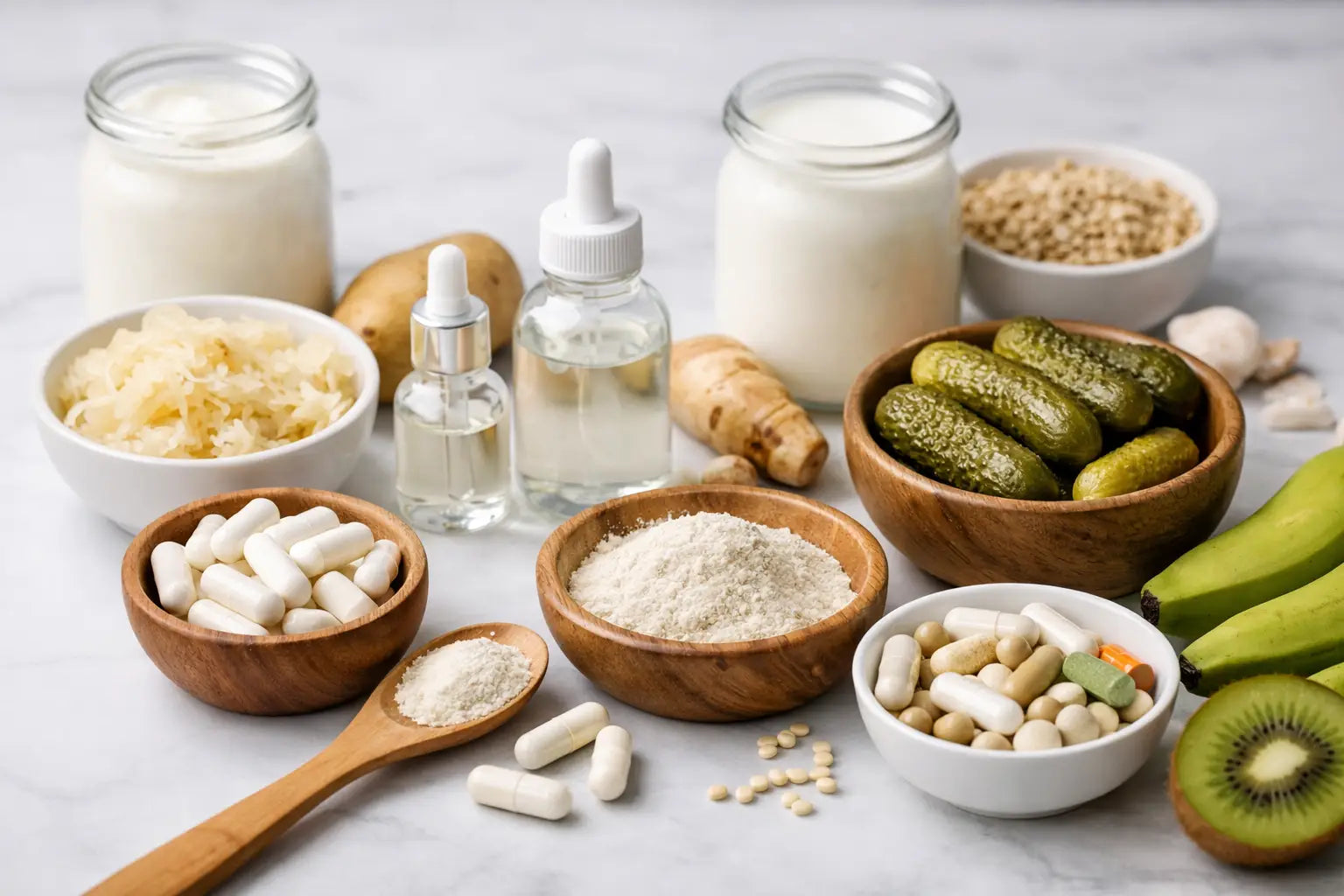
What is the best prebiotics and probiotics? Learn what actually matters - strains, fibers, format, and why the best choice depends on your gut.
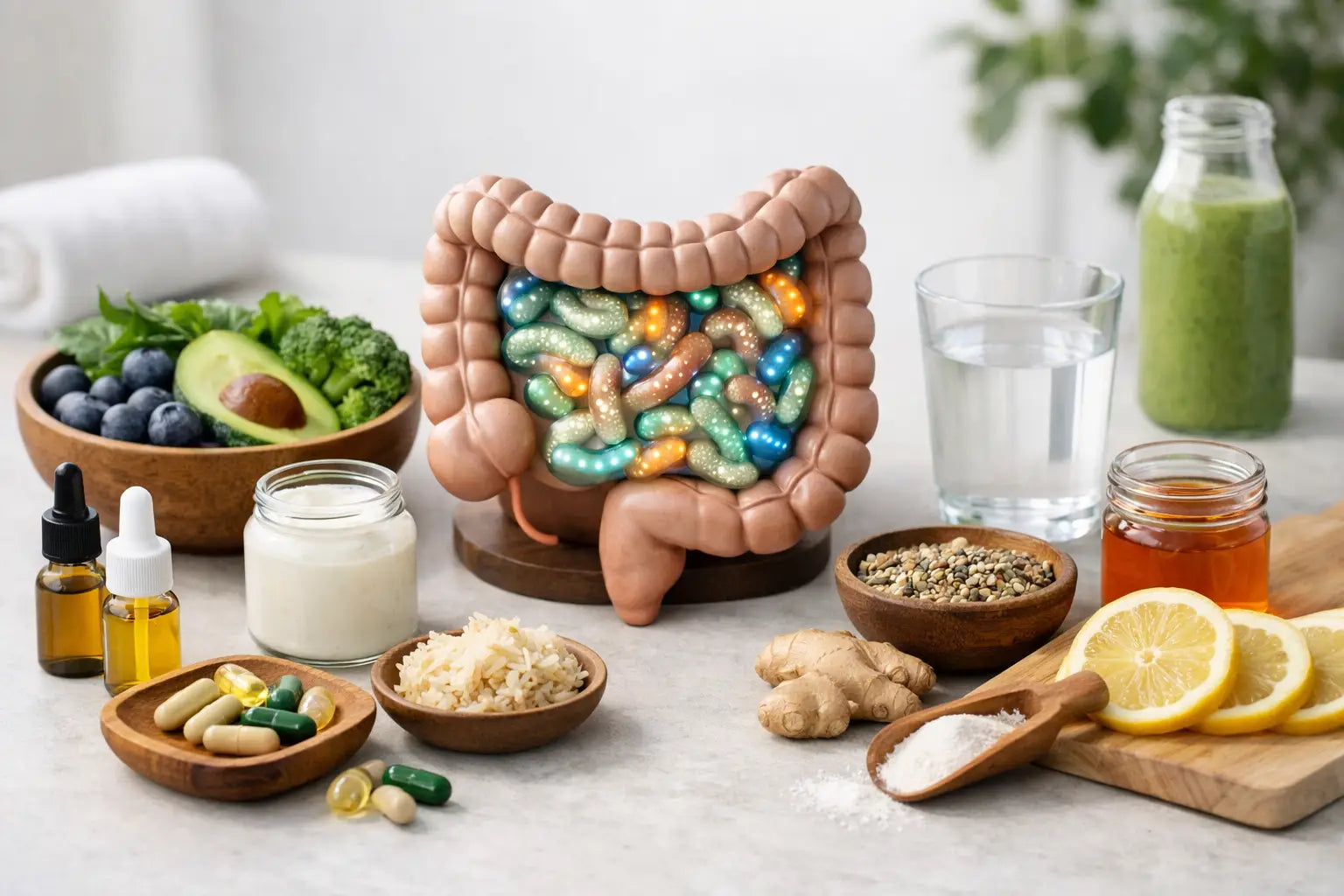
Learn practical ways to improve your gut microbiome with food, sleep, stress support, and smarter daily habits that benefit digestion and beyond.
Leave a comment
All comments are moderated before being published.
This site is protected by hCaptcha and the hCaptcha Privacy Policy and Terms of Service apply.