


That anxious, foggy, off-kilter feeling is not always “just in your head.” The gut health and mood connection is a two-way conversation happening all day between your digestive tract, your brain, your immune system, and the trillions of microbes living inside you. When that conversation gets noisy, your mood may feel it right alongside your digestion.
A bad day does not mean your microbiome is broken. But if bloating, irregularity, low energy, food cravings, stress, and a shorter fuse seem to travel together, your gut deserves a closer look. Your body is not a collection of unrelated systems. It is one connected ecosystem.
How the Gut Health and Mood Connection Works
Your gut and brain communicate through several overlapping pathways, often called the gut-brain axis. The vagus nerve sends signals between the brain and digestive system. Hormones and stress chemicals influence both systems. Your immune system responds to what is happening in the gut. Microbes also produce compounds that can affect the environment in which your brain and body operate.
This is why nerves can cause a “butterflies” feeling before a presentation. It is also why a stressful week can change your appetite, bathroom habits, and tolerance for foods that usually sit just fine. The connection is physical, not imaginary.
One headline-grabbing fact is that a large share of the body’s serotonin is produced in the gut. Serotonin is involved in mood, sleep, appetite, and digestion. That does not mean eating a certain food or taking a supplement instantly raises brain serotonin or treats depression. Brain chemistry is far more complex than that. It does mean your gut is an active player in the larger systems that shape how you feel.
Your resident microbes help break down dietary fibers and other compounds that your body cannot fully digest on its own. In the process, they can create short-chain fatty acids and other metabolites that support the gut barrier and help regulate immune activity. A well-supported gut environment gives your whole body a better foundation for resilience.
Stress Can Hit Your Gut First
Stress is not simply a mental event. When your nervous system senses pressure, it can change gut motility, blood flow, digestive secretions, appetite, and the balance of microbes in the digestive tract. For some people, that looks like constipation. For others, it is urgency, nausea, loose stools, or sudden bloating.
Then the loop can run in the other direction. Persistent digestive discomfort can make you more hyperaware of your body, more cautious around food, less social, and less rested. That is a lot for a nervous system to carry.
The goal is not to eliminate stress. That is not realistic, and frankly, not necessary. The goal is to give your body more recovery signals so it is not stuck in high alert from morning coffee to midnight scrolling. A calmer gut-brain axis is built through repeated, ordinary habits, not one perfect wellness day.
What Can Throw the System Off Balance?
Your microbiome changes constantly. Travel, illness, poor sleep, alcohol, medications, dietary shifts, and stress can all influence it. Antibiotics can be life-saving when they are needed, but they can also alter microbial diversity. This is one reason it can be useful to prioritize gut-supportive habits during and after a course of antibiotics, with guidance from your clinician when appropriate.
Diet matters, but not in the all-or-nothing way wellness culture sometimes suggests. A weekend of takeout does not erase your progress. On the other hand, a long stretch of ultra-processed foods, low fiber intake, irregular meals, and chronic stress may leave fewer resources for the microbes that thrive on variety.
Sleep belongs in this conversation too. Short or disrupted sleep can affect hunger hormones, stress response, food choices, and immune function. When you are exhausted, it is harder to cook, move your body, drink enough water, or pause before the third coffee. That does not make you undisciplined. It makes you human. Build the easiest next step, then repeat it.
Support Your Mood by Supporting Your Gut
Start with food diversity, not food fear. Different plant foods provide different fibers and phytonutrients, which can feed different beneficial microbes. Think beyond salads. Beans, oats, berries, apples, lentils, onions, garlic, whole grains, nuts, seeds, leafy greens, and cooked-and-cooled potatoes can all bring something useful to the table.
If your current fiber intake is low, increase it gradually. Going from almost no fiber to a mountain of raw vegetables overnight can lead to more gas and discomfort. Add one fiber-forward food at a time, drink water consistently, and give your digestion a chance to adapt.
Fermented foods can be a helpful addition for some people. Yogurt with live cultures, kefir, kimchi, sauerkraut, and miso offer different benefits depending on the food and the person. They are not mandatory, and they are not always comfortable for people with certain digestive sensitivities. Your body gets a vote.
Movement is another underrated gut-brain tool. A ten-minute walk after meals may support digestion and help create a clean mental break in the day. Strength training, cycling, yoga, dancing, or simply getting outside all count. The best exercise plan for your gut and mood is one you can actually do consistently without turning it into another stressor.
Finally, make room for a downshift ritual. It can be a screen-free meal, five slow breaths before eating, a short evening walk, or a consistent bedtime cue. Your digestive system does not need a spa soundtrack and a perfect life. It does benefit from regular signals that say, “You are safe enough to rest and digest.”
Where Prebiotics, Probiotics, and Postbiotics Fit
A standard probiotic may provide selected live microorganisms, but gut support does not begin and end there. The broader tribiotic approach combines prebiotics, probiotics, and postbiotics because each plays a different role.
Prebiotics are compounds that help nourish beneficial microbes already in your gut. Probiotics are live microbes delivered in specific strains and amounts. Postbiotics are beneficial compounds produced through microbial fermentation or derived from beneficial microbes. Together, they reflect a more complete view of the gut ecosystem rather than a one-note approach.
That does not mean every formula is right for every person. Ingredient choice, dose, product quality, consistency, diet, and your individual digestive needs all matter. Some people notice changes quickly, while others need several weeks of steady use and supportive habits before they can judge whether a routine is helping.
For people who do not want another powder scoop, capsule stack, or complicated protocol, a daily gummy can make consistency much easier. The Gut Gummy™ was designed around that reality, bringing a full-spectrum tribiotic approach into a simple daily ritual. Convenience is not a shortcut when it is what helps you show up every day.
Don’t Turn Gut Health Into Another Source of Pressure
There is a difference between supporting mood-related wellness and treating a mental health condition. Gut-focused habits can be a powerful part of your broader foundation, but they are not a replacement for therapy, medication, or professional care when those are needed.
Talk with a healthcare professional if you have severe or persistent digestive symptoms, blood in your stool, unexplained weight loss, ongoing pain, or a major change in bowel habits. Reach out for mental health support right away if you are experiencing persistent hopelessness, panic, or thoughts of harming yourself. Getting help is a health move, not a failure of self-care.
The most useful version of gut health is not restrictive, expensive, or obsessive. It is practical. Eat more variety when you can. Sleep a little more consistently. Move your body. Find a gut routine you will stick with. Your microbiome responds to patterns, and a steadier pattern can create more room for you to feel like yourself again.
By GG – your glam guide to gut health, dishing the microbiome gossip straight from the Upper Intestine
🗽✨
Read more
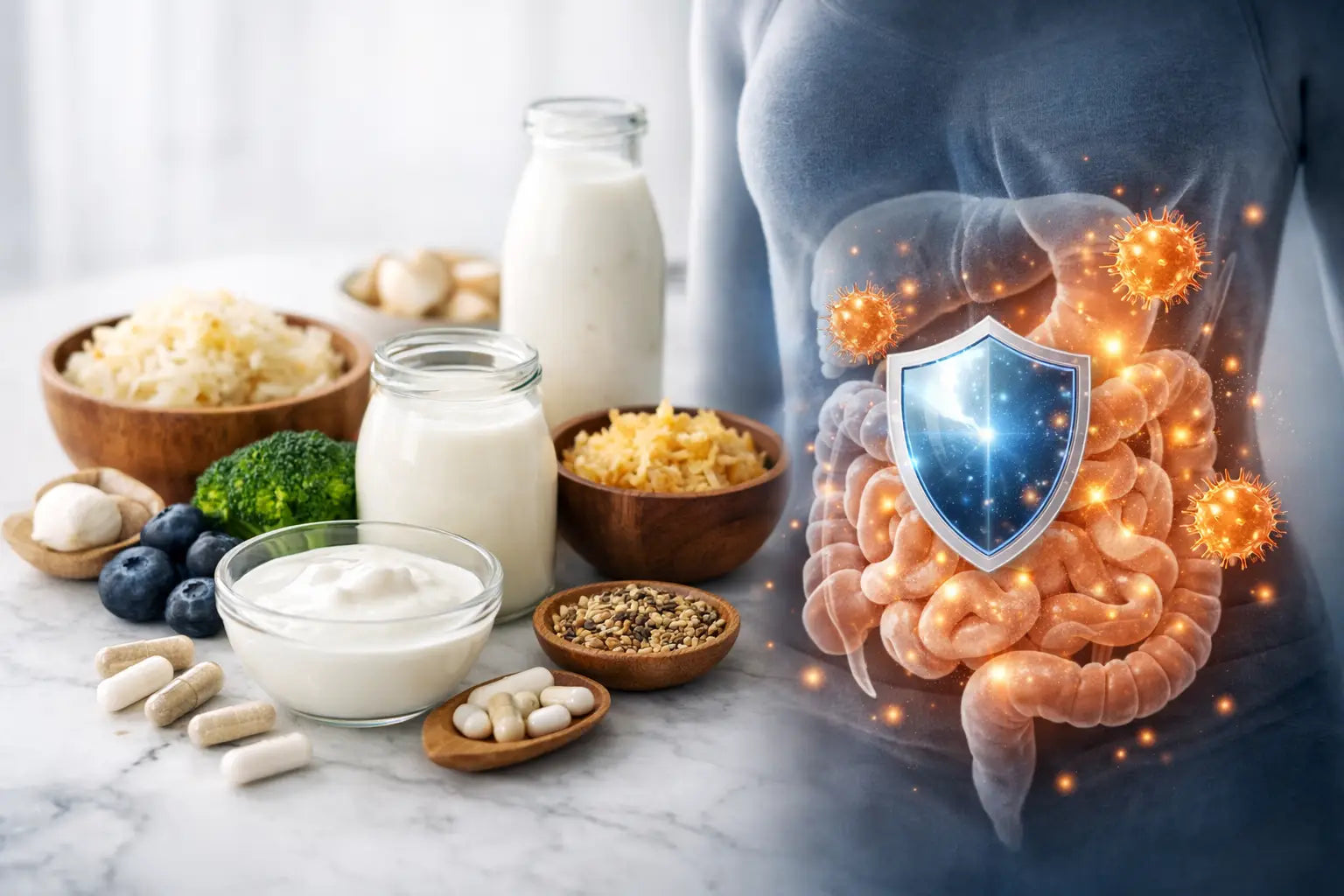
Gut health for immunity starts with your microbiome. Learn how food, sleep, stress, and tribiotic support help defenses work every day. Feel stronger now.

Looking for the best gummies for bloating? Learn which ingredients may support digestion, what to avoid, and how to choose a smarter daily gummy routine.
Leave a comment
All comments are moderated before being published.
This site is protected by hCaptcha and the hCaptcha Privacy Policy and Terms of Service apply.