

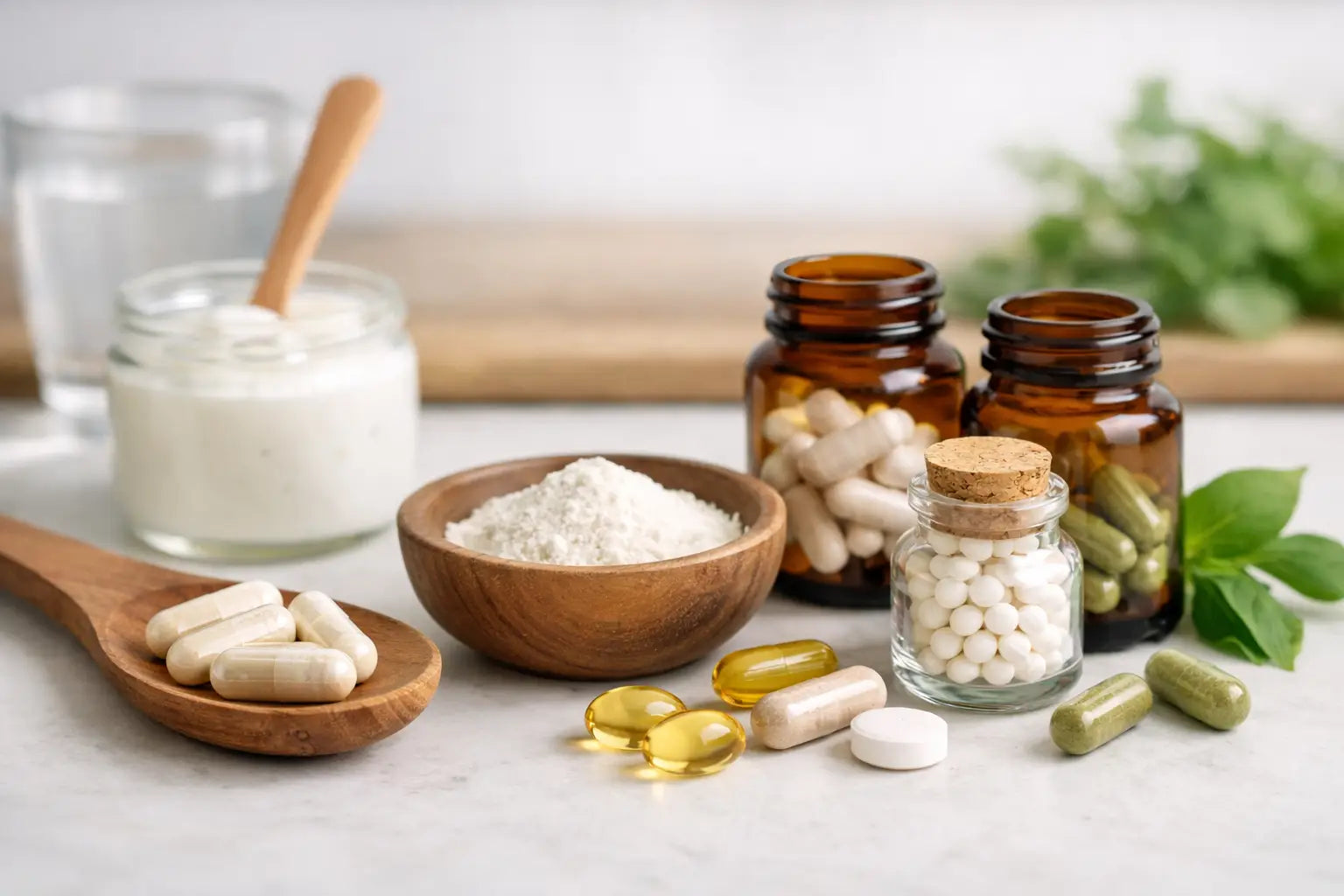
Antibiotics can be exactly what your body needs - and still leave your gut feeling like it missed the memo. Maybe you finished your prescription, but bloating, irregular bathroom trips, low appetite, or that vaguely “off” feeling stuck around. That is where the best supplements after antibiotics can be useful: not as a magic reset button, but as targeted support while your gut ecosystem finds its footing again.
Antibiotics are designed to reduce harmful bacteria causing an infection. The catch is that they can also affect helpful microbes in the gut. Your microbiome is a busy internal community involved in digestion, immune signaling, nutrient metabolism, and even the gut-brain connection. After a course of antibiotics, rebuilding supportive habits matters as much as picking the right supplement.
Why Your Gut Can Feel Different After Antibiotics
Not every antibiotic course causes noticeable digestive changes. The medication type, dose, length of treatment, your diet, and your baseline gut health all play a role. Some people bounce back quickly. Others deal with temporary loose stools, constipation, gas, or food sensitivity for weeks.
The goal is not to “detox” antibiotics. Antibiotics are not toxins, and if a clinician prescribed them, finishing the course as directed matters. The goal is to support the conditions that beneficial microbes need to return and do their jobs.
A smart post-antibiotic plan is usually less about taking a cabinet full of pills and more about choosing a few evidence-informed tools. Here are the supplements worth considering.
1. A Targeted Probiotic
A probiotic is the first supplement most people think of after antibiotics, and for good reason. Probiotics contain live microorganisms that may help support digestive balance, particularly when antibiotic-associated diarrhea is a concern.
The strain matters more than a flashy label or an enormous CFU number. Research has often focused on specific options such as Lactobacillus rhamnosus GG and Saccharomyces boulardii. They are not interchangeable with every probiotic on the shelf, and a higher dose does not automatically mean a better result.
If you are still taking antibiotics, ask your pharmacist or clinician whether a probiotic makes sense for you and how to time it. In many cases, taking a bacterial probiotic a few hours away from the antibiotic is preferred. S. boulardii is a beneficial yeast, so antibiotics do not target it in the same way, but personalized guidance still wins.
Continue a probiotic for a few weeks after finishing antibiotics if it agrees with you. If it ramps up bloating or discomfort, pause. More is not always better when your gut feels tender.
Who should be extra careful?
People who are severely immunocompromised, critically ill, have central venous catheters, or have complex medical conditions should not start probiotics casually. Get clinical guidance first. Supplements are powerful enough to deserve common sense.
2. Prebiotic Fiber - Start Low and Go Slow
Probiotics bring in helpful organisms. Prebiotics feed the helpful microbes already living in your gut. That makes prebiotic fiber a big player in a gut-rebuild strategy.
Prebiotics include fibers such as inulin, fructooligosaccharides, galactooligosaccharides, and partially hydrolyzed guar gum. As gut microbes ferment certain fibers, they produce short-chain fatty acids, including butyrate, which helps support the intestinal lining and a balanced gut environment.
There is one very real trade-off: prebiotic fiber can cause gas and bloating, especially right after antibiotics or for people with IBS. This is not a sign that you need to push through a giant scoop. It is a sign to lower the dose.
Start with a small amount, perhaps a fraction of the product’s serving, and give your body several days before increasing. Partially hydrolyzed guar gum is often well tolerated, but individual response rules. You can also build prebiotics through food with oats, beans, lentils, bananas, onions, garlic, and cooked-and-cooled potatoes or rice.
3. Postbiotics for Gentle Microbiome Support
Postbiotics are one of the most interesting next-generation tools in gut wellness. Instead of adding live bacteria, postbiotics provide beneficial compounds made by microbes or inactivated microbial cells that can interact with the gut and immune system.
Why does that matter after antibiotics? A postbiotic may offer supportive benefits without relying on live organisms surviving storage, stomach acid, and transit through the digestive tract. They can also be a practical option for people who find traditional probiotics unpredictable.
The science is developing quickly, but the category is not a free pass for vague marketing. Look for a product that clearly identifies its postbiotic ingredient and does not promise to cure digestive disease. A thoughtful tribiotic formula that combines prebiotics, probiotics, and postbiotics can be a convenient way to cover more than one angle without turning your routine into a science experiment.
That full-spectrum approach is the idea behind The Gut Gummy™ GG-360™: making the prebiotic-probiotic-postbiotic connection easier to use consistently. The best format is ultimately the one you will actually take every day.
4. Saccharomyces boulardii for Antibiotic-Related Diarrhea
This one earns a separate callout because it is different from standard bacterial probiotics. Saccharomyces boulardii is a probiotic yeast that has been studied for helping reduce the risk of antibiotic-associated diarrhea in some people.
It may be especially worth discussing with a healthcare professional if loose stools are your main concern. But do not self-treat severe symptoms. Watery diarrhea that is persistent, bloody, paired with fever, or accompanied by strong abdominal pain needs prompt medical attention. So does diarrhea that begins during or after antibiotics and will not ease up.
A supplement can support a recovery plan. It should never delay care for a possible infection or complication.
5. Psyllium Husk for More Predictable Digestion
Psyllium is not the trendiest gut supplement, but it is one of the most practical. This soluble, gel-forming fiber can help add bulk when stools are loose and support regularity when things have slowed down.
That dual action is why psyllium is often useful when your post-antibiotic bathroom routine has become unpredictable. It also supports fiber intake, which many adults fall short on even without a recent antibiotic course.
Start with a small serving and drink enough water. Taking a large amount with too little fluid is a bad bargain. Psyllium can also affect how some medications are absorbed, so separate it from prescriptions and check with a pharmacist if you take daily medication.
What About Digestive Enzymes, Glutamine, and Zinc?
These supplements are often promoted as gut-repair essentials. The honest answer: it depends.
Digestive enzymes can be useful for a diagnosed enzyme deficiency or specific food-related symptoms, but they are not a universal microbiome rebuild tool. L-glutamine has a role in clinical nutrition settings, yet the evidence does not make it a must-have for every healthy adult after antibiotics. Zinc supports immune function, but high-dose zinc can cause nausea and create other nutrient imbalances when used for too long.
If your budget is limited, prioritize a targeted probiotic or tribiotic approach, fiber you can tolerate, and real food. The basics usually beat a complicated stack.
How to Choose the Best Supplements After Antibiotics
Skip products that promise a total “gut reset” in 24 hours. Your microbiome is adaptive, but it is not an app that reloads overnight. Look for clear ingredient labels, named strains when choosing a probiotic, an appropriate dose, and a format you can use consistently.
Also consider your main symptom. If diarrhea is the issue, S. boulardii or a researched bacterial probiotic may be the conversation to have. If constipation or irregularity is the bigger problem, psyllium and gradual prebiotic fiber may be more relevant. If your gut is simply feeling less resilient, a well-designed tribiotic can be a streamlined daily option.
Your Food Habits Still Do the Heavy Lifting
Supplements work best when your plate gives gut microbes something worthwhile to work with. Aim for variety rather than perfection. Plant foods deliver different fibers and polyphenols, which means different fuel sources for your microbial community.
For the first week or two after antibiotics, keep meals simple if your stomach is sensitive: cooked vegetables, fruit, oats, yogurt or kefir if you tolerate dairy, beans in manageable portions, and plenty of fluids. Fermented foods can be a welcome addition for some people, but they may aggravate symptoms in others. Listen to your body instead of forcing the internet’s favorite wellness ritual.
Sleep and stress matter here, too. A rushed, under-slept body rarely has great digestion. You do not need a perfect routine. You need enough consistency for your gut to get the message that it is safe to settle.
If symptoms are worsening, persist beyond a couple of weeks, or include fever, dehydration, blood in stool, severe pain, or unexplained weight loss, call a healthcare professional. For everyone else, think steady, not extreme: choose supportive supplements, feed your microbes patiently, and let small daily habits do their quietly powerful work.

By GG – your glam guide to gut health, dishing the microbiome gossip straight from the Upper Intestine
🗽✨
Read more
Can probiotics for bloating help you feel lighter? Learn which strains matter, why symptoms can briefly spike, and how to choose a smarter daily routine.

Our gut health gummies review explains what a tribiotic gummy should contain, how to judge the science, and who may benefit from a daily routine, too.
Leave a comment
All comments are moderated before being published.
This site is protected by hCaptcha and the hCaptcha Privacy Policy and Terms of Service apply.