


That post-meal bloat, unpredictable bathroom schedule, or run-down feeling is not always about one “bad” food. Often, it is a cue to look at the bigger ecosystem in your gut. Learning how to support gut barrier health means giving your digestive tract the daily conditions it needs to do its job: let nutrients in, keep unwanted substances out, and communicate clearly with your immune system.
Your gut barrier is not a trendy wellness buzzword. It is a hardworking, living system. And unlike a dramatic cleanse or a 30-day food rulebook, supporting it usually comes down to small, repeatable habits.
What your gut barrier actually does
Your gut barrier is the protective boundary lining your intestinal tract. It includes a layer of mucus, intestinal cells joined tightly together, immune cells, and trillions of microbes that help maintain the neighborhood. Picture it less like a brick wall and more like a selective security team: nutrients get cleared through, while potential troublemakers are kept under control.
When this system is well supported, digestion tends to feel more predictable. Your microbiome has the raw materials it needs to make beneficial compounds, including short-chain fatty acids that help nourish cells in the colon. Your immune system can also respond appropriately instead of staying unnecessarily on high alert.
There is a lot of online talk about “leaky gut,” often presented as the explanation for every symptom under the sun. Reality is more nuanced. Increased intestinal permeability is a measurable biological process, but it is not a standalone diagnosis you can self-confirm from a social media checklist. Bloating, fatigue, skin changes, and irregular digestion can have many causes. The goal is not to panic about your gut. It is to build habits that support its normal protective function.
How to support gut barrier health with your plate
The microbes in your gut are always eating, too. What you eat shapes which populations get the resources to grow and what compounds they produce in return. A gut-friendly plate does not need to be perfect, expensive, or made entirely of foods you have never heard of.
Feed your microbes a wider range of plants
Dietary fiber is one of the most practical ways to support a healthy microbiome. Different plant foods contain different types of fibers and plant compounds, so variety matters as much as sheer volume.
Build more range across your week with foods like beans, oats, berries, apples, leafy greens, onions, garlic, nuts, seeds, lentils, sweet potatoes, and whole grains. You do not need to suddenly overhaul every meal. Add berries to breakfast, swap in beans a few times a week, or keep a bag of mixed vegetables in the freezer for low-effort dinners.
If you currently eat very little fiber, go slowly. A massive jump can create more gas and discomfort before your system adapts. Increase portions gradually, drink enough fluids, and pay attention to how your body responds. More is not always better overnight.
Make room for colorful plant compounds
Polyphenols are natural compounds found in deeply colored plants, cocoa, coffee, tea, herbs, and extra-virgin olive oil. Your gut microbes can transform many of these compounds into metabolites that may support the gut environment and overall health.
This is good news for anyone who wants wellness to feel less like homework. A handful of blueberries, a cup of tea, or olive oil over roasted vegetables can be part of your gut-support strategy. Aim for consistency, not a perfect superfood scorecard.
Choose fermented foods based on tolerance
Yogurt with live cultures, kefir, kimchi, sauerkraut, and miso can introduce beneficial microbes or fermentation byproducts into the diet. For some people, they are a helpful addition. For others, especially those sensitive to histamine-rich foods or dealing with certain digestive conditions, they may not feel great.
Start with a small serving and treat your response as useful information. There is no prize for forcing down kombucha if it leaves you feeling worse. You can support your gut in plenty of other ways.
Your daily habits matter as much as your grocery cart
Your intestinal tract responds to your whole lifestyle. That includes how you sleep, move, recover, and handle pressure when life gets loud.
Protect your sleep window
Poor or inconsistent sleep can influence the microbiome, appetite signals, stress hormones, and immune activity. You do not need a flawless eight-hour sleep streak to make a difference. Start by setting a more consistent wake time, dimming screens before bed, and creating a wind-down routine you can actually keep.
A better sleep rhythm supports the kind of internal stability your gut loves. Your body repairs and regulates while you rest. Give it the chance.
Move, but do not punish yourself
Regular movement supports digestion, circulation, stress resilience, and metabolic health. A walk after a meal is simple, accessible, and often more realistic than an intense workout plan. Strength training, cycling, yoga, and dancing all count, too.
The trade-off is recovery. Extremely demanding training without adequate food, hydration, or rest can add physical stress. If your digestion takes a hit during a hard training phase, look at the full picture instead of assuming you need a harsher nutrition plan.
Lower the volume on chronic stress
Your gut and brain are in constant conversation. That is why stress can show up as a clenched stomach, urgency, constipation, or a sudden change in appetite. Stress is not something you can eliminate, but you can create regular moments that tell your nervous system it is safe to downshift.
Try five minutes of slow breathing, a phone-free walk, journaling, a stretch session, or simply eating one meal without multitasking. Tiny practices done often beat a once-a-month wellness reset.
Common gut barrier disruptors to watch
No one has to live a joyless, ultra-controlled life to support gut health. But patterns matter. Frequent heavy alcohol intake, a highly processed low-fiber diet, chronic sleep loss, and unmanaged stress can work against the environment your gut barrier needs.
Some medications can affect the digestive tract as well. Nonsteroidal anti-inflammatory drugs, such as ibuprofen or naproxen, may irritate the gastrointestinal lining when used frequently or at high doses. That does not mean you should stop prescribed or needed medication. It means it is smart to use medications as directed and discuss regular use with a healthcare professional.
Aggressive cleanses and unnecessary elimination diets can also backfire. Cutting out dozens of foods may shrink dietary variety, make eating stressful, and fail to identify the real issue. Unless you have a diagnosed allergy, celiac disease, or a clinician-guided reason to restrict foods, think addition before subtraction.
Where a tribiotic fits in
Food and lifestyle are the foundation, but a thoughtfully formulated supplement can make daily microbiome support easier. A tribiotic combines prebiotics, probiotics, and postbiotics: fuel for beneficial microbes, live strains, and helpful compounds produced through microbial activity.
That three-part approach is designed to support the ecosystem, not just add one more strain to the mix. The Gut Gummy™ GG-360™ puts that concept into a simple daily gummy format for people who want a convenient gut-health habit without juggling powders and capsules.
Still, supplements are not a free pass around the basics. They work best alongside plant diversity, adequate sleep, regular movement, and stress support. If you are pregnant, immunocompromised, have a digestive condition, or take medications, check with your clinician before starting a new supplement.
Know when to get medical support
A wellness routine is not a substitute for medical care. Talk with a healthcare professional if you have blood in your stool, unexplained weight loss, severe or persistent abdominal pain, ongoing diarrhea, vomiting, fever, black stools, or symptoms that repeatedly disrupt your life.
You also deserve support if your digestion has changed and you cannot figure out why. The best next step may be testing, treatment, or personalized nutrition guidance, not another internet trend.
Your gut barrier is built in the ordinary moments: the fiber-rich lunch, the extra glass of water, the walk after dinner, the earlier bedtime, and the habit you can repeat tomorrow. Start with one move that feels easy enough to keep. Your microbiome notices the pattern.

By GG – your glam guide to gut health, dishing the microbiome gossip straight from the Upper Intestine
🗽✨
Read more

Learn how to diversify gut bacteria with food, movement, and smarter daily habits that help support digestion, immunity, and a resilient microbiome.
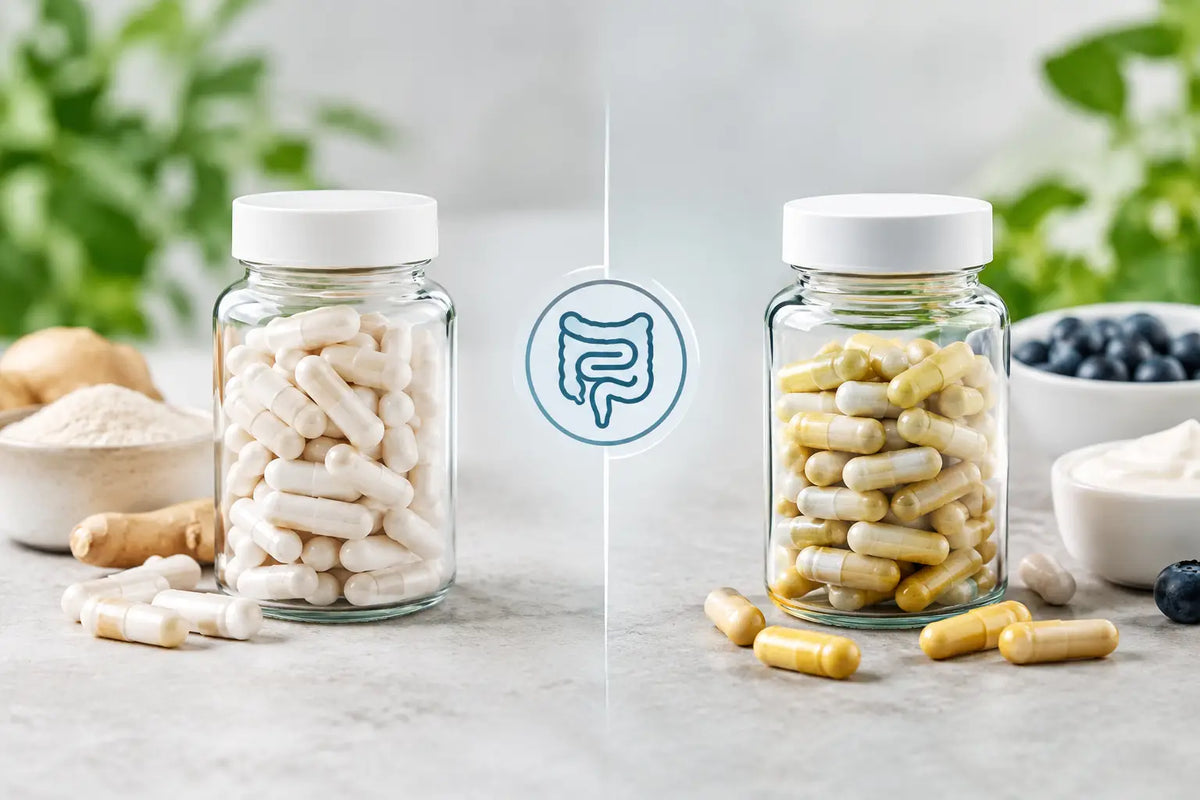
Tribiotics versus synbiotics: see how prebiotics, probiotics, and postbiotics work together and choose a smarter daily gut health supplement today.
Leave a comment
All comments are moderated before being published.
This site is protected by hCaptcha and the hCaptcha Privacy Policy and Terms of Service apply.