

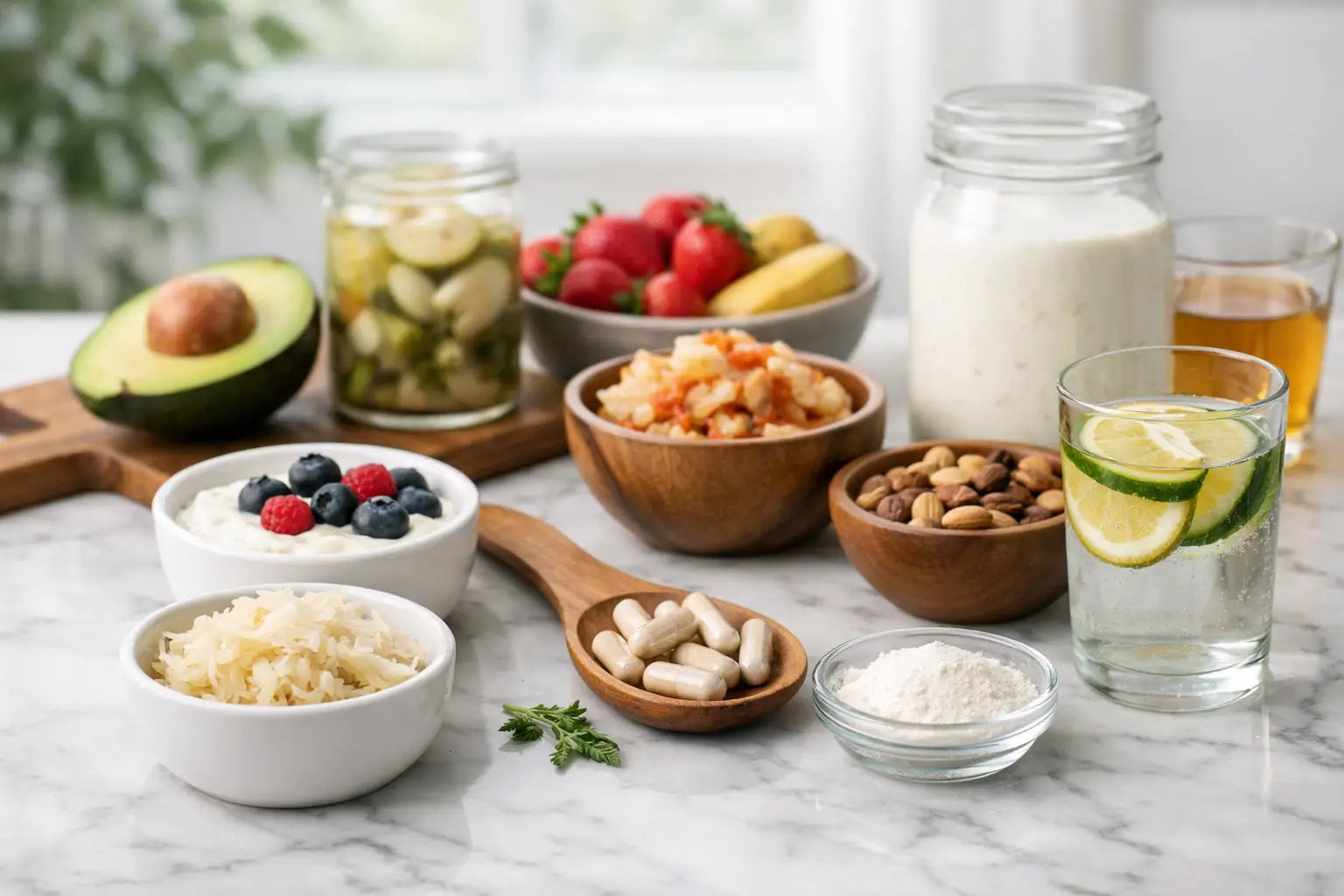
That "my stomach is off" feeling is rarely random. A course of antibiotics, a stressful month, a stretch of takeout, travel, poor sleep, or a stomach bug can all change the neighborhood of microbes living in your digestive tract. If you are wondering how to rebuild gut flora, the goal is not a harsh reset. It is to give the beneficial microbes already working for you the conditions they need to grow, communicate, and do their jobs.
Your gut flora, more accurately called the gut microbiota, helps break down parts of food you cannot digest on your own. Those microbes also produce compounds that support the gut barrier and interact with immune and metabolic systems. The science is still evolving, but one thing is clear: consistency beats any one-day detox every time.
How to Rebuild Gut Flora: Start With Their Favorite Fuel
Most beneficial gut microbes thrive on dietary fiber, especially the types that reach the large intestine instead of getting completely digested earlier. There, microbes ferment fiber and make short-chain fatty acids, including butyrate, which helps fuel cells lining the colon.
The practical move is simple: eat more plants, but do not turn this into a kitchen renovation project. Aim to add one new fiber-rich food at a time. Beans, lentils, oats, chia seeds, apples, berries, leafy greens, onions, garlic, asparagus, whole grains, and slightly green bananas all bring different types of fiber to the table.
Variety matters because different microbes prefer different fibers. You do not need to chase a perfect number of plant foods each week, but rotating your produce, legumes, grains, nuts, and seeds gives your microbiome more to work with than eating the same salad on repeat.
There is one catch: moving from low fiber to high fiber overnight can lead to gas, cramping, or bloating. That does not automatically mean fiber is bad for you. It often means your gut needs time to adapt. Increase portions gradually, drink enough water, and pay attention to which foods feel best. If symptoms are intense, persistent, or new, talk with a qualified healthcare professional instead of trying to power through.
Bring in Fermented Foods, If They Work for You
Fermented foods can introduce live microorganisms and fermentation byproducts that may support a more diverse gut environment. Yogurt with live active cultures, kefir, kimchi, sauerkraut, miso, tempeh, and certain fermented pickles are familiar options.
The key phrase is “if they work for you.” Fermented foods can be great, but they are not mandatory, and they are not universally comfortable for every gut. Some people find that high-histamine foods, spicy kimchi, dairy-based kefir, or large servings of sauerkraut make symptoms worse. Start small - a few forkfuls or a half serving - and see how your body responds.
Also, do not confuse every jar on the grocery shelf with a live-culture food. Shelf-stable, vinegar-brined pickles may be delicious, but they are not necessarily fermented with active cultures. Read labels, then keep the bigger picture in view: a yogurt habit cannot outrun an otherwise fiber-free diet.
Think Beyond Probiotics: The Tribiotic Advantage
A standard probiotic adds specific live microorganisms. That can be useful, particularly when a product contains strains studied for a particular purpose. But rebuilding a healthy gut ecosystem is broader than adding a few new visitors. You also need food for beneficial microbes and useful compounds created through microbial activity.
That is where a tribiotic approach comes in. It combines prebiotics, probiotics, and postbiotics. Prebiotics help nourish beneficial microbes. Probiotics provide live organisms. Postbiotics are beneficial compounds or inactive microbial components that can still interact with the body. Think of it as supporting the ecosystem, not just introducing new tenants.
A daily formula such as GG-360™ by The Gut Gummy™ can fit that strategy for people who want a convenient, all-in-one habit alongside food-first changes. It is not a substitute for fiber-rich meals, sleep, or medical care. It is a tool that can make your routine more complete and easier to stick with.
When choosing any gut supplement, avoid getting hypnotized by the biggest CFU number on the label. More is not automatically better. Look for transparent ingredients, strain or ingredient details where relevant, storage guidance, and a use case that matches your goals. If you are pregnant, immunocompromised, managing a chronic condition, or taking medications, check with your clinician before starting a new supplement.
Stop Doing the Things That Keep Your Gut in Survival Mode
You do not need to eat perfectly to support your microbiome. You do need to notice the repeat offenders that crowd out the basics. Diets built mostly around ultra-processed foods tend to be low in diverse fibers. Heavy alcohol intake can irritate the gut. Smoking, chronic sleep loss, and nonstop stress can influence digestion and the gut-brain connection.
The answer is not fear. It is replacement. Add a real breakfast before trying to eliminate every snack. Keep fruit, roasted chickpeas, trail mix, or yogurt within reach so the 3 p.m. choice is easier. Cook one extra portion of dinner for tomorrow's lunch. Small environmental changes create habits that will outlast motivation.
Antibiotics deserve a special mention. They can be lifesaving and absolutely necessary when prescribed for a bacterial infection. They can also affect a wide range of gut microbes. Never skip or stop an antibiotic without medical guidance, and do not take one for a viral illness just because you want to feel better faster. Once treatment is complete, a gradual return to fiber diversity, regular meals, and clinician-approved support can help your gut regain its footing.
Your Daily Rhythm Matters More Than You Think
Your gut is not an isolated tube. It responds to your sleep, movement, stress level, and meal patterns. A rough night of sleep can make digestion feel louder the next day. High stress can alter motility, which is why some people get constipated while others run to the bathroom before a big presentation.
You do not need a three-hour wellness routine. A 10-minute walk after a meal can support movement and blood sugar regulation. A consistent bedtime can help your body settle into a more predictable rhythm. Taking a few slow breaths before eating can shift you out of rush mode, which may make meals feel better than eating while answering emails.
Hydration helps too, especially as you increase fiber. Water does not “flush toxins” out of your gut, but adequate fluids can help fiber do its job and support regular bowel movements. Your needs vary with activity, climate, food intake, and health conditions, so use thirst and urine color as practical clues rather than forcing a one-size-fits-all gallon target.
Know What Progress Actually Looks Like
Rebuilding gut flora is not a 48-hour transformation. Some people notice changes in regularity or bloating within a couple of weeks after making consistent shifts. For others, especially after illness, antibiotics, or long-standing digestive issues, the process can take longer. Your baseline, food tolerance, medications, and health history all matter.
Better gut support may look like more predictable bowel movements, less post-meal discomfort, improved tolerance for fiber-rich foods, or simply less mental energy spent worrying about your stomach. It may not mean never feeling bloated again. Bloating can have many causes, including constipation, food intolerances, menstrual-cycle changes, and conditions that need medical attention.
Seek care promptly for blood in stool, black stools, unexplained weight loss, persistent vomiting, severe abdominal pain, fever, dehydration, or a significant new change in bowel habits. Those are not signals to solve with another greens powder or a social-media cleanse.
The most powerful gut-health routine is often pleasantly unglamorous: a wider range of plants, a little more fiber than last week, smart support when it fits, and enough patience to let the ecosystem respond. Give your microbes a better menu and a steadier rhythm, then let the small daily choices do their quiet, very real work.

By GG – your glam guide to gut health, dishing the microbiome gossip straight from the Upper Intestine
🗽✨
Read more

Our gut health gummies review explains what a tribiotic gummy should contain, how to judge the science, and who may benefit from a daily routine, too.
Probiotic safety starts with the right strain, dose, and context. Learn who can take probiotics, who should pause, and how to choose a quality formula.
Leave a comment
All comments are moderated before being published.
This site is protected by hCaptcha and the hCaptcha Privacy Policy and Terms of Service apply.