

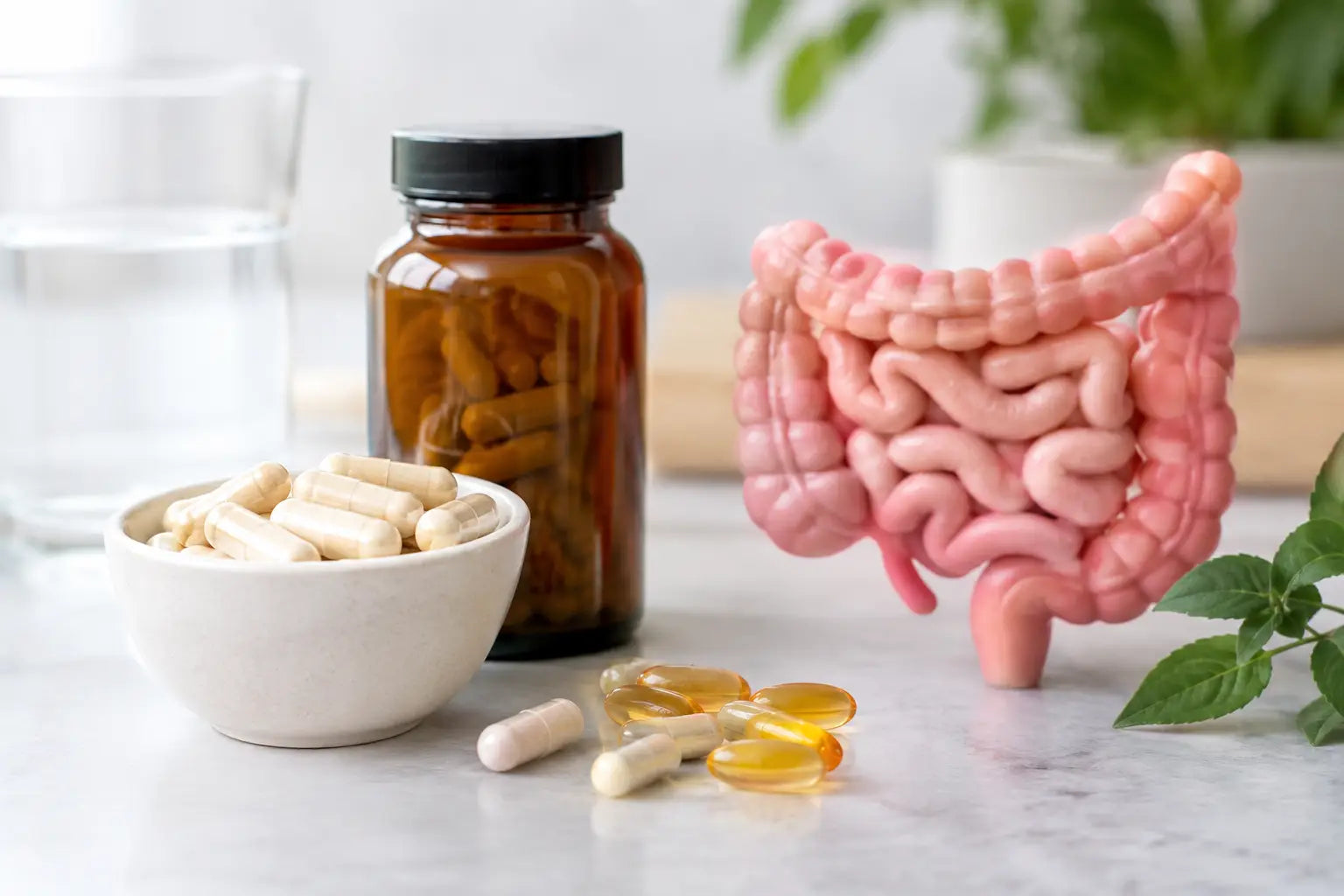
Your gut lining has a harder job than most people realize. It needs to let nutrients through, keep potential irritants out, communicate with your immune system, and coexist with trillions of microbes. When digestion feels off, the search for the best supplements for gut lining support is understandable. But the strongest answer is not one miracle powder. It is choosing the right support for your symptoms, your diet, and your microbiome.
The gut lining is not a wall you can simply “seal.” It is a living, selective barrier made of intestinal cells, mucus, immune tissue, and tight junction proteins. Your food, stress load, sleep, medications, alcohol intake, and microbial diversity all influence how well that barrier functions. A supplement can be useful, but it works best when it supports the biology already happening in your gut.
What Gut Lining Support Actually Means
A healthy intestinal barrier helps your body absorb what it needs while regulating what passes from the digestive tract into circulation. It also relies on the mucus layer and the community of microbes that produce beneficial compounds such as short-chain fatty acids.
That is why “gut lining support” is bigger than taking a probiotic. Some ingredients help feed beneficial bacteria. Others may support the cells that line the intestine or influence inflammation and immune signaling. The best choice depends on whether your biggest issue is occasional bloating, irregularity, food-related discomfort, or a gut that feels generally reactive.
Be wary of any supplement promising to “heal leaky gut” overnight. Increased intestinal permeability is a real area of medical research, but it is not a self-diagnosis. Persistent digestive symptoms deserve a real conversation with a healthcare professional, especially if you have weight loss, blood in stool, fever, anemia, severe pain, vomiting, or nighttime diarrhea.
Best Supplements for Gut Lining Support
1. Prebiotics: Fuel for the Microbes That Feed Your Barrier
Prebiotics are fibers and compounds that beneficial gut microbes use as fuel. When certain microbes ferment these fibers, they create short-chain fatty acids, including butyrate. Butyrate is especially interesting because colon cells use it for energy, making it a key player in a healthy intestinal environment.
Common prebiotic ingredients include inulin, fructooligosaccharides, galactooligosaccharides, and resistant starch. You can also get prebiotic support from foods such as oats, beans, slightly green bananas, onions, garlic, and cooled potatoes or rice.
The trade-off is simple: more fermentation can mean more gas at first. If you are prone to bloating or have a sensitive gut, start low and increase gradually. A prebiotic that is technically effective but leaves you painfully bloated is not the right dose for you right now.
2. Probiotics: Helpful, but Strain Matters
Probiotics are live microorganisms that can provide a benefit when consumed in adequate amounts. They are not all interchangeable. Different strains have been studied for different outcomes, including occasional diarrhea, constipation, antibiotic-associated digestive changes, and certain symptoms of irritable bowel syndrome.
For gut barrier support, several Lactobacillus and Bifidobacterium strains have been studied for their influence on the intestinal environment and immune activity. Still, a label that says “50 billion CFUs” is not automatically better. Species and strain identification, stability through the expiration date, and a benefit that matches your needs matter more than a giant number on the front of the bottle.
If you are severely immunocompromised, critically ill, or have a central venous catheter, ask your clinician before using live probiotics. For most healthy adults, the more common adjustment period is mild, temporary gas or changes in stool frequency.
3. Postbiotics: The Next-Generation Option
Postbiotics are beneficial compounds made by microbes, or inactivated microbial preparations that can still interact with the body. Think of them as useful outputs of microbiome activity without requiring the organisms to be alive when you take them.
This category is exciting because postbiotics may support gut-immune communication and barrier-related pathways while often being easier to formulate consistently than live bacteria. The science is moving quickly, but product quality still varies. Look for clear ingredient information and avoid vague “proprietary microbiome blend” language that tells you very little about what you are actually taking.
A tribiotic approach combines prebiotics, probiotics, and postbiotics rather than betting everything on one lane. That full-spectrum idea is the thinking behind GG-360™ from The Gut Gummy™: feed beneficial microbes, introduce selected live cultures, and include beneficial microbial compounds in one simple daily habit.
4. Zinc Carnosine: Targeted Support for the GI Tract
Zinc is involved in immune function and tissue maintenance. Zinc carnosine is a specific complex that has been studied for its interaction with the stomach and intestinal lining. It may be worth discussing with a clinician if your goal is focused gastrointestinal support, particularly when digestive irritation is part of the picture.
This is not a more-is-more ingredient. Excess zinc over time can interfere with copper balance and cause side effects. Check the amount of elemental zinc in the product, account for what is already in your multivitamin, and do not stack products casually.
5. L-Glutamine: Promising for Some, Not Universal
Glutamine is an amino acid used by rapidly dividing cells, including cells in the intestinal tract. Research suggests it may be useful in specific situations involving physical stress, illness, or certain treatment-related gut challenges. For generally healthy people with everyday bloating, the evidence is less clear-cut.
That does not make glutamine useless. It means the context matters. If you are considering it for ongoing digestive symptoms, work with a qualified clinician rather than assuming a large scoop is the answer. People with certain medical conditions should be especially cautious about adding individual amino acid supplements.
6. Omega-3s: More Indirect, Still Worth Considering
Omega-3 fatty acids are not a direct gut-lining supplement, but they may support a balanced inflammatory response and overall health. If you rarely eat fatty fish, an omega-3 supplement may make sense for broader wellness reasons. It belongs in the “supporting cast,” not at the top of a gut-barrier-specific plan.
High doses can interact with certain medications, including anticoagulants. As with every supplement, the right amount is personal.
How to Choose a Gut Supplement Without Guesswork
A crowded supplement aisle can make every product sound essential. Focus on the basics that signal a thoughtful formula:
- Clear ingredients and doses. You should be able to see what is included and why.
- Strain details for probiotics. A genus name alone is not enough when a product makes a specific claim.
- A realistic purpose. Choose support for a defined goal, not a product claiming to fix every health problem.
- A tolerable format. The best routine is the one you will actually take consistently, whether that is a gummy, capsule, powder, or food-first approach.
The Habits That Make Supplements Work Better
Supplements cannot outwork a diet built on ultra-processed foods, chronic under-eating, heavy alcohol use, or an all-or-nothing fiber strategy. Your microbiome thrives on variety. Aim to gradually include more plant foods across the week, drink enough water, move your body, and protect sleep when you can.
Fiber deserves a special mention. Jumping from very little fiber to a massive dose overnight can backfire with cramping and gas. Build slowly, particularly if you have a sensitive digestive system. A steady increase is usually more gut-friendly than a dramatic wellness reset on Monday morning.
Also consider the medication conversation. Antibiotics can be lifesaving, but they can affect gut microbes. Anti-inflammatory pain relievers, acid-suppressing medications, and other drugs can influence digestion too. Never stop a prescribed medication for a supplement, but do bring your full routine to your clinician or pharmacist.
Your gut is not asking for perfection. It is asking for repeated signals of support: diverse food, manageable stress, enough rest, and a supplement strategy that fits your biology rather than fighting it. Start with one evidence-informed change, give it a few weeks, and pay attention to the signals your body sends back.

By GG – your glam guide to gut health, dishing the microbiome gossip straight from the Upper Intestine
🗽✨
Read more

Synbiotic gummy reviews should look beyond taste. See how to assess strains, prebiotic fiber, dosing, tolerance, and daily convenience before buying.

Does fiber affect bowel movements? Learn how soluble and insoluble fiber shape stool, regularity, and comfort - and how to increase it without gut drama.
Leave a comment
All comments are moderated before being published.
This site is protected by hCaptcha and the hCaptcha Privacy Policy and Terms of Service apply.